Empowering App-Based Workers Act
Analysis under review: This bill has generated analysis that may be too generic or incomplete. Clause-level evidence remains available below.
Summary
What This Bill Does
The Empowering App-Based Workers Act regulates digital labor platforms (gig economy apps like Uber, Lyft, DoorDash, and Instacart) that use algorithms and electronic monitoring to manage workers. It requires these platforms to be transparent about how they use algorithms to set pay, assign work, and make decisions affecting workers. For ride-hail services specifically, the bill caps the amount platforms can take from each fare at 25%.
Who Benefits and How
App-based gig workers (ride-hail drivers, delivery workers, etc.) benefit substantially: they gain the right to see how algorithms determine their pay and work assignments, receive detailed breakdowns of their earnings, and are protected from retaliation for reporting violations. Workers cannot be paid different rates for similar work based on individual characteristics. Consumers benefit from transparency in pricing, receiving disclosures about how much of their payment goes to workers versus the platform. Labor organizations gain authority to receive disclosures on behalf of workers and can bring lawsuits for violations.
Who Bears the Burden and How
Digital labor platform companies (Uber, Lyft, DoorDash, Instacart, and similar) face significant new compliance requirements: they must disclose their algorithmic decision-making processes, provide detailed weekly and per-assignment pay breakdowns, submit quarterly reports to the Department of Labor, retain worker data for 4 years, and cannot charge take rates exceeding 25% for ride-hail services. They also cannot use arbitration agreements to prevent workers from suing. Third-party vendors providing technology to platforms share liability for data protection violations.
Key Provisions
- 25% cap on take rate for ride-hail services (the percentage platforms keep from each fare)
- Mandatory disclosure of how algorithms determine pay, work assignments, and worker evaluations
- Weekly and per-assignment itemized pay statements for workers
- Prohibition on using worker data to infer immigration status, political beliefs, or union activity
- Whistleblower protections with rebuttable presumption of retaliation
- Penalties up to $100,000 for willful violations plus private right of action for workers
- Predispute arbitration agreements and class action waivers are unenforceable
Evidence Chain:
This summary is generated from the full bill text using AI analysis. Expand "Detailed Analysis" below for identified beneficiaries/burden bearers with clause-level evidence links.
At a Glance
What This Bill Does
Regulates digital labor platforms (gig economy apps like Uber, DoorDash) by requiring transparency in algorithmic decision-making, capping platform take rates at 25%, and establishing worker protections for app-based workers.
Key Policy Areas
Labor, Technology, Consumer Protection, Transportation
Primary Purpose
Regulates digital labor platforms (gig economy apps like Uber, DoorDash) by requiring transparency in algorithmic decision-making, capping platform take rates at 25%, and establishing worker protections for app-based workers.
Policy Domains
Empowering App-Based Workers Act
Identified Gains
- App-based gig workers (ride-hail drivers, delivery workers)
- Labor organizations
- Consumers using platform services
- State and local governments enforcing labor laws
Identified Costs
- Digital labor platform companies (Uber, Lyft, DoorDash, Instacart)
- Third-party technology vendors serving platforms
- Platform shareholders and investors
Sponsors
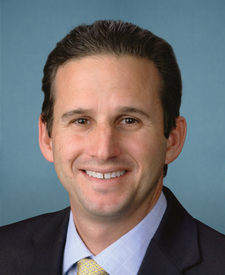




Legislative Progress
In CommitteeMr. Schatz (for himself, Mr. Murphy, and Ms. Baldwin) introduced …
Read twice and referred to the Committee on Health, Education, …
Introduced in Senate
Stakeholder Effects
cui bono?How this legislation distributes effects. Mention counts reflect frequency, not effect magnitude.
Digital labor platform companies, Digital labor platform companies (Uber, Lyft, DoorDash, Instacart), Ride-hail platform companies (Uber, Lyft)
Digital labor platform companies faces effects in multiple directions
App-based gig workers, App-based gig workers (drivers, delivery workers), App-based gig workers (ride-hail, delivery)
Department of Labor
Department of Labor faces effects in multiple directions
Labor organizations and worker centers, Labor organizations seeking to organize gig workers
Plaintiffs attorneys, Plaintiffs attorneys specializing in labor law
Third-party technology vendors serving platforms
Bill Structure & Actor Mappings
Who is "The Secretary" in each section?
- "the_secretary"
- → Secretary of Labor
Key Definitions
Terms defined in this bill
The percentage of the total amount a platform charges consumers for on-demand transportation services (excluding tips) that is not paid to the app-based worker
For on-demand services, all time an app-based worker is logged into the platform and available to perform services; for scheduled work, all time from reporting to work through completion of tasks
An action that a reasonable person would find negatively impacts an app-based worker's access to or terms of work, including fewer assignments, reduced pay, suspension, deactivation, or termination
An individual who performs work or provides services for remuneration on or through a covered digital labor platform, regardless of whether compensated by the platform provider or another person
A platform provided through electronic means (app, website, mobile app) that provides services performed by app-based workers at consumer request, facilitates work in exchange for payment, and uses automated decision-making or electronic monitoring
Any tool, software, system, process using computation to issue outputs that augment, assist, or replace human judgment, decision making, or policy implementation
Any system that facilitates collection of data concerning activities, communications, actions, biometrics, or behaviors of an app-based worker by means other than direct human observation
We use a combination of our own taxonomy and classification in addition to large language models to assess meaning and potential beneficiaries. High confidence means strong textual evidence. Always verify with the original bill text.
Learn more about our methodology