End Solitary Confinement Act
Analysis under review: This bill has generated analysis that may be too generic or incomplete. Clause-level evidence remains available below.
Summary
What This Bill Does
This bill bans solitary confinement in all federal prisons, immigration detention centers, and contracted facilities. It requires that all incarcerated people have at least 14 hours per day of out-of-cell congregate time, including 7 hours of structured programming (education, mental health, job training). The bill creates an independent community monitoring body to oversee compliance.
Who Benefits and How
Incarcerated people in federal facilities benefit directly by gaining protection from solitary confinement and guaranteed access to programming and human interaction. Civil rights and prisoners' rights organizations benefit as the bill creates new legal avenues for lawsuits related to solitary confinement. Community organizations and advocacy groups benefit through the establishment of a monitoring body composed of formerly incarcerated people and advocates.
Who Bears the Burden and How
Federal corrections agencies (Bureau of Prisons, ICE, CBP, US Marshals) face significant compliance burdens to restructure their facilities and provide 14+ hours of daily programming. Private prison contractors operating federal facilities must meet the same standards. State and local governments receiving Byrne JAG grants face up to 10% funding cuts if they do not comply with anti-solitary confinement standards.
Key Provisions
- Bans solitary confinement except in narrow emergency situations (max 4 hours immediately, 12 hours per week)
- Mandates 14 hours/day of out-of-cell congregate time including educational, mental health, and vocational programming
- Creates independent community monitoring body of 15+ members including formerly incarcerated people
- Reduces Byrne JAG grant funding by 10% for non-compliant states and localities
- Expands prisoners' ability to sue for mental/emotional injury from solitary confinement
Evidence Chain:
This summary is generated from the full bill text using AI analysis. Expand "Detailed Analysis" below for identified beneficiaries/burden bearers with clause-level evidence links.
At a Glance
What This Bill Does
Ends the use of solitary confinement in federal detention facilities and establishes minimum standards for out-of-cell time, oversight mechanisms, and state compliance incentives.
Key Policy Areas
Criminal Justice, Civil Rights, Federal Corrections, Immigration Detention, Healthcare
Primary Purpose
Ends the use of solitary confinement in federal detention facilities and establishes minimum standards for out-of-cell time, oversight mechanisms, and state compliance incentives.
Policy Domains
End Solitary Confinement Act
Identified Gains
- Incarcerated people in federal facilities
- Civil rights advocates and organizations
- Prisoners' rights organizations
- Formerly incarcerated people
- Mental health professionals
- Educational and vocational service providers
Identified Costs
- Federal Bureau of Prisons
- Immigration and Customs Enforcement
- Private prison operators
- State and local corrections agencies
- US Marshals Service
- Department of Homeland Security
Sponsors

Legislative Progress
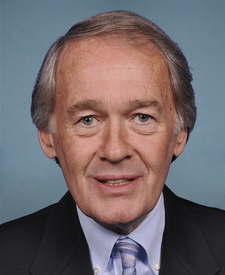
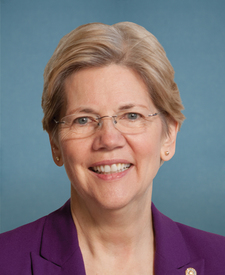
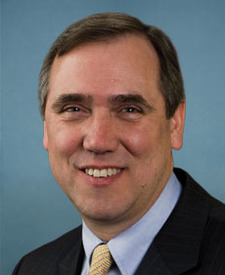
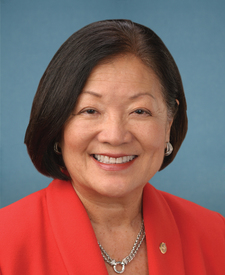
In CommitteeMr. Markey (for himself, Ms. Warren, Mr. Sanders, Ms. Hirono, …
Read twice and referred to the Committee on the Judiciary.
Introduced in Senate
Stakeholder Effects
cui bono?How this legislation distributes effects. Mention counts reflect frequency, not effect magnitude.
All federal agencies with detention authority, Attorney General and Department of Justice, Federal Bureau of Prisons
Federal detention facilities, Immigration detention facilities, Local jails and detention centers
Incarcerated people harmed by solitary confinement, Incarcerated people in federal facilities
State and local governments receiving Byrne JAG grants, State corrections agencies, State prison systems
Civil rights advocates appointed to monitoring body, Civil rights and prisoners rights organizations, Formerly incarcerated people
Community-based mental health providers, Mental health service providers
Prisoners rights attorneys and legal aid organizations, Public defenders offices
Bill Structure & Actor Mappings
Who is "The Secretary" in each section?
- "the_director"
- → Director of the Federal Bureau of Prisons
- "federal_agency"
- → Federal Bureau of Prisons, ICE, DHS, CBP, ORR, USMS, HHS, and contractors
- "the_attorney_general"
- → Attorney General of the United States
Key Definitions
Terms defined in this bill
The practice of isolating a person in a cell for extended periods without meaningful congregate interaction
A psychiatric emergency involving sudden onset of psychotic symptoms such as hallucinations, delusions, suicidal ideation, or extreme panic
Any unit separate from general population or more restrictive in terms of access to programming, services, or daily life aspects
Being held in a Federal facility for any reason
Includes BOP, ICE, DHS, CBP, ORR, USMS, HHS, any Federal agency with persons in custody, and any contracted entity
Any BOP, ICE, DHS, CBP, ORR, USMS, HHS facility, or any contracted facility holding federal prisoners
We use a combination of our own taxonomy and classification in addition to large language models to assess meaning and potential beneficiaries. High confidence means strong textual evidence. Always verify with the original bill text.
Learn more about our methodology