Transportation, Housing and Urban Development, and Related Agencies Appropriations Act, 2026
Summary
What This Bill Does
The Transportation, Housing and Urban Development, and Related Agencies Appropriations Act, 2026 funds DOT, HUD, and related agencies and then attaches program-level rules to nearly every major account. DOT provisions cover the Council on Credit and Finance, working capital funds, bonuses, credit assistance notices, tribal funding agreement transfers, award and oversight costs, rescissions of infrastructure-law balances, Essential Air Service protections, FAA staffing and premium pay, airport sponsor rules, aircraft operations limits, political appointee caps, regional office protections, Teterboro operations, contract towers, air-traffic privatization limits, ATC academy treatment, medical standards, highway obligation limits, Buy America notice and comment, grant notices, state and territory funding uses, greenhouse-gas or inward-camera restrictions, apprenticeship and training-provider reporting, rail grant oversight, Amtrak overtime and WARN Act issues, accessibility station planning, Union Station, long-distance rail policy, CRISI rescissions, Capital Investment Grants, transit transfers, apportionment protections, 5310 and 5311 net-cost rules, Chinese rail rolling stock restrictions, MARAD utilities, personal information, transit pass standards, hiring preferences, presidential-signage limits, office relocations, university transportation centers, and grant-list reports. HUD provisions recapture Section 8 budget authority, restrict Fair Housing Act prosecutions in specified ways, govern competitive grants and transfers, limit student Section 8 eligibility, support Native Alaskan housing, manage multifamily disposition, exempt small PHAs from asset-management requirements, fund public housing, govern NOFOs and ACC revisions, support PBCA funding, set Family Self-Sufficiency metrics, authorize voucher waivers, protect whistleblowers, restructure certain HUD loan debt, preserve old PRAC funds, require field-office notices, report grant lists, add rent incentives, set CoC conditions, and update Section 184 Indian housing loan terms and CDBG tribal uses. General provisions restrict transfers, training, reprogramming, relocations, unobligated balances, eminent domain, first-class travel, conferences, STB filing fees, pornography networks, IG access, foreign air carrier permits, public NOFOs, quarterly reports, termination notices, and rescissions.
Who Benefits and How
State DOTs benefit from highway obligation authority, grant notices, Buy America process rules, rescission clarity, and limits on withholding apportionments. FAA benefits from staffing protections, premium-pay authority, contract tower provisions, air traffic organization protections, academy rules, medical-standard provisions, and operations oversight. Airport sponsors benefit from guidance, reimbursement, Essential Air Service protections, contract towers, and airport-specific operating provisions. Transit agencies benefit from Capital Investment Grants, 5310 and 5311 net-cost rules, transit transfers, pass standards, and protection from certain Chinese rail rolling stock procurement risks. Amtrak and rail grant applicants benefit from funded rail oversight, accessibility planning, long-distance rail policy, CRISI treatment, Union Station provisions, and grant notices. Public housing agencies benefit from public housing funds, asset-management exemptions for small agencies, PBCA money, Moving to Work provisions, voucher waiver authority, and ACC revision rules. Section 8 households, Native housing borrowers, and homeless assistance providers benefit from voucher, Native Alaskan housing, Section 184, CoC, rent incentive, and homelessness assistance provisions. Congressional appropriations committees benefit from notices before program shifts, grant lists, quarterly reports, public NOFOs, rescission tables, and relocation or termination notifications.
Who Bears the Burden and How
DOT must administer credit, aviation, highway, rail, transit, maritime, grant, rescission, reporting, and political-appointee restrictions across many accounts. HUD must manage Section 8 recaptures, Fair Housing Act limits, public housing rules, Native housing changes, CoC conditions, grant notices, transfer authority, voucher waivers, and field-office notifications. FAA managers must track staffing levels, premium pay, contract towers, regional operations, medical standards, ATC academy handling, and air traffic organization restrictions. Transit agencies and rail grantees must comply with Buy America, Chinese rolling-stock, grant, transfer, overtime, accessibility, and reporting requirements. Fair housing complainants and fair housing respondents are affected by restrictions on prosecution, enforcement conditions, whistleblower rules, and HUD reporting duties. Federal contractors and grantees must meet notices, Buy American compliance, public NOFOs, account-structure rules, grant-list reporting, and termination-notice requirements. Federal taxpayers fund DOT and HUD appropriations while receiving rescissions, spending controls, travel limits, conference limits, and quarterly oversight reports.
Key Provisions
- Appropriates fiscal year 2026 funding for DOT, HUD, and related agencies.
- Requires or limits aviation operations through FAA staffing, premium pay, contract towers, regional offices, ATC academy rules, medical standards, and air-traffic privatization restrictions.
- Provides highway, rail, transit, maritime, credit-assistance, grant-notice, tribal transfer, Buy America, and university transportation center rules.
- Restricts Chinese rail rolling stock procurement and controls selected greenhouse-gas, inward-camera, apprenticeship, grant-change, and signage policies.
- Funds and regulates Section 8, public housing, Native housing, PBCA contracts, Family Self-Sufficiency, voucher waivers, CoC grants, HUD loan debt, rent incentives, and field-office notices.
- Limits Fair Housing Act spending, prosecution, enforcement, and grant practices while preserving whistleblower protections and public reporting.
- Requires reprogramming notices, quarterly reports, grant lists, public NOFOs, transfer controls, relocation notices, termination notices, rescissions, and IG access.
Evidence Chain:
This summary is generated from the full bill text using AI analysis. Expand "Detailed Analysis" below for identified beneficiaries/burden bearers with clause-level evidence links.
At a Glance
What This Bill Does
Appropriates fiscal year 2026 funding for Transportation, HUD, and related agencies while setting detailed operating rules for aviation, highways, rail, transit, maritime programs, public housing, Section 8, Native housing, homelessness assistance, fair housing, grants, rescissions, and congressional notifications.
Key Policy Areas
Appropriations, Transportation, Housing, Infrastructure, Government Oversight
Primary Purpose
Appropriates fiscal year 2026 funding for Transportation, HUD, and related agencies while setting detailed operating rules for aviation, highways, rail, transit, maritime programs, public housing, Section 8, Native housing, homelessness assistance, fair housing, grants, rescissions, and congressional notifications.
Policy Domains
Bill provisions
Identified Gains
- State DOTs
- FAA
- Airport sponsors
- Transit agencies
- Amtrak
- Rail grant applicants
- Public housing agencies
- Section 8 households
- Native housing borrowers
- Homeless assistance providers
- Congressional appropriations committees
Identified Costs
- DOT
- HUD
- FAA managers
- Transit agencies
- Rail grantees
- Fair housing complainants
- Fair housing respondents
- Federal contractors
- Federal taxpayers
Legislative Progress
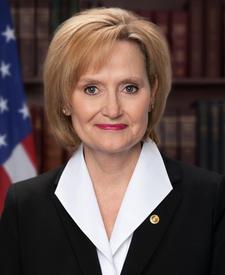
ReportedMrs. Hyde-Smith, from the Committee on Appropriations, reported the following …
Placed on Senate Legislative Calendar under General Orders. Calendar No. …
Committee on Appropriations. Original measure reported to Senate by Senator …
Introduced in Senate
Subcommittee on Transportation, Housing and Urban Development, and Related Agencies …
Subcommittee on Transportation, Housing and Urban Development, and Related Agencies …
Stakeholder Effects
cui bono?How this legislation distributes effects. Mention counts reflect frequency, not effect magnitude.
Congressional appropriations committees, DOT, FAA
Positive-direction: Congressional appropriations committees, Public housing agencies
Negative-direction: DOT, FAA, HUD, MARAD
Air traffic controllers, Airport sponsors, Amtrak
Positive-direction: Air traffic controllers, Airport sponsors, Amtrak, Rail grant applicants
Negative-direction: Chinese rail rolling stock manufacturers
Fair housing complainants, Fair housing respondents, Homeless assistance providers
Positive-direction: Fair housing respondents, Homeless assistance providers, Native housing borrowers, Section 8 households
Negative-direction: Fair housing complainants
Bill Structure & Actor Mappings
Who is "The Secretary" in each section?
- "secretary"
- → Secretary of Transportation
- "administrator"
- → FAA Administrator
- "hud_secretary"
- → Secretary of Housing and Urban Development
We use a combination of our own taxonomy and classification in addition to large language models to assess meaning and potential beneficiaries. High confidence means strong textual evidence. Always verify with the original bill text.
Learn more about our methodology