To establish a pilot program to convert blighted buildings into housing.
Analysis under review: This bill has generated analysis that may be too generic or incomplete. Clause-level evidence remains available below.
Summary
What This Bill Does
This bill creates a pilot program called the Blighted Building to Housing Conversion Program that provides grants to convert vacant commercial and industrial buildings (like abandoned malls, factories, and warehouses) into affordable housing. The program would run from 2027-2031 with up to $100 million per year in funding from excess HOME program appropriations.
Who Benefits and How
Local governments and housing authorities receive competitive grants of $1-10 million to fund conversion projects. Property developers and construction companies benefit from new project opportunities and funding. Low and moderate-income households (earning 60-120% of area median income) gain access to new affordable housing units. Communities in economically distressed areas and Opportunity Zones receive priority, potentially revitalizing blighted neighborhoods.
Who Bears the Burden and How
There are minimal direct burden-bearers in this bill. The funding comes from excess HOME program appropriations above $1.35 billion, so no new taxes or fees are imposed. Owners of abandoned properties may face indirect pressure to sell or address code violations, though the bill does not mandate any actions from them.
Key Provisions
- Creates competitive grants of $1-10 million for converting vacant commercial/industrial buildings to housing
- Funds property acquisition, demolition, hazard remediation, construction, and community land trusts
- Prioritizes economically distressed communities, Opportunity Zones, and areas that reduced regulatory barriers
- Requires housing to serve households at 60-120% of area median income
Evidence Chain:
This summary is generated from the full bill text using AI analysis. Expand "Detailed Analysis" below for identified beneficiaries/burden bearers with clause-level evidence links.
At a Glance
What This Bill Does
Establishes a pilot program to convert vacant and abandoned commercial and industrial buildings into affordable housing through competitive grants to local governments
Key Policy Areas
Housing, Urban Development, Community Development
Primary Purpose
Establishes a pilot program to convert vacant and abandoned commercial and industrial buildings into affordable housing through competitive grants to local governments
Policy Domains
Blighted Building to Housing Conversion Program
Identified Gains
- Local governments and housing authorities
- Property developers and construction companies
- Low and moderate-income households
- Economically distressed communities
Sponsors

Jim Banks
R-IN | Primary Sponsor
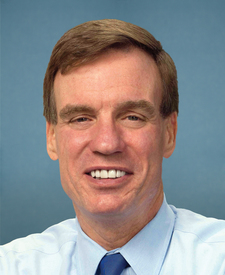
Legislative Progress
IntroducedMr. Banks (for himself and Mr. Warner) introduced the following …
Stakeholder Effects
cui bono?How this legislation distributes effects. Mention counts reflect frequency, not effect magnitude.
Property developers and construction companies engaged in housing conversion projects
Communities in economically distressed areas and Opportunity Zones
Bill Structure & Actor Mappings
Who is "The Secretary" in each section?
- "the_secretary"
- → Secretary of Housing and Urban Development
Key Definitions
Terms defined in this bill
Housing serving households earning 80-120% of area median income, with majority of units affordable to households at 60-80% AMI
A participating jurisdiction as defined in section 104 of the Cranston-Gonzalez National Affordable Housing Act
Property constructed for warehouse, factory, mall, strip mall, hotel, or other commercial/industrial use that is either (1) deemed unsafe by code enforcement with no corrective action after 90 days, or (2) subject to court-ordered receivership or meets state definition of abandoned property
We use a combination of our own taxonomy and classification in addition to large language models to assess meaning and potential beneficiaries. High confidence means strong textual evidence. Always verify with the original bill text.
Learn more about our methodology