To promote mental wellness and resilience and prevent and heal mental health, behavioral health, and psychosocial conditions through developmentally and culturally appropriate community programs, and award grants for the purpose of establishing, operating, or expanding community-based mental wellness and resilience programs, and for other purposes.
Analysis under review: This bill has generated analysis that may be too generic or incomplete. Clause-level evidence remains available below.
Summary
What This Bill Does
The bill amends the Public Health Service Act to create new grant programs for community mental wellness and resilience, including planning grants (up to $250,000) for organizations to form coordinating networks and program and establishes grant programs under new section 317W of the Public Health Service Act where the Secretary of HHS, in consultation with SAMHSA and HRSA, awards grants to resilience coordinating networks composed. It relies on grants and appropriations. The main policy areas are Public Health, Healthcare, Social Welfare, and Education.
Who Benefits and How
Nonprofit mental health and behavioral health organizations could gain revenue opportunities, Nonprofit and community-based mental health organizations could gain revenue opportunities, and Community-based organizations and grassroots groups could gain revenue opportunities.
Who Bears the Burden and How
No clear private burden is identified from the available clause analysis; implementing agencies may still take on administrative work.
Key Provisions
- Amends the Public Health Service Act to create new grant programs for community mental wellness and resilience, including planning grants (up to $250,000) for organizations to form coordinating networks and program...
- Establishes grant programs under new section 317W of the Public Health Service Act where the Secretary of HHS, in consultation with SAMHSA and HRSA, awards grants to resilience coordinating networks composed...
Evidence Chain:
This summary is generated from the full bill text using AI analysis. Expand "Detailed Analysis" below for identified beneficiaries/burden bearers with clause-level evidence links.
At a Glance
What This Bill Does
The bill amends the Public Health Service Act to create new grant programs for community mental wellness and resilience, including planning grants (up to $250,000) for organizations to form coordinating networks and program and establishes grant programs under new section 317W of the Public Health Service Act where the Secretary of HHS, in consultation with SAMHSA and HRSA, awards grants to resilience coordinating networks composed.
Key Policy Areas
Public Health, Healthcare, Social Welfare, Education
Primary Purpose
The bill amends the Public Health Service Act to create new grant programs for community mental wellness and resilience, including planning grants (up to $250,000) for organizations to form coordinating networks and program and establishes grant programs under new section 317W of the Public Health Service Act where the Secretary of HHS, in consultation with SAMHSA and HRSA, awards grants to resilience coordinating networks composed.
Policy Domains
Section 1 - Short Title
Identified Gains
- Nonprofit mental health and behavioral health organizations
- Nonprofit and community-based mental health organizations
- Community-based organizations and grassroots groups
- Rural healthcare and community service providers
- Grassroots groups and neighborhood associations
Sponsors
Legislative Progress
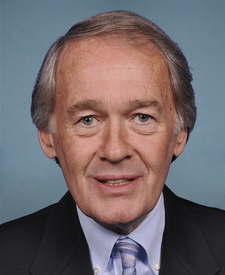
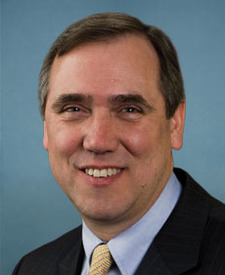
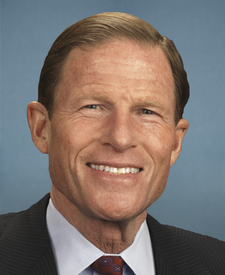
IntroducedMr. Markey (for himself, Mr. Blumenthal, and Mr. Merkley) introduced …
Stakeholder Effects
cui bono?How this legislation distributes effects. Mention counts reflect frequency, not effect magnitude.
Nonprofit and community-based mental health organizations, Nonprofit mental health and behavioral health organizations, Rural healthcare and community service providers
Senior care organizations, Youth-serving and after-school program organizations, Youth-serving organizations and after-school programs
Community-based organizations and grassroots groups, Grassroots groups and neighborhood associations
Educational institutions (schools, community colleges), Schools and educational institutions
Faith and spirituality organizations, Faith-based and spirituality organizations
Mental health professionals and social workers
Bill Structure & Actor Mappings
Who is "The Secretary" in each section?
- "administrator"
- → Administrator of the Health Resources and Services Administration (HRSA)
- "the_secretary"
- → Secretary of Health and Human Services
- "assistant_secretary"
- → Assistant Secretary for Mental Health and Substance Use (SAMHSA)
Key Definitions
Terms defined in this bill
A network composed of 1 or more representatives from at least 5 of 13 categories including grassroots groups, schools, youth organizations, faith organizations, health professionals, etc.
A nonprofit or community-based entity eligible to be part of the resilience coordinating network with documented support from at least 3 other such entities
Methods that take a population-level approach to promote mental wellness and resilience, addressing mental health problems by identifying protective factors and using holistic systems perspective
People, groups, and organizations that reside in or work within a specific geographic area, such as a city, neighborhood, subdivision, or urban, suburban, or rural locale
A traumatic event or events shared by a community that have lasting adverse effects on the health and well-being of the community
Strengths, skills, resources, and characteristics associated with lower likelihood of negative outcomes of adversities or that reduce the impact of toxic stresses
A state of well-being in which an individual experiences positive emotional functioning, pursues self-defined goals, establishes meaningful relationships, and feels meaning and purpose
Social and environmental structures and processes that adversely affect an individual's mental state or community health
Cognitive, psychological, emotional, and behavioral capabilities and social connections that enable people to respond to toxic stresses without negative consequences
Exposure to prolonged, severe, and stressful situations with no period of recovery or support
We use a combination of our own taxonomy and classification in addition to large language models to assess meaning and potential beneficiaries. High confidence means strong textual evidence. Always verify with the original bill text.
Learn more about our methodology