To require the Secretary of Agriculture to provide support for organic dairy producers and processors, and for other purposes.
Analysis under review: This bill has generated analysis that may be too generic or incomplete. Clause-level evidence remains available below.
Summary
What This Bill Does
The O DAIRY Act of 2025 creates a comprehensive support system for organic dairy farmers who face unique challenges compared to conventional dairy operations. It expands disaster assistance to cover losses from rising organic feed costs, establishes data collection programs to track organic milk prices and production costs, requires the USDA to develop new safety net programs tailored to organic dairy, and funds infrastructure investments for regional organic milk processing.
Who Benefits and How
Organic dairy farmers benefit significantly through expanded eligibility for USDA Emergency Livestock Assistance Program (ELAP) payments when organic feed costs spike, plus access to new safety net programs designed around organic-specific cost data. Small organic dairy operations receive prioritized support for infrastructure investments. Regional organic dairy processors benefit from $20 million annually in grants for new processing plants, on-farm processing facilities, and equipment to aggregate and transport organic milk more efficiently.
Who Bears the Burden and How
Conventional dairy farmers may face relative competitive disadvantage as organic operations receive targeted federal support not available to them. Taxpayers fund the new programs, with $25 million annually authorized for fiscal years 2025-2029 ($20M for infrastructure, $5M for regional specialists). The USDA bears increased administrative burden to implement new surveys, reports, safety net programs, and regional specialist positions.
Key Provisions
- Extends ELAP disaster payments to organic dairy farmers facing income losses over 10% from rising organic feed costs
- Requires USDA to establish Organic All Milk Prices Survey within 90 days and publish organic cost-of-production data by state and region
- Mandates development of new organic dairy safety net programs within 1 year, with priority for small dairy operations
- Authorizes $25 million annually through 2029 for organic dairy processing infrastructure and Regional Organic Dairy Market Specialists
Evidence Chain:
This summary is generated from the full bill text using AI analysis. Expand "Detailed Analysis" below for identified beneficiaries/burden bearers with clause-level evidence links.
At a Glance
What This Bill Does
Provides comprehensive support for organic dairy farmers through disaster assistance expansion, improved data collection, new safety net programs, and infrastructure investment for regional organic dairy processing.
Key Policy Areas
Agriculture, Organic Farming, Dairy Industry, Rural Development
Primary Purpose
Provides comprehensive support for organic dairy farmers through disaster assistance expansion, improved data collection, new safety net programs, and infrastructure investment for regional organic dairy processing.
Policy Domains
O DAIRY Act of 2025
Identified Gains
- Organic dairy farmers
- Small organic dairy operations
- Regional organic dairy processors
- Organic feed producers
Identified Costs
- USDA/Department of Agriculture
- Taxpayers
- Conventional dairy farmers (relative disadvantage)
Sponsors
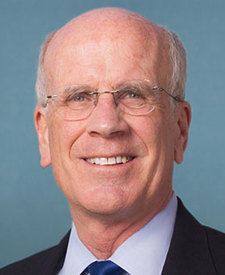

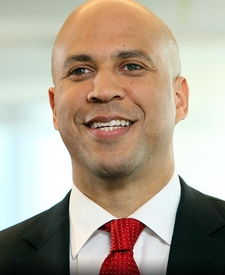
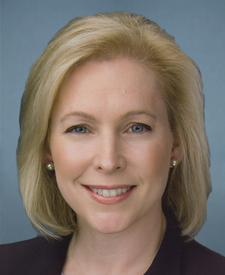
Legislative Progress
IntroducedMr. Welch (for himself, Mrs. Gillibrand, Mr. Sanders, and Mr. …
Stakeholder Effects
cui bono?How this legislation distributes effects. Mention counts reflect frequency, not effect magnitude.
Organic dairy farmers, Organic feed producers, Regional organic dairy processors
USDA Farm Service Agency, USDA National Agricultural Statistics Service
Organic milk aggregators and transporters
Bill Structure & Actor Mappings
Who is "The Secretary" in each section?
- "the_secretary"
- → Secretary of Agriculture
Key Definitions
Terms defined in this bill
Organic Dairy Assistance, Investment, and Reporting Yields Act of 2025
Dairy operations as determined based on the small business size standard for the applicable North American Industry Classification System code described in section 121.201 of title 13, Code of Federal Regulations
The Secretary of Agriculture
We use a combination of our own taxonomy and classification in addition to large language models to assess meaning and potential beneficiaries. High confidence means strong textual evidence. Always verify with the original bill text.
Learn more about our methodology