THINK TWICE Act of 2025
Summary
What This Bill Does
The bill focuses on the People's Republic of China's global arms-sales strategy. It requires the Director of National Intelligence, coordinated with Defense and State, to report on PRC-origin weapons systems, likely buyers, technical capabilities, risks to U.S. platforms, future systems, and United Nations sanctions violations. It also requires the Secretary of State, coordinated with Defense, to produce a strategy using information campaigns, financing, subsidized pricing, sanctions analysis, export controls, allied defense-firm alternatives, and congressional coordination to steer buyers away from PRC weapons.
Who Benefits and How
The Director of National Intelligence benefits from a statutory tasking that organizes intelligence on PRC arms exports and counterintelligence risks. The Department of State benefits from a defined strategy requirement for warning foreign governments about PRC weapon reliability, maintenance, integration, and security-cooperation risks. The Department of Defense benefits because the assessment must compare PRC systems to U.S. systems and identify balance-of-power effects by combatant command. United States defense firms benefit when the strategy identifies competitive alternatives and financing tools for countries considering Chinese weapons. Foreign partner governments benefit from information about training, maintenance, reliability, sanctions, and future U.S. security-cooperation consequences. Congressional defense and foreign affairs committees benefit from recurring unclassified reports with classified annexes.
Who Bears the Burden and How
DNI analysts must produce annual reports for three years covering technical, market, intelligence, and geopolitical details of PRC arms sales. The Secretary of State must build a whole-of-government strategy within one year and report the implementation plan to Congress. The Secretary of Defense must coordinate assessments and strategy work tied to combatant-command risks and U.S. defense alternatives. PRC arms exporters face U.S. diplomatic, informational, and potential economic pressure intended to discourage buyers. Countries considering PRC weapons face scrutiny over future U.S. security cooperation, sanctions, export controls, and integration limits.
Key Provisions
- Requires DNI-led assessments of PRC-origin weapons systems, military equipment, technical capabilities, security risks, likely buyers, and future market offerings.
- Requires analysis of whether PRC systems are direct alternatives to U.S. weapons and how they affect geographic combatant-command balances of power.
- Directs a State Department strategy to dissuade purchases of new PRC weapons systems and military equipment.
- Requires the strategy to address information campaigns, U.S. financing or pricing options, sanctions, export controls, defense-firm alternatives, disinformation, and congressional coordination.
- Provides unclassified reporting with possible classified annexes for appropriate congressional committees.
Evidence Chain:
This summary is generated from the full bill text using AI analysis. Expand "Detailed Analysis" below for identified beneficiaries/burden bearers with clause-level evidence links.
At a Glance
What This Bill Does
Requires annual intelligence assessments of Chinese arms sales for three years and a State Department strategy to dissuade foreign governments and non-state actors from buying new PRC-origin weapons systems and military equipment.
Key Policy Areas
National Security, Foreign Affairs, Defense
Primary Purpose
Requires annual intelligence assessments of Chinese arms sales for three years and a State Department strategy to dissuade foreign governments and non-state actors from buying new PRC-origin weapons systems and military equipment.
Policy Domains
Bill provisions
Identified Gains
- Director of National Intelligence
- Department of State
- Department of Defense
- United States defense firms
- Foreign partner governments
- Congressional defense committees
Identified Costs
- DNI analysts
- Secretary of State
- Secretary of Defense
- PRC arms exporters
- Countries considering PRC weapons
Sponsors


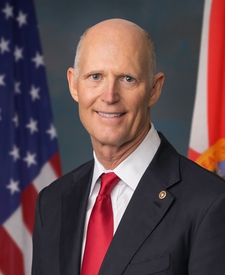
Legislative Progress
ReportedReported by Mr. Risch, with an amendment
Placed on Senate Legislative Calendar under General Orders. Calendar No. …
Committee on Foreign Relations. Reported by Senator Risch with an …
Committee on Foreign Relations. Ordered to be reported with an …
Mr. Ricketts (for himself, Mr. Bennet, and Mr. Scott of …
Mr. Ricketts (for himself and Mr. Bennet) introduced the following …
Read twice and referred to the Committee on Foreign Relations.
Introduced in Senate
Stakeholder Effects
cui bono?How this legislation distributes effects. Mention counts reflect frequency, not effect magnitude.
Department of Defense, Department of State, Director of National Intelligence
PRC arms exporters, United States defense firms
Positive-direction: United States defense firms
Negative-direction: PRC arms exporters
Bill Structure & Actor Mappings
Who is "The Secretary" in each section?
- "dni"
- → Director of National Intelligence
- "state"
- → Secretary of State
- "defense"
- → Secretary of Defense
We use a combination of our own taxonomy and classification in addition to large language models to assess meaning and potential beneficiaries. High confidence means strong textual evidence. Always verify with the original bill text.
Learn more about our methodology