Honoring Our Fallen Heroes Act of 2025
Summary
What This Bill Does
The bill treats qualifying carcinogen exposure as a line-of-duty personal injury for public safety officers when exposure-related cancer results in death or permanent and total disability. It lists covered cancers, allows updates at least every three years, sets service and diagnosis windows, permits rebuttal by competent medical evidence, and extends related SAFER Act line-of-duty claim rules for deaths or disabilities tied to covered actions.
Who Benefits and How
Firefighter families benefit because exposure-related cancer deaths can qualify for Public Safety Officers' Benefits without proving every element from scratch. Law enforcement families benefit when a qualifying officer's cancer-linked death or disability is presumed line-of-duty. Public safety officers benefit because permanent and total disability from covered cancers can be treated as a compensable line-of-duty injury. PSOB applicants benefit from clearer cancer definitions, service windows, and a three-year filing window for claims tied to the new amendment.
Who Bears the Burden and How
The Bureau of Justice Assistance must evaluate cancer-related PSOB claims under the new presumption and medical-rebuttal standard. The PSOB program must update cancer definitions at least once every three years and administer retroactive claim rules. Public safety agencies must document line-of-duty action, service history, and exposure context for claimants. Federal taxpayers bear potential benefit costs if more cancer-related deaths and disabilities qualify for PSOB payments.
Key Provisions
- Establishes definitions for carcinogens and exposure-related cancers in Public Safety Officers' Benefits claims.
- Provides a line-of-duty injury presumption when qualifying carcinogen exposure, service, diagnosis, and causation windows are met.
- Allows the presumption to be rebutted by competent medical evidence that exposure was not a substantial contributing factor.
- Requires periodic review and updates to the exposure-related cancer list.
- Applies technical SAFER Act line-of-duty language to deaths after January 1, 2020 and qualifying disability claims.
Evidence Chain:
This summary is generated from the full bill text using AI analysis. Expand "Detailed Analysis" below for identified beneficiaries/burden bearers with clause-level evidence links.
At a Glance
What This Bill Does
Expands Public Safety Officers' Benefits coverage by creating a line-of-duty presumption for public safety officers whose carcinogen exposure leads to specified cancers, death, or permanent and total disability, and applies related technical amendments to SAFER Act claims.
Key Policy Areas
Public Safety, Health Care
Primary Purpose
Expands Public Safety Officers' Benefits coverage by creating a line-of-duty presumption for public safety officers whose carcinogen exposure leads to specified cancers, death, or permanent and total disability, and applies related technical amendments to SAFER Act claims.
Policy Domains
Bill provisions
Identified Gains
- Firefighter families
- Law enforcement families
- Public safety officers
- PSOB applicants
Identified Costs
- Bureau of Justice Assistance
- PSOB program
- Public safety agencies
- Federal taxpayers
Sponsors

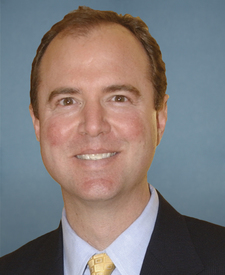
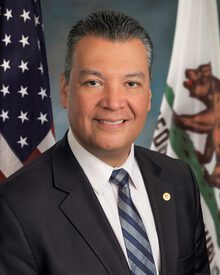


Legislative Progress
ReportedPlaced on Senate Legislative Calendar under General Orders. Calendar No. …
Reported by Mr. Grassley, without amendment
Committee on the Judiciary. Reported by Senator Grassley without amendment. …
Committee on the Judiciary. Ordered to be reported without amendment …
Introduced in Senate
Ms. Klobuchar (for herself, Mr. Cramer, Mr. Banks, Mr. Barrasso, …
Read twice and referred to the Committee on the Judiciary.
Ms. Klobuchar (for herself, Mr. Cramer, Mr. Banks, Mr. Barrasso, …
Stakeholder Effects
cui bono?How this legislation distributes effects. Mention counts reflect frequency, not effect magnitude.
Bill Structure & Actor Mappings
Who is "The Secretary" in each section?
- "director"
- → Director of the Bureau of Justice Assistance
We use a combination of our own taxonomy and classification in addition to large language models to assess meaning and potential beneficiaries. High confidence means strong textual evidence. Always verify with the original bill text.
Learn more about our methodology