Young Fishermen’s Development Program Reauthorization Act
Summary
What This Bill Does
The bill updates the Young Fishermen's Development Act by expanding the training topics that grants can support, adding career-outcome tracking through the National Sea Grant Office, and extending authorization from the 2022-2026 period to 2026-2031. It makes the program more focused on commercial fishing careers, seafood handling, business diversification, and shoreside infrastructure.
Who Benefits and How
Young fishermen benefit because training grants can cover crew management, disaster preparedness, seafood handling, and career development. Commercial fishing businesses benefit from a broader pipeline of workers trained in fisheries operations and portfolio diversification. Working waterfront communities benefit because management of waterfront and shoreside infrastructure becomes an eligible training topic. Sea Grant training providers benefit from continued authorization through 2031 and clearer program evaluation measures. Great Lakes fisheries benefit because participant tracking includes commercial fisheries of the United States and the Great Lakes.
Who Bears the Burden and How
The National Sea Grant Office must track participant career progression and use outcomes to evaluate future grant eligibility. The Secretary of Commerce must administer the extended program and grant criteria through 2031. Grant applicants must document participant outcomes and align proposals with the expanded eligible training topics. Training providers must adapt curricula to cover added topics such as seafood handling, disaster preparedness, and working waterfront management.
Key Provisions
- Extends Young Fishermen's Development Act authorization from 2026 through 2031.
- Adds crew management, disaster preparedness, seafood handling, technical assistance, portfolio diversification, and working waterfront management to eligible training topics.
- Requires the National Sea Grant Office to track participant career progression when practicable.
- Uses participant outcomes as a key factor in evaluating program effectiveness and future grant eligibility.
Evidence Chain:
This summary is generated from the full bill text using AI analysis. Expand "Detailed Analysis" below for identified beneficiaries/burden bearers with clause-level evidence links.
At a Glance
What This Bill Does
Reauthorizes the Young Fishermen's Development Program through 2031 and expands eligible training topics to include crew management, disaster preparedness, seafood handling, portfolio diversification, working waterfront management, and participant career tracking.
Key Policy Areas
Fisheries, Workforce
Primary Purpose
Reauthorizes the Young Fishermen's Development Program through 2031 and expands eligible training topics to include crew management, disaster preparedness, seafood handling, portfolio diversification, working waterfront management, and participant career tracking.
Policy Domains
Bill provisions
Identified Gains
- Young fishermen
- Commercial fishing businesses
- Working waterfront communities
- Sea Grant training providers
- Great Lakes fisheries
Identified Costs
- National Sea Grant Office
- Secretary of Commerce
- Grant applicants
- Training providers
Sponsors
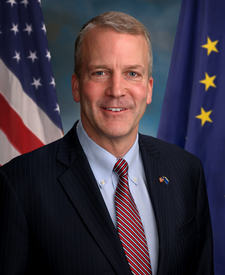
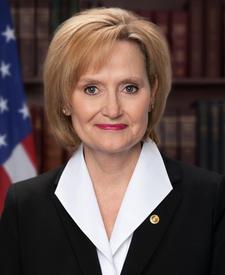
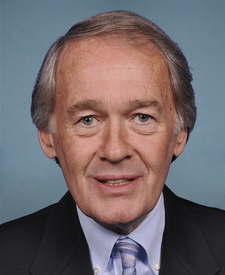

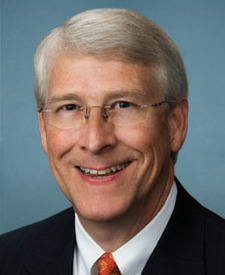
Legislative Progress
ReportedPlaced on Senate Legislative Calendar under General Orders. Calendar No. …
Committee on Commerce, Science, and Transportation. Reported by Senator Cruz …
Reported by Mr. Cruz, with an amendment
Committee on Commerce, Science, and Transportation. Ordered to be reported …
Mr. Sullivan (for himself, Ms. Murkowski, Mr. Wicker, and Mr. …
Read twice and referred to the Committee on Commerce, Science, …
Introduced in Senate
Mr. Sullivan (for himself, Ms. Murkowski, Mr. Wicker, Mr. Markey, …
Stakeholder Effects
cui bono?How this legislation distributes effects. Mention counts reflect frequency, not effect magnitude.
Commercial fishing businesses, Grant applicants, Young fishermen
Positive-direction: Commercial fishing businesses, Young fishermen
Negative-direction: Grant applicants
Bill Structure & Actor Mappings
Who is "The Secretary" in each section?
- "sea_grant"
- → National Sea Grant Office
- "secretary"
- → Secretary of Commerce
We use a combination of our own taxonomy and classification in addition to large language models to assess meaning and potential beneficiaries. High confidence means strong textual evidence. Always verify with the original bill text.
Learn more about our methodology