Space Exploration Research Act
Summary
What This Bill Does
The bill authorizes NASA to lease real property for space, aeronautics, workforce education, technology transfer, scientific, engineering, medical, academic, and related activities. The reported text limits leases to no more than 50 years, requires protection of U.S. interests and mission relevance, allows support agreements with or without reimbursement, and requires annual reports to the Senate Commerce and House Science committees.
Who Benefits and How
NASA centers benefit because the bill creates a leasing path for mission-related research, education, technology-transfer, and workforce facilities. Universities benefit from potential long-term access to NASA property for space and aeronautics research facilities. Nonprofit science foundations benefit from eligibility to lease NASA property for education, research, and technology-transfer uses. Space workforce students benefit when leased facilities support training and academic activities tied to NASA missions. State governments benefit from authority to partner on facilities that advance space and aeronautics work near NASA centers.
Who Bears the Burden and How
NASA real property officers must determine mission relevance, protect U.S. interests, negotiate leases, and track revenue use. NASA center directors must report annual lease counts, value, revenue, cost savings, and facility benefits. Congressional oversight committees must review annual lease reports by NASA center and facility. Lease applicants must meet mission-related use requirements and comply with lease terms.
Key Provisions
- Authorizes NASA to lease real property for mission-related aeronautics, space, research, education, workforce, technology-transfer, and scientific uses.
- Allows leases with states, state subdivisions, nonprofit science or education organizations, and institutions of higher education.
- Limits reported-version leases to no more than 50 years and requires protection of U.S. interests.
- Allows NASA to provide services, contracts, grants, cooperative agreements, and other support with or without reimbursement.
- Requires annual reports to congressional science and commerce committees on lease value, revenue use, cost savings, and benefits by NASA center.
Evidence Chain:
This summary is generated from the full bill text using AI analysis. Expand "Detailed Analysis" below for identified beneficiaries/burden bearers with clause-level evidence links.
At a Glance
What This Bill Does
Gives NASA supplemental leasing authority for mission-related real property agreements with states, universities, and nonprofit science or education organizations, while adding congressional reporting on lease value, revenue use, cost savings, and NASA-center benefits.
Key Policy Areas
Space, Research, Government Operations
Primary Purpose
Gives NASA supplemental leasing authority for mission-related real property agreements with states, universities, and nonprofit science or education organizations, while adding congressional reporting on lease value, revenue use, cost savings, and NASA-center benefits.
Policy Domains
Bill provisions
Identified Gains
- NASA centers
- Universities
- Nonprofit science foundations
- Space workforce students
- State governments
Identified Costs
- NASA real property officers
- NASA center directors
- Congressional oversight committees
- Lease applicants
Sponsors
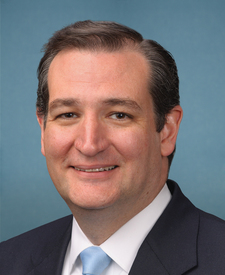

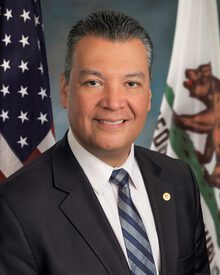
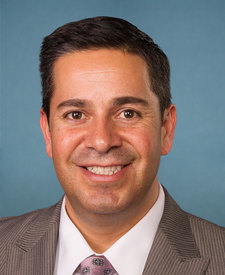

Legislative Progress
ReportedPlaced on Senate Legislative Calendar under General Orders. Calendar No. …
Committee on Commerce, Science, and Transportation. Reported by Senator Cruz …
Reported by Mr. Cruz, with an amendment
Committee on Commerce, Science, and Transportation. Ordered to be reported …
Mr. Cruz (for himself, Mr. Padilla, Mrs. Britt, Mr. Luján, …
Read twice and referred to the Committee on Commerce, Science, …
Introduced in Senate
Stakeholder Effects
cui bono?How this legislation distributes effects. Mention counts reflect frequency, not effect magnitude.
Congressional oversight committees, NASA centers, NASA real property officers
Positive-direction: NASA centers
Negative-direction: Congressional oversight committees, NASA real property officers
Bill Structure & Actor Mappings
Who is "The Secretary" in each section?
- "administrator"
- → NASA Administrator
We use a combination of our own taxonomy and classification in addition to large language models to assess meaning and potential beneficiaries. High confidence means strong textual evidence. Always verify with the original bill text.
Learn more about our methodology