To direct the Secretary of Health and Human Services to develop and implement a program and national strategic action plan to prepare and empower the health care sector to protect the health and well-being of our workers, our communities, and our planet in the face of the climate crisis, and for other purposes.
Summary
What This Bill Does
The bill defines definitions of environmental justice community, medically underserved community, and other key terms for climate-health legislation, creates savings clause preserving existing federal authority and prohibiting violations of other laws, and establishes Office of Climate Change and Health Equity within HHS with director, duties including health assessments, data tracking, modeling, and a national strategic action plan. It relies on compliance mandates, reporting requirements, definition changes, and appropriations. The main policy areas are Healthcare, Science & Space, and Environment.
Who Benefits and How
Office of Climate Change and Health Equity could gain revenue opportunities, National Academies of Sciences, Engineering, and Medicine could gain revenue opportunities, and Climate-vulnerable populations could face lower compliance burdens.
Who Bears the Burden and How
Department of Health and Human Services would take on compliance duties, HHS Secretary would take on compliance duties, and Federal taxpayers could face higher costs.
Key Provisions
- Defines definitions of environmental justice community, medically underserved community, and other key terms for climate-health legislation.
- Creates savings clause preserving existing federal authority and prohibiting violations of other laws.
- Establishes Office of Climate Change and Health Equity within HHS with director, duties including health assessments, data tracking, modeling, and a national strategic action plan.
- Requires permanent 10-20 member science advisory board with National Academy nominations, advising on climate-health impacts and strategies.
- Requires periodic reports by National Academies reviewing climate-health science, evaluating strategic action plan, and recommending changes.
Evidence Chain:
This summary is generated from the full bill text using AI analysis. Expand "Detailed Analysis" below for identified beneficiaries/burden bearers with clause-level evidence links.
At a Glance
What This Bill Does
The bill defines definitions of environmental justice community, medically underserved community, and other key terms for climate-health legislation, creates savings clause preserving existing federal authority and prohibiting violations of other laws, and establishes Office of Climate Change and Health Equity within HHS with director, duties including health assessments, data tracking, modeling, and a national strategic action plan.
Key Policy Areas
Healthcare, Science & Space, Environment
Primary Purpose
The bill defines definitions of environmental justice community, medically underserved community, and other key terms for climate-health legislation, creates savings clause preserving existing federal authority and prohibiting violations of other laws, and establishes Office of Climate Change and Health Equity within HHS with director, duties including health assessments, data tracking, modeling, and a national strategic action plan.
Policy Domains
Climate and Health
Identified Gains
- Office of Climate Change and Health Equity
- National Academies of Sciences, Engineering, and Medicine
- Climate-vulnerable populations
- Public health professionals
- National Academy of Sciences and Medicine
Identified Costs
- Department of Health and Human Services
- HHS Secretary
- Federal taxpayers
Sponsors
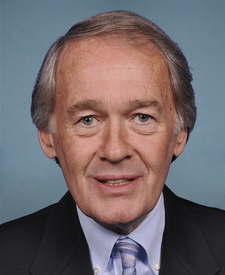
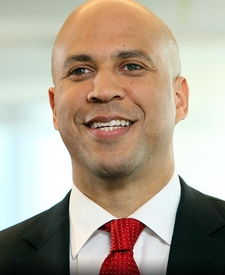
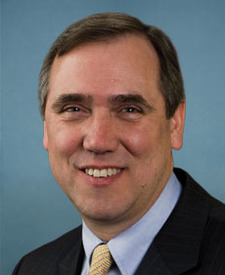
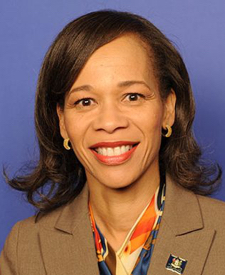
Legislative Progress
IntroducedMr. Markey (for himself, Ms. Blunt Rochester, Mr. Merkley, and …
Stakeholder Effects
cui bono?How this legislation distributes effects. Mention counts reflect frequency, not effect magnitude.
Climate and public health experts, Medically underserved communities, Public health and healthcare professionals
Department of Health and Human Services, HHS Secretary, Office of Climate Change and Health Equity
Positive-direction: Office of Climate Change and Health Equity
Negative-direction: Department of Health and Human Services, HHS Secretary
Climate health researchers, National Academies of Sciences, Engineering, and Medicine, National Academy of Sciences and Medicine
Climate-vulnerable populations, Environmental justice communities
Bill Structure & Actor Mappings
Who is "The Secretary" in each section?
- "director"
- → Director of the Office of Climate Change and Health Equity
- "the_secretary"
- → Secretary of Health and Human Services
- "advisory_board"
- → Permanent science advisory board (10-20 members)
Key Definitions
Terms defined in this bill
Community with significant representation of communities of color, low-income communities, or Tribal and Indigenous communities experiencing higher health or environmental effects
Per section 799B of the Public Health Service Act
We use a combination of our own taxonomy and classification in addition to large language models to assess meaning and potential beneficiaries. High confidence means strong textual evidence. Always verify with the original bill text.
Learn more about our methodology