Health Records Enhancement Act
Summary
What This Bill Does
The bill gives DOD and VA one year to let health records for deceased VA enrollees and TRICARE-eligible individuals be supplemented by a designated person, or by an immediate family member if no designee exists. The supplement can add observed health conditions and other relevant health information, but it cannot modify the existing record.
Who Benefits and How
Surviving spouses benefit because they can add observed health information to a deceased enrollee's record when no designee has been named. Adult children and parents benefit from a defined way to supplement records with relevant health information after death. VA claims processors benefit from supplemental information that can illuminate post-service health conditions without rewriting the official record. TRICARE families benefit because the bill covers deceased individuals entitled to care under the TRICARE program.
Who Bears the Burden and How
The Department of Veterans Affairs must design and administer a post-death health-record supplementation process. The Department of Defense must coordinate with VA for TRICARE and DOD health records. Health records staff must accept supplemental submissions while preserving the original contents of the record. Designated individuals must follow the new process and provide relevant information rather than altering the source record.
Key Provisions
- Requires DOD and VA action within one year to allow supplemental information in deceased enrollees' health records.
- Lets a designated person, or an immediate family member when no designee exists, submit observed health conditions and relevant health information.
- Provides a process for individuals to make a designation before death.
- Specifies that supplemental entries add to the health record and do not modify the existing record.
Evidence Chain:
This summary is generated from the full bill text using AI analysis. Expand "Detailed Analysis" below for identified beneficiaries/burden bearers with clause-level evidence links.
At a Glance
What This Bill Does
Requires the Departments of Defense and Veterans Affairs to create a process allowing a designated person or immediate family member to add observed health conditions and relevant information to a deceased veteran or TRICARE enrollee's health record without changing the original record.
Key Policy Areas
Veterans, Health Care
Primary Purpose
Requires the Departments of Defense and Veterans Affairs to create a process allowing a designated person or immediate family member to add observed health conditions and relevant information to a deceased veteran or TRICARE enrollee's health record without changing the original record.
Policy Domains
Bill provisions
Identified Gains
- Surviving spouses
- Adult children
- VA claims processors
- TRICARE families
Identified Costs
- Department of Veterans Affairs
- Department of Defense
- Health records staff
- Designated individuals
Sponsors
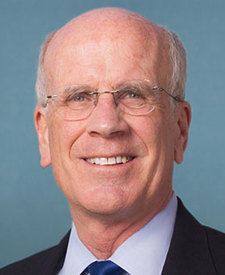
Legislative Progress
ReportedCommittee on Veterans' Affairs. Ordered to be reported with an …
Committee on Veterans' Affairs. Hearings held.
Committee on Veterans' Affairs. Hearings held. Hearings printed: S.Hrg. 119-247.
Mr. Welch introduced the following bill; which was read twice …
Read twice and referred to the Committee on Veterans' Affairs.
Introduced in Senate
Stakeholder Effects
cui bono?How this legislation distributes effects. Mention counts reflect frequency, not effect magnitude.
Department of Defense, Department of Veterans Affairs, VA claims processors
Positive-direction: VA claims processors
Negative-direction: Department of Defense, Department of Veterans Affairs
Bill Structure & Actor Mappings
Who is "The Secretary" in each section?
- "secretary_va"
- → Secretary of Veterans Affairs
- "secretary_defense"
- → Secretary of Defense
We use a combination of our own taxonomy and classification in addition to large language models to assess meaning and potential beneficiaries. High confidence means strong textual evidence. Always verify with the original bill text.
Learn more about our methodology