Advancing VA’s Emergency Response to (AVERT) Crises Act of 2025
Summary
What This Bill Does
Requires VA reports on emergency management roles and regional readiness centers and a joint VA-FEMA plan for fuel sharing and emergency coordination.
Who Benefits and How
Veterans, VA medical centers, and communities near VA facilities benefit if clearer emergency roles, regional readiness centers, and fuel-sharing plans improve continuity of care during disasters. FEMA benefits from a required coordination plan with VA for fuel and emergency support. Congressional veterans committees benefit from reports on VA emergency management and readiness center options.
Who Bears the Burden and How
VA emergency management staff must produce reports within 180 days and a fuel-sharing coordination plan within 90 days. FEMA logistics staff must coordinate with VA. VA facility managers may need to inventory fuel, readiness center capacity, and emergency roles. Federal taxpayers bear planning and potential implementation costs.
Key Provisions
- Requires a VA report on emergency management roles within 180 days.
- Requires a VA report on Regional Readiness Centers within 180 days.
- Requires a VA-FEMA plan for fuel sharing and increased coordination within 90 days.
- Gives congressional veterans committees oversight information.
- Focuses on emergency readiness rather than direct health benefit expansion.
Evidence Chain:
This summary is generated from the full bill text using AI analysis. Expand "Detailed Analysis" below for identified beneficiaries/burden bearers with clause-level evidence links.
At a Glance
What This Bill Does
Requires VA reports on emergency management roles and regional readiness centers and a joint VA-FEMA plan for fuel sharing and emergency coordination.
Key Policy Areas
Veterans, Emergency Management, VA
Primary Purpose
Requires VA reports on emergency management roles and regional readiness centers and a joint VA-FEMA plan for fuel sharing and emergency coordination.
Policy Domains
House resolution provisions
Identified Gains
- Veterans
- VA medical centers
- Communities near VA facilities
- FEMA
- Congressional veterans committees
Identified Costs
- VA emergency management staff
- FEMA logistics staff
- VA facility managers
- Federal taxpayers
Sponsors

Legislative Progress
ReportedCommittee on Veterans' Affairs. Ordered to be reported with an …
Committee on Veterans' Affairs. Hearings held.
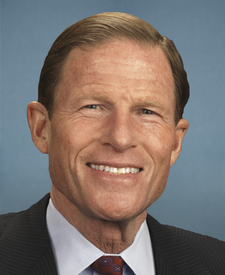
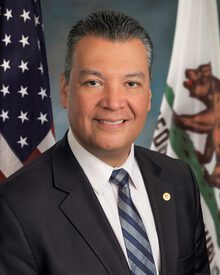
Mr. Blumenthal (for himself and Ms. Hirono) introduced the following …
Read twice and referred to the Committee on Veterans' Affairs.
Introduced in Senate
Stakeholder Effects
cui bono?How this legislation distributes effects. Mention counts reflect frequency, not effect magnitude.
VA emergency management staff, VA facility managers, VA medical centers
Positive-direction: VA medical centers
Negative-direction: VA emergency management staff, VA facility managers
FEMA, FEMA logistics staff
Positive-direction: FEMA
Negative-direction: FEMA logistics staff
Bill Structure & Actor Mappings
Who is "The Secretary" in each section?
- "va"
- → Department of Veterans Affairs
- "fema"
- → Federal Emergency Management Agency
We use a combination of our own taxonomy and classification in addition to large language models to assess meaning and potential beneficiaries. High confidence means strong textual evidence. Always verify with the original bill text.
Learn more about our methodology