To reauthorize the Bureau of Reclamation to provide cost-shared funding to implement the endangered and threatened fish recovery programs for the Upper Colorado and San Juan River Basins.
Analysis under review: This bill has generated analysis that may be too generic or incomplete. Clause-level evidence remains available below.
Summary
What This Bill Does
This bill reauthorizes the Upper Colorado and San Juan River Basins endangered fish recovery programs through 2031, extending programs originally set to expire in 2024. It expands the scope from endangered fish to include threatened fish species and updates the funding structure with inflation adjustments.
Who Benefits and How
The Bureau of Reclamation receives continued authority and up to $50 million for capital projects plus over $92 million for annual operations. Upper Division States (Colorado, New Mexico, Utah, Wyoming) and their political subdivisions can contribute funds and receive federal matching. Environmental and conservation organizations benefit from continued species protection programs. Native American tribes in the region benefit from habitat restoration efforts.
Who Bears the Burden and How
Power customers of the Colorado River Storage Project may see costs from power revenues being redirected to fish recovery programs. However, the bill explicitly excludes replacement power costs from contribution requirements, limiting this burden.
Key Provisions
- Authorizes $50 million for capital projects (FY2024-2031) with inflation adjustments
- Authorizes $92 million for annual base funding for the Upper Colorado program
- Authorizes $61 million for annual base funding with $31 million specifically for San Juan River Basin
- Allows Bureau of Reclamation to accept non-Federal contributions from states and private entities
- Extends program expiration from 2024 to 2031
Evidence Chain:
This summary is generated from the full bill text using AI analysis. Expand "Detailed Analysis" below for identified beneficiaries/burden bearers with clause-level evidence links.
At a Glance
What This Bill Does
Reauthorizes and extends funding for the Upper Colorado and San Juan River Basins endangered and threatened fish recovery programs through fiscal year 2031, while updating program structures and funding mechanisms.
Key Policy Areas
Environment, Wildlife Conservation, Water Resources, Federal Appropriations
Primary Purpose
Reauthorizes and extends funding for the Upper Colorado and San Juan River Basins endangered and threatened fish recovery programs through fiscal year 2031, while updating program structures and funding mechanisms.
Policy Domains
Reauthorization of Fish Recovery Programs
Identified Gains
- Bureau of Reclamation
- Upper Division States (CO, NM, UT, WY)
- Environmental conservation organizations
- Native American tribes
- Endangered and threatened fish species
Identified Costs
- Federal taxpayers (through appropriations)
- Power customers of Colorado River Storage Project (limited)
Sponsors

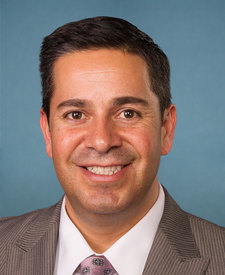
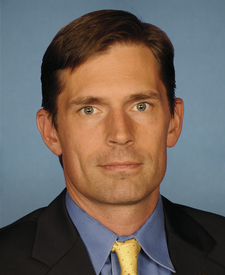

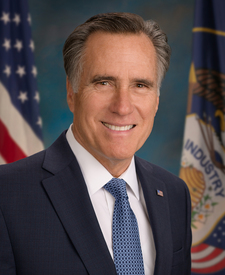
Legislative Progress
ReportedReported by Mr. Manchin, with amendments
Mr. Hickenlooper (for himself, Mr. Romney, Mr. Luján, Mr. Heinrich, …
Stakeholder Effects
cui bono?How this legislation distributes effects. Mention counts reflect frequency, not effect magnitude.
Upper Division States (Colorado, New Mexico, Utah, Wyoming)
Bill Structure & Actor Mappings
Who is "The Secretary" in each section?
- "the_secretary"
- → Secretary of the Interior
- "bureau_of_reclamation"
- → Bureau of Reclamation (acting under Secretary of the Interior)
Key Definitions
Terms defined in this bill
Colorado, New Mexico, Utah, and Wyoming - the states participating in the Upper Colorado and San Juan River Basins recovery programs
The Recovery Implementation Program for Endangered Species in the Upper Colorado River Basin (1987) and the San Juan River Basin Recovery Implementation Program (1992)
We use a combination of our own taxonomy and classification in addition to large language models to assess meaning and potential beneficiaries. High confidence means strong textual evidence. Always verify with the original bill text.
Learn more about our methodology