Diesel Emissions Reduction Act of 2025
Summary
What This Bill Does
Reauthorizes the Diesel Emissions Reduction Act by extending the Energy Policy Act authorization from 2024 through 2029.
Who Benefits and How
Diesel fleet owners, school districts, port operators, transit agencies, and local governments benefit because DERA grants and rebates can continue supporting replacement, repower, retrofit, and idle-reduction projects. Communities near highways, ports, rail yards, school bus routes, and freight corridors benefit from lower particulate matter and nitrogen oxide emissions if projects are funded. EPA benefits from continued statutory authority for the diesel emissions program.
Who Bears the Burden and How
EPA grant administrators must continue running DERA through 2029. Federal taxpayers bear program funding costs if appropriations follow the authorization. Diesel equipment owners must apply for grants, meet cost-share rules, and document emissions reductions. Older diesel engine operators that do not upgrade may face competitive pressure from subsidized cleaner fleets.
Key Provisions
- Amends section 797(a) of the Energy Policy Act of 2005.
- Extends the Diesel Emissions Reduction Act authorization from 2024 to 2029.
- Supports continued grants and rebates for diesel engine replacement, repower, retrofit, and idle-reduction work.
- Benefits communities exposed to diesel particulate pollution.
- Gives EPA continued program authority but does not itself appropriate annual funds.
Evidence Chain:
This summary is generated from the full bill text using AI analysis. Expand "Detailed Analysis" below for identified beneficiaries/burden bearers with clause-level evidence links.
At a Glance
What This Bill Does
Reauthorizes the Diesel Emissions Reduction Act by extending the Energy Policy Act authorization from 2024 through 2029.
Key Policy Areas
Diesel Emissions, EPA, Air Quality
Primary Purpose
Reauthorizes the Diesel Emissions Reduction Act by extending the Energy Policy Act authorization from 2024 through 2029.
Policy Domains
House resolution provisions
Identified Gains
- Diesel fleet owners
- School districts
- Port operators
- Transit agencies
- Local governments
- EPA
Identified Costs
- EPA grant administrators
- Federal taxpayers
- Diesel equipment owners
- Older diesel engine operators
Sponsors

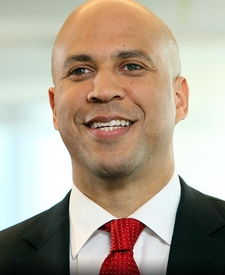



Legislative Progress
ReportedReported by Mrs. Capito, without amendment
Placed on Senate Legislative Calendar under General Orders. Calendar No. …
Committee on Environment and Public Works. Reported by Senator Capito …
Committee on Environment and Public Works. Ordered to be reported …
Mr. Whitehouse (for himself, Mrs. Capito, Mr. Booker, Mr. Sullivan, …
Read twice and referred to the Committee on Environment and …
Introduced in Senate
Stakeholder Effects
cui bono?How this legislation distributes effects. Mention counts reflect frequency, not effect magnitude.
Bill Structure & Actor Mappings
Who is "The Secretary" in each section?
- "epa"
- → Environmental Protection Agency
We use a combination of our own taxonomy and classification in addition to large language models to assess meaning and potential beneficiaries. High confidence means strong textual evidence. Always verify with the original bill text.
Learn more about our methodology