To make improvements to the Emergency Solutions Grants and Continuum of Care programs, and for other purposes.
Sponsors


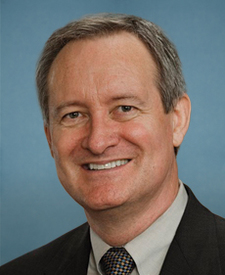

Legislative Progress
IntroducedMr. Rounds (for himself, Ms. Smith, Mr. Reed, and Mr. …
Summary
What This Bill Does
The Reducing Homelessness Through Program Reform Act modernizes and streamlines federal homelessness assistance programs, specifically the Emergency Solutions Grants (ESG) and Continuum of Care (CoC) programs administered by HUD. It reduces administrative burdens on service providers, speeds up the process of housing homeless individuals, and creates a new Advisory Committee on Homelessness that includes people with lived experience of homelessness.
Who Benefits and How
Homeless service providers and nonprofits benefit from reduced paperwork and administrative burden: they can receive up to 10% (up from 7.5%) of ESG funds for administrative costs, use 2-year funding cycles instead of annual applications, count program income toward matching requirements, and conduct faster/remote housing inspections.
People experiencing homelessness benefit from faster access to housing through streamlined inspection processes (including pre-inspections, remote inspections, and using prior federal inspections), the ability to cover security deposits and holding fees, and up to 6 months of rent/utility arrears coverage.
Indian tribes and tribally designated housing entities benefit from exemptions from certain civil rights requirements when operating homeless programs on reservation and trust lands, allowing them to prioritize tribal members.
Frontline homelessness workers benefit from required biennial studies of workforce compensation, addressing concerns that low pay undermines program effectiveness.
Who Bears the Burden and How
HUD and the federal government bear increased administrative responsibilities: establishing the new Advisory Committee, conducting biennial workforce studies, and implementing more flexible grant management systems.
The Comptroller General must conduct recurring studies on homelessness workforce compensation every two years.
Public housing agencies must adapt to new inspection methods and income verification procedures, though these changes are designed to reduce their overall burden.
Key Provisions
- Increases ESG administrative cost cap from 7.5% to 10% of grant funds
- Establishes the Advisory Committee on Homelessness within HUD, with 10-15 members including people with lived homelessness experience, to advise on federal homelessness policy
- Allows 2-year grant funding cycles for Continuum of Care programs instead of annual renewals
- Streamlines housing inspections by allowing pre-inspections (60 days before lease), remote/video inspections, and acceptance of prior federal inspections
- Permits use of voucher funds for security deposits and holding fees during the inspection/approval process
- Allows 6 months of rent/utility arrears coverage as part of rapid re-housing assistance
- Requires GAO studies on workforce compensation to determine if low pay is undermining program effectiveness
- Exempts tribal housing programs on trust lands from certain federal civil rights requirements
Evidence Chain:
This summary is derived from the structured analysis below. See "Detailed Analysis" for per-title beneficiaries/burden bearers with clause-level evidence links.
Primary Purpose
We use a combination of our own taxonomy and classification in addition to large language models to assess meaning and potential beneficiaries. High confidence means strong textual evidence. Always verify with the original bill text.
Learn more about our methodology