To amend title 35, United States Code, to invest in inventors in the United States, maintain the United States as the leading innovation economy in the world, and protect the property rights of the inventors that grow the economy of the United States, and for other purposes.
Analysis under review: This bill has generated analysis that may be too generic or incomplete. Clause-level evidence remains available below.
Summary
What This Bill Does
Reforms USPTO inter partes and post-grant review proceedings to limit who can challenge patents, require standing similar to federal court, and give patent owners more procedural protections.
Who Benefits and How
Patent holders benefit from stronger protections against serial challenges and hedge fund attacks. Inventors and innovators gain more reliable patent rights. Pharmaceutical and technology companies with large patent portfolios face fewer validity challenges.
Who Bears the Burden and How
Entities challenging patents must show infringement standing before filing IPR. Hedge funds and patent challengers lose ability to file speculative challenges. USPTO must implement new procedures and code of conduct for PTAB judges.
Key Provisions
- Requires standing (sued or charged with infringement) to file IPR petition
- Mandates code of conduct for PTAB administrative judges
- Expands discovery rights for patent owners in PTAB proceedings
- Limits estoppel waivers and serial petitions
- Creates appeal rights to Federal Circuit for institution decisions
Evidence Chain:
This summary is generated from the full bill text using AI analysis. Expand "Detailed Analysis" below for identified beneficiaries/burden bearers.
At a Glance
What This Bill Does
Reforms Patent Trial and Appeal Board (PTAB) inter partes review procedures to strengthen patent rights and address concerns about patent quality challenges
Who Benefits
- Patent holders
- Pharmaceutical companies
- Technology companies
Who Bears Costs
- Patent challengers
- Hedge funds
- Generic drug manufacturers
Key Policy Areas
Intellectual Property, Patents, Technology, Innovation
Primary Purpose
Reforms Patent Trial and Appeal Board (PTAB) inter partes review procedures to strengthen patent rights and address concerns about patent quality challenges
Policy Domains
Legislative Strategy
"Strengthen patent rights by limiting PTAB challenges and providing more procedural protections"
Sponsors
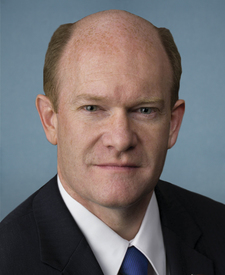
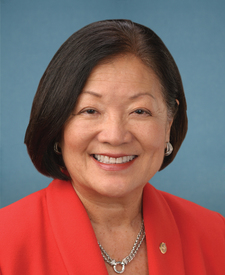
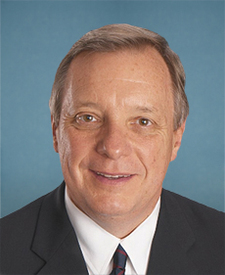

Legislative Progress
ReportedReported by Mr. Durbin, with an amendment
Mr. Coons (for himself, Mr. Tillis, Mr. Durbin, and Ms. …
Stakeholder Effects
cui bono?How this legislation distributes effects. Mention counts reflect frequency, not effect magnitude.
PTAB, Patent Trial and Appeal Board, SBA
Positive-direction: USPTO
Negative-direction: PTAB, Patent Trial and Appeal Board, SBA, Small Business Administration
Patent challengers, Patent challengers using IPR, Patent challengers/invalidation petitioners
Third-party litigation funders, Third-party patent funders
University inventors, University inventors and researchers
Bill Structure & Actor Mappings
Who is "The Secretary" in each section?
- "the_director"
- → Director of USPTO
Key Definitions
Terms defined in this bill
We use a combination of our own taxonomy and classification in addition to large language models to assess meaning and potential beneficiaries. High confidence means strong textual evidence. Always verify with the original bill text.
Learn more about our methodology