To address the health of cancer survivors and unmet needs that survivors face through the entire continuum of care from diagnosis through active treatment and posttreatment, in order to improve survivorship, treatment, transition to recovery and beyond, quality of life and palliative care, and long-term health outcomes, including by developing a minimum standard of care for cancer survivorship, irrespective of the type of cancer, a survivor’s background, or forthcoming survivorship needs, and for other purposes.
Analysis under review: This bill has generated analysis that may be too generic or incomplete. Clause-level evidence remains available below.
Summary
What This Bill Does
This bill creates a comprehensive framework to support Americans living with and beyond cancer. It establishes new Medicare and Medicaid benefits for cancer care planning, fertility preservation, and survivorship services, while creating employment assistance programs and research initiatives to better understand the long-term needs of cancer survivors.
Who Benefits and How
Cancer survivors and their families benefit from new covered services including cancer care planning, fertility preservation under Medicaid, and employment assistance programs. Healthcare providers gain new reimbursable services for cancer care planning and survivorship navigation. Healthcare technology companies and EHR vendors may benefit from requirements to develop survivorship care plan tools.
Who Bears the Burden and How
Federal government (HHS, CMS) must develop new programs, alternative payment models, and resource centers. State Medicaid programs must provide coverage for cancer fertility services. Taxpayers fund new grant programs, demonstration projects, and the comprehensive survivorship program.
Key Provisions
- Creates Medicare coverage for cancer care planning and coordination services
- Requires Medicaid coverage for cancer fertility preservation services
- Establishes employment assistance programs for cancer survivors
- Creates a childhood cancer survivorship demonstration model under Medicaid
- Mandates comprehensive cancer survivorship resource centers and programs
Evidence Chain:
This summary is generated from the full bill text using AI analysis. Expand "Detailed Analysis" below for identified beneficiaries/burden bearers.
At a Glance
What This Bill Does
Establishes comprehensive programs and services to improve the health, quality of life, and care coordination for cancer survivors from diagnosis through the rest of their lives.
Key Policy Areas
Healthcare, Medicare, Medicaid, Employment, Research
Primary Purpose
Establishes comprehensive programs and services to improve the health, quality of life, and care coordination for cancer survivors from diagnosis through the rest of their lives.
Policy Domains
Employment Programs (Section 9)
Identified Gains
Contextual inference, no direct clause citation- Cancer survivors
- Nonprofit organizations
- Cancer survivor families and caregivers
Contextual inference, no direct clause citation
Identified Costs
Contextual inference, no direct clause citation- Department of Labor
Contextual inference, no direct clause citation
Navigation and Demonstration Programs (Sections 7-8)
Identified Gains
Contextual inference, no direct clause citation- Cancer survivors
- Healthcare providers
- Patient navigators
Contextual inference, no direct clause citation
Identified Costs
Contextual inference, no direct clause citation- HHS
Contextual inference, no direct clause citation
Medicaid Programs (Sections 13-15)
Identified Gains
Contextual inference, no direct clause citation- Childhood cancer survivors
- Cancer patients needing fertility preservation
- State Medicaid programs
Contextual inference, no direct clause citation
Identified Costs
Contextual inference, no direct clause citation- State Medicaid programs
- CMS
Contextual inference, no direct clause citation
Medicare Services (Sections 4-6)
Identified Gains
Contextual inference, no direct clause citation- Cancer survivors
- Healthcare providers
- EHR vendors
Contextual inference, no direct clause citation
Identified Costs
Contextual inference, no direct clause citation- Medicare (CMS)
- HHS
Contextual inference, no direct clause citation
Findings and Definitions (Sections 2-3)
Identified Gains
Contextual inference, no direct clause citation- Cancer survivors
- Cancer patient families
Contextual inference, no direct clause citation
Comprehensive Survivorship Program (Sections 10-12)
Identified Gains
Contextual inference, no direct clause citation- Cancer survivors
- Healthcare professionals
- Researchers
Contextual inference, no direct clause citation
Identified Costs
Contextual inference, no direct clause citation- HHS
- GAO
Contextual inference, no direct clause citation
Sponsors

Legislative Progress
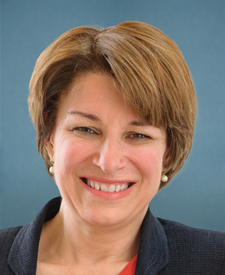
IntroducedMs. Klobuchar (for herself and Mr. Cardin) introduced the following …
Stakeholder Effects
cui bono?How this legislation distributes effects. Mention counts reflect frequency, not effect magnitude.
Adult cancer survivors, Cancer care providers participating in alternative payment models, Cancer centers, academic health centers, FQHCs, rural health clinics
Center for Medicare and Medicaid Innovation, Department of Labor, Government Accountability Office
State Medicaid directors and programs, State Medicaid programs
Fertility clinics and reproductive medicine providers
Nonprofit organizations providing cancer support services
Cancer researchers and National Cancer Institute
Bill Structure & Actor Mappings
Who is "The Secretary" in each section?
- "the_secretary"
- → Secretary of Health and Human Services
- "the_secretary"
- → Secretary of Health and Human Services
- "the_secretary"
- → Secretary of Labor
- "the_secretary"
- → Secretary of Health and Human Services
- "the_secretary"
- → Secretary of Health and Human Services
Note: 'The Secretary' refers to Secretary of Labor in Section 9 (employment programs) but Secretary of Health and Human Services in all other sections
Key Definitions
Terms defined in this bill
An individual from the time of cancer diagnosis through the balance of his or her life
A family member, friend, or other person who cares for an individual with a chronic or disabling condition, including cancer
Patient experiences, perspectives, needs, and priorities related to symptoms, impact on functioning and quality of life, treatment experience, and outcome preferences
The psychological, behavioral, emotional, and social effects of a disease such as cancer and its treatment
Psychological and social services and interventions that enable survivors, patients, their families, and health care providers to optimize health care
We use a combination of our own taxonomy and classification in addition to large language models to assess meaning and potential beneficiaries. High confidence means strong textual evidence. Always verify with the original bill text.
Learn more about our methodology