To amend the Harmonized Tariff Schedule of the United States to increase the rate of duty on unmanned aircraft imported from the People's Republic of China, and for other purposes.
Analysis under review: This bill has generated analysis that may be too generic or incomplete. Clause-level evidence remains available below.
Summary
What This Bill Does
This bill, To amend the Harmonized Tariff Schedule of the United States to increase the rate of duty on unmanned aircraft imported from the People's Republic of China, and for other purposes., changes federal law or congressional policy affecting federal agencies and legislative administrators. The main policy domain is Government Operations, Finance, Trade.
Who Benefits and How
federal agencies and legislative administrators may benefit from new authority, funding, eligibility, regulatory clarity, or reduced risk created by the bill.
Who Bears the Burden and How
federal implementing agencies may take on implementation duties, reporting obligations, compliance costs, or oversight responsibilities.
Key Provisions
- Section HDAEBF483E1814CD0B67034B9A19ECD0A: 1. Short title This Act may be cited as the Drones for America Act.
- Section H26F1B2B60D364FC79CA9F72012F24819: 2. Sense of Congress It is the sense of Congress that— the United States has a national security interest in securing the supply chain for unmanned aircraft in...
- Section H532609A81E594E87BEA9A6D46ADE5A50: 3. Duty increase for imports of unmanned aircraft from the People's Republic of China Subchapter III of chapter 99 of the Harmonized Tariff Schedule of the...
- Section H7612EBD9B66745C9A3870DD80B88FB83: 4. Strengthened rules of origin for entries of unmanned aircraft and parts for unmanned aircraft Notwithstanding any provision of the general notes to the HTS,...
- Section H7A01D0550CCF472B91D686E5CF00BACF: 5. Grant program to ensure first responders, farmers and ranchers, and critical infrastructure providers have secure unmanned aircraft systems There is...
Evidence Chain:
This summary is generated from the full bill text using AI analysis. Expand "Detailed Analysis" below for identified beneficiaries/burden bearers with clause-level evidence links.
At a Glance
What This Bill Does
This bill, To amend the Harmonized Tariff Schedule of the United States to increase the rate of duty on unmanned aircraft imported from the People's Republic of China, and for other purposes., changes federal law or congressional policy affecting federal agencies and legislative administrators.
Key Policy Areas
Government Operations, Finance, Trade
Primary Purpose
This bill, To amend the Harmonized Tariff Schedule of the United States to increase the rate of duty on unmanned aircraft imported from the People's Republic of China, and for other purposes., changes federal law or congressional policy affecting federal agencies and legislative administrators.
Policy Domains
Whole bill
Identified Gains
- federal agencies and legislative administrators
Identified Costs
- federal implementing agencies
Sponsors
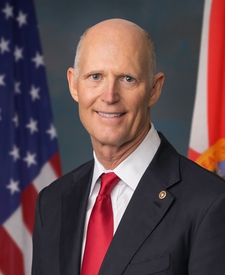
Legislative Progress
IntroducedMr. Scott of Florida introduced the following bill; which was …
Impact analysis is available but no clear stakeholder effects identified. View clause-level analysis →
Bill Structure & Actor Mappings
Who is "The Secretary" in each section?
- "the_commission"
- → The commission identified in the operative section
- "the_administrator"
- → The Administrator identified in the operative section
- "secretary_of_defense"
- → Secretary of Defense
- "secretary_of_treasury"
- → Secretary of the Treasury
- "secretary_of_agriculture"
- → Secretary of Agriculture
- "secretary_of_transportation"
- → Secretary of Transportation
- "secretary_of_homeland_security"
- → Secretary of Homeland Security
Key Definitions
Terms defined in this bill
a foreign entity that is— on the Federal Government’s Consolidated Screening List
We use a combination of our own taxonomy and classification in addition to large language models to assess meaning and potential beneficiaries. High confidence means strong textual evidence. Always verify with the original bill text.
Learn more about our methodology