To amend the Reclamation States Emergency Drought Relief Act of 1991 and the Omnibus Public Land Management Act of 2009 to provide grants to States and Indian Tribes for programs to voluntarily repurpose agricultural land to reduce consumptive water use, and for other purposes.
Analysis under review: This bill has generated analysis that may be too generic or incomplete. Clause-level evidence remains available below.
Summary
What This Bill Does
This bill, To amend the Reclamation States Emergency Drought Relief Act of 1991 and the Omnibus Public Land Management Act of 2009 to provide grants to States and Indian Tribes for programs to voluntarily repurpose agricultural land to reduce consumptive water use, and for other purposes., changes federal law or congressional policy affecting environmental regulators and natural-resource users. The main policy domain is Environment, Energy, Agriculture.
Who Benefits and How
environmental regulators and natural-resource users may benefit from new authority, funding, eligibility, regulatory clarity, or reduced risk created by the bill.
Who Bears the Burden and How
federal implementing agencies, environmental regulators and natural-resource users may take on implementation duties, reporting obligations, compliance costs, or oversight responsibilities.
Key Provisions
- Section id0ca82b8890064b83b878b323d9dcf4e7: 1. Short title This Act may be cited as the Voluntary Agricultural Land Repurposing Act of 2023.
- Section idAC3D44162BF44737867CCC06C120FF2B: 2. Grants to States and Indian Tribes for multibenefit programs to voluntarily repurpose agricultural land to reduce consumptive water use Section 101 of the...
- Section id4b854b00cbe943b88372cec36dfc6681: 3. Grants to support agricultural sustainability to reduce reliance on groundwater and reduce consumptive water use Section 9504(a) of the Omnibus Public Land...
Evidence Chain:
This summary is generated from the full bill text using AI analysis. Expand "Detailed Analysis" below for identified beneficiaries/burden bearers with clause-level evidence links.
At a Glance
What This Bill Does
This bill, To amend the Reclamation States Emergency Drought Relief Act of 1991 and the Omnibus Public Land Management Act of 2009 to provide grants to States and Indian Tribes for programs to voluntarily repurpose agricultural land to reduce consumptive water use, and for other purposes., changes federal law or congressional policy affecting environmental regulators and natural-resource users.
Key Policy Areas
Environment, Energy, Agriculture
Primary Purpose
This bill, To amend the Reclamation States Emergency Drought Relief Act of 1991 and the Omnibus Public Land Management Act of 2009 to provide grants to States and Indian Tribes for programs to voluntarily repurpose agricultural land to reduce consumptive water use, and for other purposes., changes federal law or congressional policy affecting environmental regulators and natural-resource users.
Policy Domains
Whole bill
Identified Gains
- environmental regulators and natural-resource users
Identified Costs
- federal implementing agencies
- environmental regulators and natural-resource users
Sponsors
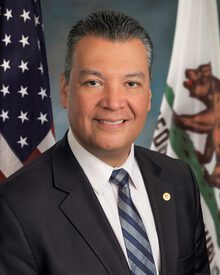
Legislative Progress
IntroducedMr. Padilla introduced the following bill; which was read twice …
Impact analysis is available but no clear stakeholder effects identified. View clause-level analysis →
Bill Structure & Actor Mappings
Who is "The Secretary" in each section?
- "secretary_of_commerce"
- → Secretary of Commerce
Key Definitions
Terms defined in this bill
an eligible landscape area or sub-basin that— includes multiple water users
We use a combination of our own taxonomy and classification in addition to large language models to assess meaning and potential beneficiaries. High confidence means strong textual evidence. Always verify with the original bill text.
Learn more about our methodology