Save Our Seas 2.0 Amendments Act
Summary
What This Bill Does
This bill reorganizes and consolidates two existing marine debris laws—the Marine Debris Act and the Save Our Seas 2.0 Act—into a single, unified statutory framework. It restructures the acts into subtitles, updates governance of the Marine Debris Foundation, adds definitions for Tribal governments and organizations, and replaces all references to the NOAA "Administrator" with "Under Secretary."
Who Benefits and How
The Marine Debris Foundation gains a clearer legal structure and extended board terms (6 years). Indian Tribes and Tribal organizations are formally included in the foundation’s partnership mandate, opening new avenues for participation in marine debris cleanup programs. NOAA gains greater flexibility through authorization for in-kind contributions to non-grant marine debris projects. Coastal communities benefit indirectly from a more streamlined legal framework for debris cleanup programs.
Who Bears the Burden and How
The Secretary of Commerce takes on new approval authority over foundation board appointments and key personnel decisions. The Foundation Board loses some autonomy as appointments and EPA Administrator selections now require Commerce Department sign-off. Federal agencies must update internal references and procedures to reflect the reorganized statute and new terminology.
Key Provisions
- Consolidates Marine Debris Act and Save Our Seas 2.0 Act provisions into a reorganized subtitle structure
- Authorizes NOAA in-kind contributions for non-grant marine debris projects
- Extends Marine Debris Foundation board terms to 6 years and requires Secretary of Commerce approval for appointments
- Adds USAID Administrator to the foundation board
- Includes formal definitions for Indian Tribe, Tribal Government, and Tribal organization
- Replaces all references to NOAA Administrator with Under Secretary throughout the statute.
Evidence Chain:
This summary is generated from the full bill text using AI analysis. Expand "Detailed Analysis" below for identified beneficiaries/burden bearers with clause-level evidence links.
At a Glance
What This Bill Does
Reorganizes and consolidates the Marine Debris Act and Save Our Seas 2.0 Act into a unified statutory framework, updating governance structures for the Marine Debris Foundation, adding tribal inclusion, and replacing references to the NOAA Administrator with the Under Secretary
Key Policy Areas
Environmental Protection, Ocean Policy, Tribal Affairs, Government Reorganization
Primary Purpose
Reorganizes and consolidates the Marine Debris Act and Save Our Seas 2.0 Act into a unified statutory framework, updating governance structures for the Marine Debris Foundation, adding tribal inclusion, and replacing references to the NOAA Administrator with the Under Secretary
Policy Domains
whole_bill
Identified Gains
- Marine Debris Foundation
- Indian Tribes
- Tribal Governments
- Marine debris research contractors
- Private sector marine debris cleanup contractors
- Coastal communities
Identified Costs
- Secretary of Commerce
- Marine Debris Foundation Board of Directors
- Marine Debris Foundation executive staff
- NOAA Marine Debris Program administrators
Sponsors
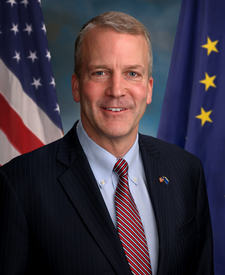
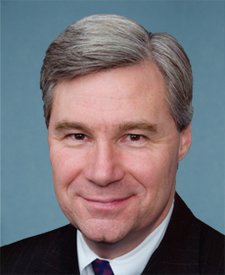
Legislative Progress
Signed into LawBecame Public Law No: 119-65.
Signed by President.
Presented to President.
Motion to reconsider laid on the table Agreed to without …
On motion to suspend the rules and pass the bill …
Passed/agreed to in House: On motion to suspend the rules …
DEBATE - The House proceeded with forty minutes of debate …
Considered under suspension of the rules. (consideration: CR H5867-5869)
Mr. Johnson (SD) moved to suspend the rules and pass …
Held at the desk.
Stakeholder Effects
cui bono?How this legislation distributes effects. Mention counts reflect frequency, not effect magnitude.
Marine Debris Foundation Board of Directors, Marine Debris Foundation executive staff, Marine Debris Foundation operations
Positive-direction: Marine Debris Foundation operations
Negative-direction: Marine Debris Foundation Board of Directors, Marine Debris Foundation executive staff
NOAA (National Oceanic and Atmospheric Administration), NOAA Marine Debris Program administrators, Secretary of Commerce (Department of Commerce)
Indian Tribes and Tribal Governments participating in marine debris programs, Indian Tribes and Tribal Governments seeking marine debris grants
Entities interpreting Marine Debris Act, Marine debris research contractors and partners
Private sector marine debris cleanup contractors
Bill Structure & Actor Mappings
Who is "The Secretary" in each section?
- "noaa"
- → National Oceanic and Atmospheric Administration
- "under_secretary"
- → Under Secretary of Commerce for Oceans and Atmosphere (NOAA)
- "usaid_admin"
- → Administrator of USAID
- "under_secretary"
- → Under Secretary of Commerce for Oceans and Atmosphere
- "foundation_board"
- → Board of Directors of the Marine Debris Foundation
- "secretary_commerce"
- → Secretary of Commerce
- "epa_admin"
- → EPA Administrator
- "under_secretary"
- → Under Secretary of Commerce for Oceans and Atmosphere
Key Definitions
Terms defined in this bill
As defined in section 2 of the Save Our Seas 2.0 Act (Public Law 116-224)
A city or county directly adjacent to the open ocean, major estuaries, or the Great Lakes
As defined in section 4 of the Indian Self-Determination and Education Assistance Act (25 U.S.C. 5304)
The recognized governing body of any Indian or Alaska Native Tribe, band, nation, pueblo, village, community, component band, or component reservation, individually identified in the most recent list published pursuant to the Federally Recognized Indian Tribe List Act of 1994
As defined in section 4 of the Indian Self-Determination and Education Assistance Act (25 U.S.C. 5304)
As defined in section 2 of the Save Our Seas 2.0 Act (Public Law 116-224)
We use a combination of our own taxonomy and classification in addition to large language models to assess meaning and potential beneficiaries. High confidence means strong textual evidence. Always verify with the original bill text.
Learn more about our methodology