Keeping Gun Dealers Honest Act of 2025
Analysis under review: This bill has generated analysis that may be too generic or incomplete. Clause-level evidence remains available below.
Summary
What This Bill Does
The "Keeping Gun Dealers Honest Act of 2025" significantly strengthens federal oversight and accountability of licensed firearms dealers. The bill increases ATF inspection authority from once to three times annually, raises penalties for violations from 1 to 5 years imprisonment (up to 10 years for offenses aiding gun trafficking), and gives the Attorney General broader power to deny, suspend, or revoke dealer licenses while imposing civil penalties up to $10,000 per violation.
Who Benefits and How
- Public safety advocates and communities benefit from enhanced enforcement mechanisms designed to reduce firearms reaching criminals through negligent or non-compliant dealers.
- Law enforcement (ATF) gains expanded authority with at least 80 additional employees authorized for inspections, more frequent inspection rights, and stronger enforcement tools including the ability to require physical inventories from dealers linked to 10+ traced crime guns.
- The Attorney General receives broader discretionary power to deny licenses to applicants deemed unsuitable or likely to pose public safety risks.
Who Bears the Burden and How
- Licensed firearms dealers, importers, manufacturers, and collectors face substantially increased regulatory burden: more frequent inspections (up to 3 times annually vs. once), higher penalties for violations (5-10 years imprisonment vs. 1 year), civil penalties up to $10,000 per violation, and potential license suspension or revocation. The removal of the "willful" violation standard makes it easier to penalize dealers for any violation, not just intentional ones.
- Dealers linked to crime guns must conduct physical inventories and provide detailed records to the Attorney General if convicted of unlawful transfers or if 10+ crime guns trace back to them.
- License applicants face new discretionary denial authority based on public safety concerns or "suitability" determinations.
Key Provisions
- Increases allowed compliance inspections from once to three times per year
- Raises imprisonment penalties from 1 year to 5 years for violations; up to 10 years for offenses aiding gun trafficking
- Authorizes civil penalties up to $10,000 per violation and license suspension/revocation authority
- Removes "willful" requirement from violation standards, lowering the threshold for enforcement action
- Authorizes hiring of at least 80 additional ATF employees for inspections
- Requires physical inventory audits for dealers convicted of unlawful transfers or linked to 10+ traced crime guns
- Grants Attorney General discretion to deny licenses based on public safety or applicant suitability concerns
Evidence Chain:
This summary is generated from the full bill text using AI analysis. Expand "Detailed Analysis" below for primary purpose and policy domains.
At a Glance
What This Bill Does
The bill aims to enhance accountability for licensed firearms dealers by increasing inspections, imposing stricter penalties for violations, and ensuring timely action against non-compliant dealers.
Key Policy Areas
Law Enforcement, Public Safety
Primary Purpose
The bill aims to enhance accountability for licensed firearms dealers by increasing inspections, imposing stricter penalties for violations, and ensuring timely action against non-compliant dealers.
Policy Domains
Sponsors
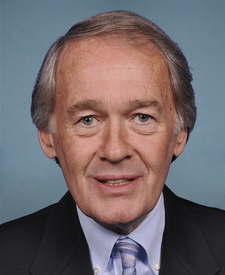
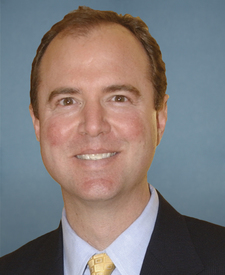
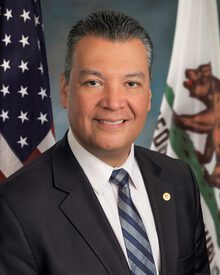


Legislative Progress
In CommitteeMr. Markey (for himself, Mr. Padilla, Mr. Murphy, Mr. Reed, …
Read twice and referred to the Committee on the Judiciary.
Introduced in Senate
Stakeholder Effects
cui bono?How this legislation distributes effects. Mention counts reflect frequency, not effect magnitude.
Licensed Firearms Dealers, Licensed firearms dealers, importers, manufacturers, and collectors
New and existing firearms dealers applying for licenses
Bill Structure & Actor Mappings
Who is "The Secretary" in each section?
We use a combination of our own taxonomy and classification in addition to large language models to assess meaning and potential beneficiaries. High confidence means strong textual evidence. Always verify with the original bill text.
Learn more about our methodology