Health Equity and Access under the Law for Immigrant Families Act of 2025
Analysis under review: This bill has generated analysis that may be too generic or incomplete. Clause-level evidence remains available below.
Summary
The HEAL for Immigrant Families Act of 2025 would expand health insurance access for immigrants by removing legal barriers in major federal health programs. It mandates that states provide Medicaid coverage to all lawfully present individuals (including those with deferred action status), eliminates the 5-year waiting period, extends CHIP coverage, and opens ACA marketplace plans with premium subsidies and cost-sharing reductions to undocumented individuals. States would also gain the option to cover individuals without lawful presence through Medicaid and CHIP. The bill further removes citizenship barriers to Medicare Parts A and B enrollment for lawfully present individuals.
Evidence Chain:
This summary is generated from the full bill text using AI analysis. Expand "Detailed Analysis" below for identified beneficiaries/burden bearers.
At a Glance
What This Bill Does
Removes legal and policy barriers preventing immigrants and their families from accessing federally funded health insurance programs, including Medicaid, CHIP, Medicare, and ACA marketplace plans.
Who Benefits
- Lawfully present immigrants
- Undocumented immigrants
- Deferred action recipients
Who Bears Costs
- Federal government (increased Medicaid/CHIP/subsidy spending)
- State governments (potential increased Medicaid enrollment)
Key Policy Areas
{'domain': 'Healthcare', 'evidence': ['Sec. 3 amends Medicaid eligibility for lawfully present individuals', 'Sec. 3(b) amends CHIP to include lawfully present individuals', 'Sec. 8 removes barriers to Medicare Parts A and B']}, {'domain': 'Immigration', 'evidence': ['Sec. 4 extends health coverage eligibility to individuals with Federally authorized presence including deferred action', 'Sec. 6 creates state option to cover individuals without lawful presence']}
Primary Purpose
Removes legal and policy barriers preventing immigrants and their families from accessing federally funded health insurance programs, including Medicaid, CHIP, Medicare, and ACA marketplace plans.
Policy Domains
Legislative Strategy
"Comprehensive removal of immigration-based barriers across all major federal health programs by amending the Social Security Act, Internal Revenue Code, ACA, and welfare reform law simultaneously."
Sponsors
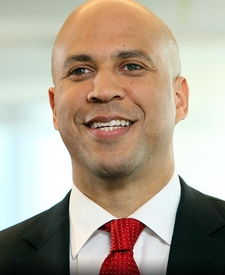
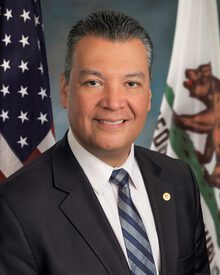

Legislative Progress
In CommitteeMr. Booker (for himself, Mr. Heinrich, Mr. Padilla, Ms. Warren, …
Read twice and referred to the Committee on Finance.
Introduced in Senate
Stakeholder Effects
cui bono?How this legislation distributes effects. Mention counts reflect frequency, not effect magnitude.
Deferred action recipients and federally authorized presence holders, Immigrant sponsors, Lawfully present immigrants
Federal Medicaid program, Federal Treasury (premium subsidy outlays), Federal government (subsidy costs)
ACA marketplace plans, Health insurance exchanges
Healthcare providers serving immigrant populations
Bill Structure & Actor Mappings
Who is "The Secretary" in each section?
- "the_secretary"
- → Secretary of Health and Human Services
- "the_secretary"
- → Secretary of Health and Human Services
Key Definitions
Terms defined in this bill
Individuals granted Federally authorized presence in the United States, considered lawfully present for purposes of health coverage eligibility.
Medical assistance for all services covered under the State Medicaid plan that is not less in amount, duration, or scope than assistance available for categorically eligible individuals.
Includes at minimum all immigration categories treated as lawfully present for purposes of Medicaid as amended by section 3.
We use a combination of our own taxonomy and classification in addition to large language models to assess meaning and potential beneficiaries. High confidence means strong textual evidence. Always verify with the original bill text.
Learn more about our methodology