A bill to improve the safety and security of Members of Congress, immediate family members of Members of Congress, and congressional staff.
Summary
What This Bill Does
This bill creates a personal-information safety framework for Members of Congress, immediate family members, household members, former Members, designated congressional staff, and congressional candidates. It bars government agencies from publicly posting covered information, requires removal within 72 hours after a written request, and lets applicable legislative officers submit bulk requests for covered congressional personnel.
The bill also reaches private actors. Data brokers may not knowingly sell, license, trade, or purchase covered information of protected individuals, and websites or online platforms must remove covered information and stop transferring it after a valid request. Protected people can sue for injunctive or declaratory relief when covered information is disclosed in violation of the statute.
Who Benefits and How
Members of Congress, immediate family members, household members, former Members, designated congressional staff, and congressional candidates benefit because home addresses, personal phone numbers, Social Security numbers, family information, and similar data become harder to publish or monetize. The Sergeant at Arms of the Senate, Secretary of the Senate, and House Sergeant at Arms gain statutory authority to submit protection requests for covered congressional personnel.
Who Bears the Burden and How
Government agencies must identify and remove covered information from public records within the statutory deadline after receiving a valid request. Data brokers, websites, search platforms, and online services must build removal and transfer controls for covered information. Operators that ignore requests face litigation risk from protected individuals seeking court orders.
Key Provisions
- Defines covered information and protected at-risk individuals, including Members of Congress, former Members, immediate family members, household members, designated congressional employees, and candidates.
- Requires government agencies to remove covered information from public records within 72 hours after a written request.
- Prohibits data brokers from knowingly selling, licensing, trading, purchasing, or otherwise making covered information available.
- Requires websites and online platforms to remove covered information and stop transferring it after a valid request.
- Authorizes applicable legislative officers to submit requests on behalf of protected congressional personnel.
- Creates a private right of action for injunctive or declaratory relief when covered information is disclosed unlawfully.
Evidence Chain:
This summary is generated from the full bill text using AI analysis. Expand "Detailed Analysis" below for identified beneficiaries/burden bearers with clause-level evidence links.
At a Glance
What This Bill Does
Creates a personal-information protection framework for Members of Congress, families, congressional staff, former Members, and candidates by restricting public posting, data-broker sales, online transfers, and delayed removal of covered information.
Key Policy Areas
Congressional Operations, Technology, Privacy
Primary Purpose
Creates a personal-information protection framework for Members of Congress, families, congressional staff, former Members, and candidates by restricting public posting, data-broker sales, online transfers, and delayed removal of covered information.
Policy Domains
Whole bill
Identified Gains
- Members of Congress
- Immediate family members of Members of Congress
- Designated congressional staff
- Former Members of Congress
- Congressional candidates
Identified Costs
- Government agencies
- Data brokers
- Websites and online platforms
- Search and data services
Sponsors

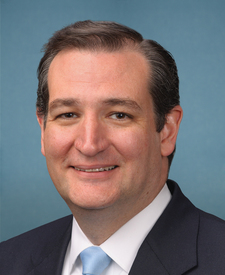
Amy Klobuchar
D-MN | Primary Sponsor
Legislative Progress
Passed SenateHeld at the desk.
Received in the House.
Message on Senate action sent to the House.
Passed Senate with an amendment by Unanimous Consent. (text: CR …
Passed/agreed to in Senate: Passed Senate with an amendment by …
Measure laid before Senate by unanimous consent. (consideration: CR S6844)
Senate Committee on Homeland Security and Governmental Affairs discharged by …
Ms. Klobuchar (for herself and Mr. Cruz) introduced the following …
Passed Senate (inferred from es version)
Introduced in Senate
Stakeholder Effects
cui bono?How this legislation distributes effects. Mention counts reflect frequency, not effect magnitude.
Congressional candidates, Congressional staff under threat, Designated congressional employees
Positive-direction: Congressional candidates, Congressional staff under threat, Designated congressional employees, Former Members of Congress
Negative-direction: Federal government agencies
Immediate family members of Members of Congress
Bill Structure & Actor Mappings
Who is "The Secretary" in each section?
- "secretary"
- → Secretary or agency head named in the operative section
- "administrator"
- → Administrator named in the operative section
We use a combination of our own taxonomy and classification in addition to large language models to assess meaning and potential beneficiaries. High confidence means strong textual evidence. Always verify with the original bill text.
Learn more about our methodology