REUSE Act of 2025
Summary
What This Bill Does
Requires the EPA Administrator to study and publicly report on the feasibility of reuse and refill systems across consumer product sectors, including best practices, barriers, and opportunities for broader adoption.
Who Benefits and How
Reuse and refill businesses, waste-reduction advocates, and policymakers could gain a federal evidence base supporting alternatives to single-use packaging and products.
Who Bears the Burden and How
EPA must complete and publish the report, and businesses in covered sectors may face future policy pressure or operational expectations if the report recommends broader reuse and refill adoption.
Key Provisions
- Requires EPA to examine reuse and refill systems across food service, beverages, cleaning products, personal care products, shipping, and education.
- Directs EPA to assess feasibility, best practices, and implementation barriers.
- Requires public release of the report within two years.
- Uses the report to develop a stronger factual basis for circular-economy policy discussions.
Evidence Chain:
This summary is generated from the full bill text using AI analysis. Expand "Detailed Analysis" below for identified beneficiaries/burden bearers.
At a Glance
What This Bill Does
Requires the EPA Administrator to study and publicly report on the feasibility of reuse and refill systems across consumer product sectors, including best practices, barriers, and opportunities for broader adoption.
Key Policy Areas
Environment, Waste Management, Consumer Products
Primary Purpose
Requires the EPA Administrator to study and publicly report on the feasibility of reuse and refill systems across consumer product sectors, including best practices, barriers, and opportunities for broader adoption.
Policy Domains
Main Provisions
Identified Gains
Contextual inference, no direct clause citation- Reuse and refill businesses, waste-reduction advocates, and public institutions interested in lower-waste systems
Contextual inference, no direct clause citation
Identified Costs
Contextual inference, no direct clause citation- EPA administrators and sectors that may later face policy changes based on the report's findings
Contextual inference, no direct clause citation
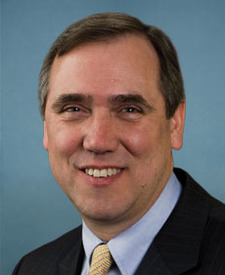
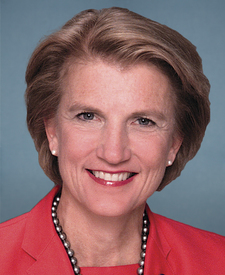
Sponsors
Legislative Progress
Passed SenateHeld at the desk.
Received in the House.
Message on Senate action sent to the House.
Passed Senate without amendment by Unanimous Consent. (consideration: CR S8398; …
Passed/agreed to in Senate: Passed Senate without amendment by Unanimous …
Reported by Mrs. Capito, without amendment
Passed Senate (inferred from es version)
Placed on Senate Legislative Calendar under General Orders. Calendar No. …
Committee on Environment and Public Works. Reported by Senator Capito …
Committee on Environment and Public Works. Ordered to be reported …
Stakeholder Effects
cui bono?How this legislation distributes effects. Mention counts reflect frequency, not effect magnitude.
Bill Structure & Actor Mappings
Who is "The Secretary" in each section?
We use a combination of our own taxonomy and classification in addition to large language models to assess meaning and potential beneficiaries. High confidence means strong textual evidence. Always verify with the original bill text.
Learn more about our methodology