To improve border security through regular assessments and evaluations of the Checkpoint Program Management Office and effective training of U.S. Border Patrol agents regarding drug seizures.
Sponsors
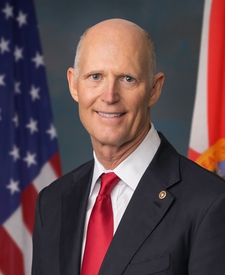
Rick Scott
R-FL | Primary Sponsor
Legislative Progress
IntroducedMr. Scott of Florida (for himself and Mr. Gallego) introduced …
Summary
What This Bill Does
This bill (the "CHECKPOINT Act") establishes a Checkpoint Program Management Office (CPMO) within U.S. Border Patrol to provide centralized oversight of all permanent and temporary border checkpoints nationwide. It mandates standardized training, data collection on apprehensions and drug seizures, and annual congressional reporting on checkpoint operations.
Who Benefits and How
- U.S. citizens and border communities benefit from improved border security through more consistent and effective checkpoint operations, standardized drug seizure training for agents, and better data collection on smuggling and illegal crossings.
- Congress benefits from increased oversight through required annual reports on checkpoint effectiveness, surveillance technology purchases, and GAO effectiveness reviews.
Who Bears the Burden and How
- U.S. Customs and Border Protection and U.S. Border Patrol bear the implementation burden, as they must establish the new CPMO office, designate points of contact in each sector, develop new policies and training curricula, and collect and report data on checkpoint operations - all without additional funding authorization.
- The Commissioner and Chief must coordinate with multiple CBP divisions and ensure data quality and accuracy across all checkpoint operations.
Key Provisions
- Establishes the Checkpoint Program Management Office (CPMO) within U.S. Border Patrol with an Assistant Chief serving a minimum 2-year term
- Requires designated checkpoint points of contact in each Border Patrol sector to serve as liaisons with CPMO
- Mandates regular data collection on apprehensions, seizures, technology use, canine assists, and checkpoint circumvention attempts
- Requires annual congressional reports on checkpoint data and surveillance technology purchases
- Includes a 5-year sunset provision and authorizes no additional funding
Evidence Chain:
This summary is derived from the structured analysis below. See "Detailed Analysis" for per-title beneficiaries/burden bearers with clause-level evidence links.
Primary Purpose
The bill aims to enhance border security by establishing a Checkpoint Program Management Office (CPMO) within the U.S. Border Patrol, focusing on oversight and training for drug seizures.
Policy Domains
Bill Structure & Actor Mappings
Who is "The Secretary" in each section?
- "the_secretary"
- → Secretary of Homeland Security
- "the_commissioner"
- → Commissioner for U.S. Customs and Border Protection
Key Definitions
Terms defined in this bill
The Chief of the U.S. Border Patrol, responsible for overall management and coordination with CPMO.
The Assistant Chief selected to manage the CPMO, responsible for overseeing checkpoint operations and training.
Checkpoint Program Management Office, established to provide oversight and training for checkpoint operations.
We use a combination of our own taxonomy and classification in addition to large language models to assess meaning and potential beneficiaries. High confidence means strong textual evidence. Always verify with the original bill text.
Learn more about our methodology