To authorize the payment of a travel or transportation allowance for a member of the uniformed services to travel to obtain professional development training only if such training relates to the military occupational specialty of the member and not to the sex, sexual orientation, race, or religion of the member.
Analysis under review: This bill has generated analysis that may be too generic or incomplete. Clause-level evidence remains available below.
Summary
What This Bill Does
This bill, To authorize the payment of a travel or transportation allowance for a member of the uniformed services to travel to obtain professional development training only if such training relates to the military occupational specialty of the member and not to the sex, sexual orientation, race, or religion of the member., changes federal law or congressional policy affecting defense agencies, service members, and defense contractors. The main policy domain is Defense, Transportation, Immigration.
Who Benefits and How
defense agencies, service members, and defense contractors may benefit from new authority, funding, eligibility, regulatory clarity, or reduced risk created by the bill.
Who Bears the Burden and How
federal implementing agencies, defense agencies, service members, and defense contractors may take on implementation duties, reporting obligations, compliance costs, or oversight responsibilities.
Key Provisions
- Section id8e17baf01114448e99418fd0f75108ea: 1. Short title This Act may be cited as the Banning Overspending On Non-Defense Objectives at Gratuitous Gatherings and Learning Events Act or the BOONDOGGLE...
- Section idad6684f8ab6043fb96f483b9739addf3: 2. Limitations on professional development travel and transportation allowances Section 453 of title 37, United States Code, is amended by adding at the end...
Evidence Chain:
This summary is generated from the full bill text using AI analysis. Expand "Detailed Analysis" below for identified beneficiaries/burden bearers.
At a Glance
What This Bill Does
This bill, To authorize the payment of a travel or transportation allowance for a member of the uniformed services to travel to obtain professional development training only if such training relates to the military occupational specialty of the member and not to the sex, sexual orientation, race, or religion of the member., changes federal law or congressional policy affecting defense agencies, service members, and defense contractors.
Key Policy Areas
Defense, Transportation, Immigration
Primary Purpose
This bill, To authorize the payment of a travel or transportation allowance for a member of the uniformed services to travel to obtain professional development training only if such training relates to the military occupational specialty of the member and not to the sex, sexual orientation, race, or religion of the member., changes federal law or congressional policy affecting defense agencies, service members, and defense contractors.
Policy Domains
Whole bill
Identified Gains
Contextual inference, no direct clause citation- defense agencies, service members, and defense contractors
Contextual inference, no direct clause citation
Identified Costs
Contextual inference, no direct clause citation- federal implementing agencies
- defense agencies, service members, and defense contractors
Contextual inference, no direct clause citation
Sponsors

Legislative Progress
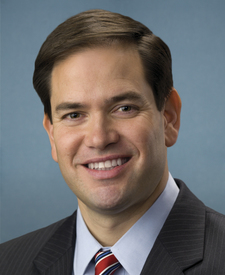
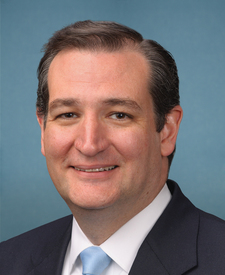
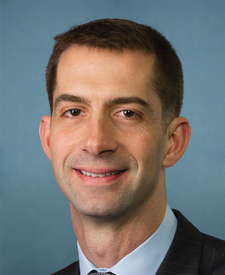
IntroducedMr. Rubio (for himself, Mr. Cotton, Mr. Cassidy, and Mr. …
Bill Structure & Actor Mappings
Who is "The Secretary" in each section?
- "federal_implementing_agencies"
- → Federal agencies assigned duties by the bill
We use a combination of our own taxonomy and classification in addition to large language models to assess meaning and potential beneficiaries. High confidence means strong textual evidence. Always verify with the original bill text.
Learn more about our methodology