Molly R. Loomis Research for Descendants of Toxic Exposed Veterans Act of 2025
Summary
What This Bill Does
Requires VA research on diagnosis and treatment of health conditions affecting descendants of individuals exposed to toxic substances while serving in the Armed Forces.
Who Benefits and How
Children and descendants of toxic-exposed veterans benefit because VA must study diagnosis and treatment of health conditions that may be connected to parental or ancestral military toxic exposure. Toxic-exposed veterans and veteran families benefit from federal attention to intergenerational health concerns. VA researchers and clinicians benefit from a clearer research mandate under the PACT Act framework.
Who Bears the Burden and How
VA research offices must design, fund, or coordinate studies on descendants' health conditions. Federal taxpayers bear research costs. Researchers must handle sensitive family, exposure, and health data. The bill does not itself create a presumption of service connection or direct compensation for descendants.
Key Provisions
- Amends the PACT Act research authority.
- Requires research on diagnosis of health conditions in descendants of toxic-exposed service members.
- Requires research on treatment of those health conditions.
- Focuses on descendants rather than only exposed veterans themselves.
- Creates a research mandate without directly creating new compensation benefits.
Evidence Chain:
This summary is generated from the full bill text using AI analysis. Expand "Detailed Analysis" below for identified beneficiaries/burden bearers with clause-level evidence links.
At a Glance
What This Bill Does
Requires VA research on diagnosis and treatment of health conditions affecting descendants of individuals exposed to toxic substances while serving in the Armed Forces.
Key Policy Areas
Veterans, Toxic Exposure, Medical Research
Primary Purpose
Requires VA research on diagnosis and treatment of health conditions affecting descendants of individuals exposed to toxic substances while serving in the Armed Forces.
Policy Domains
House resolution provisions
Identified Gains
- Descendants of toxic-exposed veterans
- Toxic-exposed veterans
- Veteran families
- VA researchers
- VA clinicians
Identified Costs
- VA research offices
- Federal taxpayers
- Medical researchers
- Veteran families providing health data
Sponsors
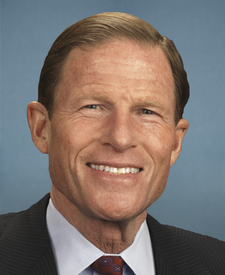
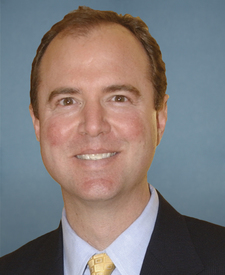

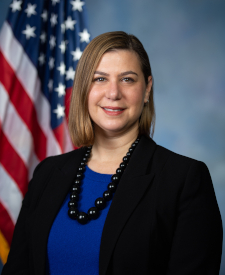
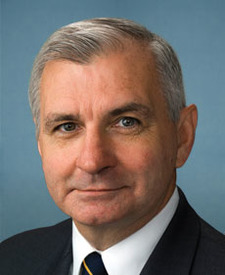
Legislative Progress
ReportedCommittee on Veterans' Affairs. Ordered to be reported with an …
Committee on Veterans' Affairs. Hearings held.
Committee on Veterans' Affairs. Hearings held. Hearings printed: S.Hrg. 119-247.
Mr. Blumenthal (for himself and Mrs. Murray) introduced the following …
Read twice and referred to the Committee on Veterans' Affairs.
Introduced in Senate
Stakeholder Effects
cui bono?How this legislation distributes effects. Mention counts reflect frequency, not effect magnitude.
Bill Structure & Actor Mappings
Who is "The Secretary" in each section?
- "va"
- → Department of Veterans Affairs
We use a combination of our own taxonomy and classification in addition to large language models to assess meaning and potential beneficiaries. High confidence means strong textual evidence. Always verify with the original bill text.
Learn more about our methodology