To improve air quality management and the safety of communities using the best available monitoring technology and data.
Analysis under review: This bill has generated analysis that may be too generic or incomplete. Clause-level evidence remains available below.
Summary
What This Bill Does
This bill, To improve air quality management and the safety of communities using the best available monitoring technology and data., changes federal law or congressional policy affecting civil-rights stakeholders and affected communities. The main policy domain is Civil Rights, Government Operations, Environment.
Who Benefits and How
civil-rights stakeholders and affected communities may benefit from new authority, funding, eligibility, regulatory clarity, or reduced risk created by the bill.
Who Bears the Burden and How
federal implementing agencies, civil-rights stakeholders and affected communities may take on implementation duties, reporting obligations, compliance costs, or oversight responsibilities.
Key Provisions
- Section H851925D27FC74721A01618425BF4A35F: 1. Short title This Act may be cited as the Technology Assessment for Air Quality Management Act of 2023.
- Section HC9E75BEBD427400D9E3658DD27BF88FA: 2. Findings Congress finds that— the Environmental Protection Agency can further strengthen air quality planning and management by consistently gathering...
- Section H46F9FCA5811245A4ADDFD03FAE25F7C8: 3. Definitions In this Act: The term Administrator means the Administrator of the Environmental Protection Agency. The term air pollutant has the meaning given...
- Section H15CDE4B48AF2412FB2A7152C934EF605: 4. Compendium of air quality monitoring technologies and uses of air quality insights Not later than 1 year after the date of enactment of this Act, and...
- Section H9B56D01969D249839E3EC0764D47CC62: 5. Air Quality Technology Working Group Not later than 180 days after the date of enactment of this Act, the Administrator shall establish an Air Quality...
Evidence Chain:
This summary is generated from the full bill text using AI analysis. Expand "Detailed Analysis" below for identified beneficiaries/burden bearers with clause-level evidence links.
At a Glance
What This Bill Does
This bill, To improve air quality management and the safety of communities using the best available monitoring technology and data., changes federal law or congressional policy affecting civil-rights stakeholders and affected communities.
Key Policy Areas
Civil Rights, Government Operations, Environment
Primary Purpose
This bill, To improve air quality management and the safety of communities using the best available monitoring technology and data., changes federal law or congressional policy affecting civil-rights stakeholders and affected communities.
Policy Domains
Whole bill
Identified Gains
- civil-rights stakeholders and affected communities
Identified Costs
- federal implementing agencies
- civil-rights stakeholders and affected communities
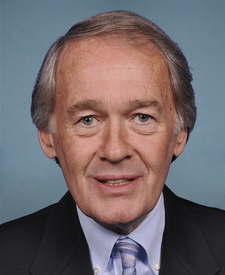
Sponsors




Legislative Progress
IntroducedMr. Markey (for himself, Mr. Bennet, Mr. Blumenthal, Mr. Booker, …
Impact analysis is available but no clear stakeholder effects identified. View clause-level analysis →
Bill Structure & Actor Mappings
Who is "The Secretary" in each section?
- "administrator_of_epa"
- → Administrator of the Environmental Protection Agency
Key Definitions
Terms defined in this bill
the data returned by a hyperlocal air quality monitoring system. The term hyperlocal data may include data on— the health impacts of air pollution
We use a combination of our own taxonomy and classification in addition to large language models to assess meaning and potential beneficiaries. High confidence means strong textual evidence. Always verify with the original bill text.
Learn more about our methodology