To provide for certain authorities of the Department of State, and for other purposes.
Analysis under review: This bill has generated analysis that may be too generic or incomplete. Clause-level evidence remains available below.
Summary
What This Bill Does
This legislation authorizes funding and programs for the Department of State for fiscal years 2024-2028. It modernizes consular services (including passport processing), reforms personnel hiring and retention policies, establishes new positions for AI and data science, strengthens cybersecurity partnerships with allies, and implements the AUKUS trilateral security partnership between the US, UK, and Australia.
Who Benefits and How
Foreign Service officers and civil servants benefit from expanded hiring authorities, streamlined lateral entry programs, enhanced mental health services, and improved benefits like education allowances and per diem for training. Defense contractors and technology companies benefit from expedited export licensing for sales to Australia and the UK under AUKUS. International broadcasting organizations receive continued funding authority.
Who Bears the Burden and How
Foreign government officials involved in corruption face visa restrictions and sanctions under new anti-corruption provisions. Countries with significant corruption face tiered ranking and potential sanctions. The State Department faces extensive new reporting requirements to Congress. Officials with substantiated harassment or discrimination claims face enhanced vetting for senior positions.
Key Provisions
- Makes permanent the Western Hemisphere Travel Initiative passport fee and modernizes consular systems
- Creates Chief Artificial Intelligence Officer position and Bureau Chief Data Officer Program
- Establishes $150 million Cyberspace, Digital Connectivity, and Technology (CDT) fund
- Implements AUKUS partnership with expedited arms exports to Australia and UK
- Creates tiered ranking system for countries on corruption with potential sanctions
Evidence Chain:
This summary is generated from the full bill text using AI analysis. Expand "Detailed Analysis" below for identified beneficiaries/burden bearers.
At a Glance
What This Bill Does
Authorizes appropriations and establishes programs for the Department of State, modernizing personnel systems, enhancing cybersecurity and AI capabilities, strengthening economic diplomacy, and implementing the AUKUS defense partnership.
Key Policy Areas
Foreign Affairs, Government Operations, Cybersecurity, Defense, International Trade, Public Diplomacy, Anti-Corruption
Primary Purpose
Authorizes appropriations and establishes programs for the Department of State, modernizing personnel systems, enhancing cybersecurity and AI capabilities, strengthening economic diplomacy, and implementing the AUKUS defense partnership.
Policy Domains
Title I - Consular Services and Related Matters
Identified Gains
Contextual inference, no direct clause citation- American passport applicants
- State Department personnel
- Diplomatic Security personnel
Contextual inference, no direct clause citation
Identified Costs
Contextual inference, no direct clause citation- State Department bureaus (reporting requirements)
- Foreign Service Institute
Contextual inference, no direct clause citation
Title V - Economic Diplomacy
Identified Gains
Contextual inference, no direct clause citation- US businesses seeking overseas opportunities
- Foreign Service economic officers
- Embassy deal teams
Contextual inference, no direct clause citation
Identified Costs
Contextual inference, no direct clause citation- Chiefs of mission (expanded economic responsibilities)
Contextual inference, no direct clause citation
Title II - Department Personnel
Identified Gains
Contextual inference, no direct clause citation- Foreign Service officers
- Civil servants at State Department
- Locally employed staff
- Tandem couples
Contextual inference, no direct clause citation
Identified Costs
Contextual inference, no direct clause citation- Officials with substantiated harassment claims
- State Department (increased reporting)
Contextual inference, no direct clause citation
Title IV - Organizational Matters
Identified Gains
Contextual inference, no direct clause citation- Personal services contractors
- Embassy personnel at hard-to-fill posts
Contextual inference, no direct clause citation
Identified Costs
Contextual inference, no direct clause citation- Office of Civil Rights (oversight)
Contextual inference, no direct clause citation
Title IX - AUKUS Partnership
Identified Gains
Contextual inference, no direct clause citation- US defense contractors
- Australian defense industry
- UK defense industry
- Submarine manufacturers
Contextual inference, no direct clause citation
Identified Costs
Contextual inference, no direct clause citation- Competitors to AUKUS nations
- Chinese defense interests in Indo-Pacific
Contextual inference, no direct clause citation
Title VI - Public Diplomacy
Identified Gains
Contextual inference, no direct clause citation- Radio Free Europe/Radio Liberty
- International broadcasting entities
- Civil rights fellowship participants
Contextual inference, no direct clause citation
Identified Costs
Contextual inference, no direct clause citation- Global Engagement Center (extended mandate)
Contextual inference, no direct clause citation
Title III - Information Technology, Cybersecurity, and AI
Identified Gains
Contextual inference, no direct clause citation- Technology companies in allied countries
- Data science professionals
- Cybersecurity firms
- US tech sector
Contextual inference, no direct clause citation
Identified Costs
Contextual inference, no direct clause citation- Foreign malign actors using AI for disinformation
- Chinese technology firms
Contextual inference, no direct clause citation
Title VII - Miscellaneous
Identified Gains
Contextual inference, no direct clause citation- International Energy Forum
- CERN
- US nationals at international organizations
- Afghan special immigrant visa applicants
Contextual inference, no direct clause citation
Identified Costs
Contextual inference, no direct clause citation- Foreign officials involved in corruption
- Foreign officials violating human rights
Contextual inference, no direct clause citation
Title VIII - Combating Global Corruption Act
Identified Gains
Contextual inference, no direct clause citation- Anti-corruption NGOs
- Transparent governance advocates
- US diplomatic leverage
Contextual inference, no direct clause citation
Identified Costs
Contextual inference, no direct clause citation- Corrupt foreign government officials
- Countries with high corruption
- Kleptocratic regimes
Contextual inference, no direct clause citation
Sponsors
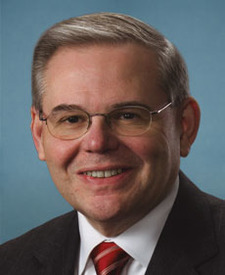
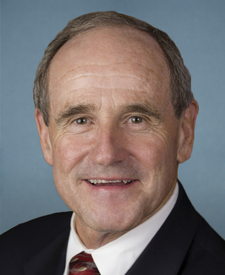
Legislative Progress
IntroducedMr. Menendez (for himself and Mr. Risch) introduced the following …
Stakeholder Effects
cui bono?How this legislation distributes effects. Mention counts reflect frequency, not effect magnitude.
Breastfeeding employees at embassies and consulates, Bureau of Consular Affairs, Bureau of Democracy, Human Rights, and Labor
Department of State, Department of State Passport Services, Department of State and USAID, Foreign Service economic officers face effects in multiple directions
Positive-direction: Breastfeeding employees at embassies and consulates, Bureau of Diplomatic Security, Bureau of Medical Services, Civil servants at Department of State, Congress, Department employees experiencing workplace misconduct, Department employees serving in uniformed services, Department employees stationed in US territories, Department of Defense, Department of State Bureau of Democracy, Human Rights, and Labor, Department of State Foreign Service, Department of State and USAID employees, Department of State personnel with pets, Department personnel in positions vulnerable to cyber attacks, Diplomatic Security Service, Embassy deal team members, Embassy personnel in conflict zones, Foreign Service and civil servants at State Department, Foreign Service and civil service employees, Foreign Service members, Foreign Service officers assigned to international organizations, Foreign Service officers at hard-to-fill posts, Former State Department and USAID interns, Locally employed staff, Locally employed staff at US diplomatic posts, Locally employed staff at US embassies, Mid-career Foreign Service and civil service employees, Mid-career State Department employees, Non-chief of mission personnel at embassies, Non-chief of mission personnel needing emergency care, Senior Executive Service professionals, State Department Chief Information Officer, State Department civil servants, State Department employees, State Department employees experiencing workplace misconduct, State Department employees serving in uniformed services, State Department personnel with pets, Tandem Foreign Service couples
Negative-direction: Bureau of Consular Affairs, Chiefs of mission, Chiefs of mission and ambassadors, Chiefs of mission in high-corruption countries, Department of State Bureau of Consular Affairs, Department of State Consular Affairs, Department of State Crisis Management Office, Department of State HR/Personnel, Department of State Office of Civil Rights, Department of State and DHS, Department of State and DoD, Department of State and federal agencies, Department of State bureaus and offices, Department of State economic affairs bureaus, Department of State personnel management, Executive Branch, Foreign Service Institute, Foreign Service employees with substantiated misconduct, Office of Civil Rights, Officials with substantiated harassment or discrimination claims, US embassy deal teams
ASEAN member nations, Australia and UK defense partners, Australia and UK defense procurement
Positive-direction: ASEAN member nations, Australia and UK defense partners, Australia and UK defense procurement, Australia defense forces, Australia, UK, and Canada defense procurement, Countries experiencing cultural heritage crises, Countries experiencing cyber incidents, Countries with at-risk cultural heritage, Foreign governments and digital infrastructure, Foreign governments and institutions, Foreign governments and international organizations, Foreign governments in emerging markets, Foreign governments receiving CDT assistance, Foreign governments receiving cybersecurity assistance, Pacific Island nations, UK and Australia defense trade
Negative-direction: Countries discriminating against US citizens, Countries with significant corruption, Foreign government officials engaged in corruption, Foreign government officials involved in corruption, Foreign governments, Foreign military partners receiving US assistance, Foreign officials involved in corruption, Foreign persons engaged in significant corruption, Other foreign military sales customers
AI and social media companies, AI technology companies, AI technology vendors
Chinese students from national defense universities, Educational institutions, Educational institutions with civil rights programs
Positive-direction: Educational institutions, Educational institutions with civil rights programs, Educational institutions with international affairs programs, Fellowship program participants, International exchange program participants, Research institutions focused on ASEAN, Students and researchers studying civil rights movements, US students seeking international organization careers, US students studying civil rights movements, US undergraduate students pursuing diplomatic security careers, Undergraduate students pursuing security careers
Negative-direction: Chinese students from national defense universities
Afghan special immigrant visa applicants, American passport applicants, Belarus civil society and democratic opposition
Australian submarine industry workers, UK and Australian defense importers, US advanced technology defense exporters
European Organization for Nuclear Research, International Energy Forum Secretariat, US nationals serving with international organizations
Positive-direction: European Organization for Nuclear Research, International Energy Forum Secretariat
Negative-direction: US nationals serving with international organizations
US businesses and NGOs, US businesses engaged with Southeast Asia, US businesses in foreign markets
Bill Structure & Actor Mappings
Who is "The Secretary" in each section?
- "the_secretary"
- → Secretary of State
- "the_department"
- → Department of State
- "the_secretary"
- → Secretary of State
- "the_department"
- → Department of State
- "the_administrator"
- → Administrator of USAID
- "the_secretary"
- → Secretary of State
- "chief_ai_officer"
- → Chief Artificial Intelligence Officer
- "chief_data_officer"
- → Department Chief Data Officer
- "chief_information_officer"
- → Chief Information Officer
- "the_president"
- → President of the United States
- "the_secretary"
- → Secretary of State
- "the_secretary"
- → Secretary of State
- "economic_officers"
- → Foreign Service Officers performing economic functions
- "the_secretary"
- → Secretary of State
- "the_administrator"
- → Administrator of USAID
- "the_president"
- → President of the United States
- "the_secretary"
- → Secretary of State
- "the_secretary"
- → Secretary of State
- "secretary_of_treasury"
- → Secretary of the Treasury
- "the_president"
- → President of the United States
- "the_secretary"
- → Secretary of State
- "senior_advisor"
- → Senior Advisor for the AUKUS partnership
Note: The Secretary consistently refers to the Secretary of State throughout the bill, no conflicts identified
Key Definitions
Terms defined in this bill
Any foreign person or entity that is a government official or government entity responsible for or complicit in corruption
The trilateral security partnership between Australia, the United Kingdom, and the United States
The Committee on Foreign Relations of the Senate and the Committee on Foreign Affairs of the House of Representatives
Department of State
Secretary of State
We use a combination of our own taxonomy and classification in addition to large language models to assess meaning and potential beneficiaries. High confidence means strong textual evidence. Always verify with the original bill text.
Learn more about our methodology