To amend the Fair Labor Standards Act of 1938 to provide for increases in the minimum wage, and for other purposes.
Analysis under review: This bill has generated analysis that may be too generic or incomplete. Clause-level evidence remains available below.
Summary
What This Bill Does
The bill requires raises federal minimum wage to $15/hour and indexes it annually to inflation (CPI-W). It relies on compliance mandates and product standards. The main policy areas are Agriculture, Trade, Labor, and Finance.
Who Benefits and How
The available clause analysis does not identify a specific beneficiary group.
Who Bears the Burden and How
Small business employers could face higher costs, Restaurant and food service employers could face higher costs, and Retail businesses could face higher costs.
Key Provisions
- Requires raises federal minimum wage to $15/hour and indexes it annually to inflation (CPI-W).
Evidence Chain:
This summary is generated from the full bill text using AI analysis. Expand "Detailed Analysis" below for identified beneficiaries/burden bearers with clause-level evidence links.
At a Glance
What This Bill Does
The bill requires raises federal minimum wage to $15/hour and indexes it annually to inflation (CPI-W).
Key Policy Areas
Agriculture, Trade, Labor, Finance
Primary Purpose
The bill requires raises federal minimum wage to $15/hour and indexes it annually to inflation (CPI-W).
Policy Domains
Entire Bill - Fair Labor Standards Act Amendment
Identified Costs
- Small business employers
- Restaurant and food service employers
- Retail businesses
- Hospitality industry employers (hotels, motels, resorts)
- Agriculture employers
Sponsors
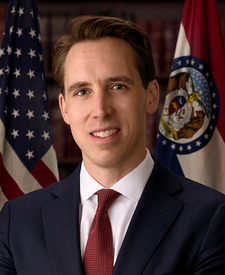
Josh Hawley
R-MO | Primary Sponsor
Legislative Progress
IntroducedMr. Hawley (for himself and Mr. Welch) introduced the following …
Stakeholder Effects
cui bono?How this legislation distributes effects. Mention counts reflect frequency, not effect magnitude.
Hospitality industry employers (hotels, motels, resorts)
Bill Structure & Actor Mappings
Who is "The Secretary" in each section?
- "the_secretary"
- → Secretary of Labor
Key Definitions
Terms defined in this bill
$15 beginning January 1 of first year after enactment; thereafter indexed to CPI-W annually
The inflation measure (or successor index) published by the Bureau of Labor Statistics used to calculate annual minimum wage increases
We use a combination of our own taxonomy and classification in addition to large language models to assess meaning and potential beneficiaries. High confidence means strong textual evidence. Always verify with the original bill text.
Learn more about our methodology