To amend the Fair Labor Standards Act of 1938 to provide for increases in the minimum wage, and for other purposes.
Analysis under review: This bill has generated analysis that may be too generic or incomplete. Clause-level evidence remains available below.
Summary
What This Bill Does
The Higher Wages for American Workers Act increases the federal minimum wage to $15 per hour starting January 1 of the first year after enactment. It also creates an automatic annual cost-of-living adjustment by indexing the minimum wage to inflation (Consumer Price Index for Urban Wage Earners and Clerical Workers), ensuring the minimum wage keeps pace with rising prices each year.
Who Benefits and How
Low-wage workers across the United States earning less than $15 per hour receive an immediate pay raise to $15 per hour, with guaranteed annual increases tied to inflation. This particularly helps workers in service industries like retail, food service, hospitality, and agriculture—sectors that typically employ many minimum wage workers. Workers in states where the current minimum wage is below $15 will see the most significant impact.
Who Bears the Burden and How
Employers, especially small businesses and companies in labor-intensive industries like restaurants, retail stores, hotels, and farms, face increased labor costs as they must pay higher wages to their employees. These employers may need to adjust prices, reduce hours, or make other operational changes to absorb the increased payroll expenses. The Department of Labor takes on additional administrative work to calculate and publish the new inflation-adjusted minimum wage every September 30.
Key Provisions
- Sets a new federal minimum wage floor of $15 per hour effective January 1 of the first year after the bill becomes law
- Requires the Secretary of Labor to calculate an inflation-adjusted minimum wage every September 30, starting in the first year after enactment
- Uses the Consumer Price Index for Urban Wage Earners and Clerical Workers (CPI-W) as the inflation measure, comparing the 12-month period ending each July
- Rounds the calculated wage to the nearest $0.05 increment
- Automatic wage increases take effect each January 1, beginning in the second year after enactment
Evidence Chain:
This summary is generated from the full bill text using AI analysis. Expand "Detailed Analysis" below for identified beneficiaries/burden bearers.
At a Glance
What This Bill Does
Increases the federal minimum wage to $15 per hour and indexes it to inflation annually
Who Benefits
- Low-wage workers (earning below $15/hour)
- Service industry employees
- Retail workers
Who Bears Costs
- Small business employers
- Restaurants and food service establishments
- Retail businesses
Key Policy Areas
Labor & Employment, Wages & Hours, Economic Policy
Primary Purpose
Increases the federal minimum wage to $15 per hour and indexes it to inflation annually
Policy Domains
Legislative Strategy
"Establish a nationwide $15 minimum wage floor and prevent erosion of purchasing power through automatic annual inflation adjustments"
Identified Gains
- Low-wage workers (earning below $15/hour)
- Service industry employees
- Retail workers
- Food service workers
- Workers in states with minimum wage below $15
Identified Costs
- Small business employers
- Restaurants and food service establishments
- Retail businesses
- Hospitality industry employers
- Employers in low-wage states
Sponsors
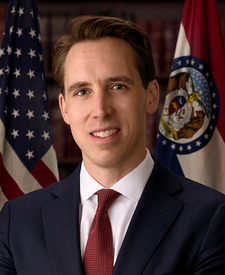
Josh Hawley
R-MO | Primary Sponsor
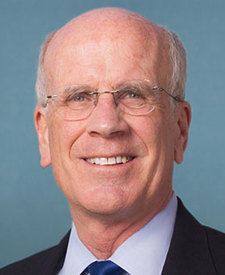
Legislative Progress
IntroducedMr. Hawley (for himself and Mr. Welch) introduced the following …
Stakeholder Effects
cui bono?How this legislation distributes effects. Mention counts reflect frequency, not effect magnitude.
Hospitality industry employers (hotels, motels, resorts)
Bill Structure & Actor Mappings
Who is "The Secretary" in each section?
- "the_secretary"
- → Secretary of Labor
Key Definitions
Terms defined in this bill
$15 beginning January 1 of first year after enactment; thereafter indexed to CPI-W annually
The inflation measure (or successor index) published by the Bureau of Labor Statistics used to calculate annual minimum wage increases
We use a combination of our own taxonomy and classification in addition to large language models to assess meaning and potential beneficiaries. High confidence means strong textual evidence. Always verify with the original bill text.
Learn more about our methodology