Runaway and Homeless Youth and Trafficking Prevention Act of 2025
Analysis under review: This bill has generated analysis that may be too generic or incomplete. Clause-level evidence remains available below.
Summary
What This Bill Does
This bill reauthorizes and updates the Runaway and Homeless Youth Act through 2030. It extends and improves federal grant programs that provide shelter, counseling, and support services to young people who are homeless, runaway, or at risk of trafficking. The bill adds new requirements for trauma-informed care, modernizes communications systems to include online and social media outreach, and establishes explicit nondiscrimination protections.
Who Benefits and How
Nonprofit organizations and public agencies that serve homeless youth receive more stable 5-year grants (previously shorter terms) ranging from $200,000-$275,000, with a 90-day advance notice requirement. Homeless and runaway youth benefit from expanded services including trauma-informed care, trafficking prevention, and protections against discrimination based on race, sex, gender identity, and sexual orientation. Youth service providers gain administrative flexibility through new waiver provisions.
Who Bears the Burden and How
Grantees must meet expanded reporting requirements including data on youth who are trafficking victims, pregnant/parenting, or involved in child welfare and justice systems. The Secretary must implement new administrative processes including grant appeals and waiver procedures. Federal taxpayers bear the cost of the authorized appropriations totaling $317.5 million annually.
Key Provisions
- Extends grant programs to 5-year terms with 90-day advance award notification and grant appeals process
- Authorizes $200M for basic programs, $50M for street outreach, and $67.5M for prevention services for fiscal year 2026
- Adds comprehensive nondiscrimination protections including gender identity and sexual orientation
- Requires trauma-informed services and enhanced trafficking prevention throughout programs
Evidence Chain:
This summary is generated from the full bill text using AI analysis. Expand "Detailed Analysis" below for identified beneficiaries/burden bearers.
At a Glance
What This Bill Does
Reauthorizes and modernizes the Runaway and Homeless Youth Act to improve services for runaway, homeless, and street youth, with enhanced provisions for trafficking prevention, trauma-informed care, and nondiscrimination protections.
Key Policy Areas
Social Services, Youth Services, Human Trafficking Prevention, Housing, Public Health
Primary Purpose
Reauthorizes and modernizes the Runaway and Homeless Youth Act to improve services for runaway, homeless, and street youth, with enhanced provisions for trafficking prevention, trauma-informed care, and nondiscrimination protections.
Policy Domains
Amendments to Runaway and Homeless Youth Act
Identified Gains
Contextual inference, no direct clause citation- Nonprofit youth service organizations
- Homeless and runaway youth
- Youth at risk of trafficking
- LGBTQ youth
Contextual inference, no direct clause citation
Identified Costs
Contextual inference, no direct clause citation- Federal taxpayers
- HHS Administration
- Grant recipients (reporting requirements)
Contextual inference, no direct clause citation
Sponsors
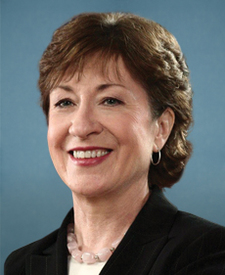
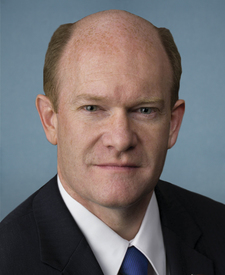
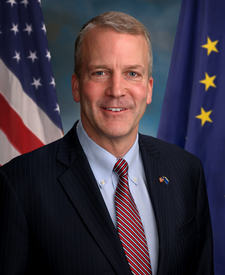
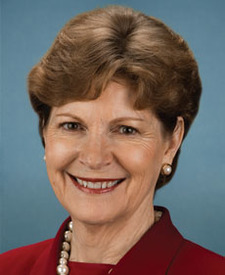

Legislative Progress
In CommitteeMs. Collins (for herself, Mr. Durbin, Ms. Murkowski, Mr. Warnock, …
Read twice and referred to the Committee on the Judiciary. …
Introduced in Senate
Stakeholder Effects
cui bono?How this legislation distributes effects. Mention counts reflect frequency, not effect magnitude.
Basic center and transitional living programs, Existing youth shelter programs seeking to expand prevention, Experienced nonprofit youth service organizations
Youth service grant recipients faces effects in multiple directions
Positive-direction: Basic center and transitional living programs, Existing youth shelter programs seeking to expand prevention, Experienced nonprofit youth service organizations, Experienced youth service providers, Homeless and runaway youth, LGBTQ youth, Maternity group home operators, Nonprofit street outreach organizations, Nonprofit transitional living providers, Nonprofit youth service organizations, Street outreach service providers, Youth at risk of homelessness, Youth at risk of trafficking, Youth of color, Youth service training providers, Youth victims of trafficking
Negative-direction: Grant recipient organizations, New or inexperienced youth service providers
HHS Administration, HHS Secretary, Public agencies serving homeless youth
Positive-direction: Public agencies serving homeless youth
Negative-direction: HHS Administration, HHS Secretary
Bill Structure & Actor Mappings
Who is "The Secretary" in each section?
- "the_secretary"
- → Secretary of Health and Human Services
Key Definitions
Terms defined in this bill
As defined in section 249(c) of title 18, United States Code
We use a combination of our own taxonomy and classification in addition to large language models to assess meaning and potential beneficiaries. High confidence means strong textual evidence. Always verify with the original bill text.
Learn more about our methodology