To require online service providers to disclose their acceptable use policies, provide users with written notice before the termination of a user’s account, and publish an annual report detailing actions taken to enforce their acceptable use policies, and for other purposes.
Summary
What This Bill Does
The bill creates statement of purpose: ensure consumers and organizations have sufficient information about online service providers content moderation standards, processes, and policies regarding account termination, to enable, defines key terms including online service provider (public-facing website/service/app requiring user accounts engaged in interstate commerce), restrict (termination/suspension based on policy violation), user, and requires online service providers to publicly disclose acceptable use policies within 180 days, including prohibited acts, enforcement methods, appeal processes, whether off-platform conduct is considered, and advance. It relies on compliance mandates, reporting requirements, and definition changes. The main policy areas are Technology and Trade.
Who Benefits and How
Platform users facing account restrictions could face reduced risk, Platform users could face reduced risk, and Transparency and accountability researchers would be affected.
Who Bears the Burden and How
Online service providers would take on compliance duties, Social media platforms (Meta, X, YouTube) would take on compliance duties, and Online service providers generally would take on compliance duties.
Key Provisions
- Creates statement of purpose: ensure consumers and organizations have sufficient information about online service providers content moderation standards, processes, and policies regarding account termination, to enable...
- Defines key terms including online service provider (public-facing website/service/app requiring user accounts engaged in interstate commerce), restrict (termination/suspension based on policy violation), user...
- Requires online service providers to publicly disclose acceptable use policies within 180 days, including prohibited acts, enforcement methods, appeal processes, whether off-platform conduct is considered, and advance...
- Requires online service providers to give at least 7 days advance written notice before restricting users, specifying the violation, how it breached policy, appeal options, and option for public disclosure.
- Requires annual transparency reports with open license in human-readable and machine-readable formats detailing enforcement actions: total alerts by source (users, employees, automated tools, government, nonprofits)...
Evidence Chain:
This summary is generated from the full bill text using AI analysis. Expand "Detailed Analysis" below for identified beneficiaries/burden bearers with clause-level evidence links.
At a Glance
What This Bill Does
The bill creates statement of purpose: ensure consumers and organizations have sufficient information about online service providers content moderation standards, processes, and policies regarding account termination, to enable, defines key terms including online service provider (public-facing website/service/app requiring user accounts engaged in interstate commerce), restrict (termination/suspension based on policy violation), user, and requires online service providers to publicly disclose acceptable use policies within 180 days, including prohibited acts, enforcement methods, appeal processes, whether off-platform conduct is considered, and advance.
Key Policy Areas
Technology, Trade
Primary Purpose
The bill creates statement of purpose: ensure consumers and organizations have sufficient information about online service providers content moderation standards, processes, and policies regarding account termination, to enable, defines key terms including online service provider (public-facing website/service/app requiring user accounts engaged in interstate commerce), restrict (termination/suspension based on policy violation), user, and requires online service providers to publicly disclose acceptable use policies within 180 days, including prohibited acts, enforcement methods, appeal processes, whether off-platform conduct is considered, and advance.
Policy Domains
Section 3 - Definitions
Identified Gains
- Platform users facing account restrictions
- Platform users
- Transparency and accountability researchers
- Online platform users
Identified Costs
- Online service providers
- Social media platforms (Meta, X, YouTube)
- Online service providers generally
- Online service providers (social media, SaaS, e-commerce)
- Federal Trade Commission
Sponsors


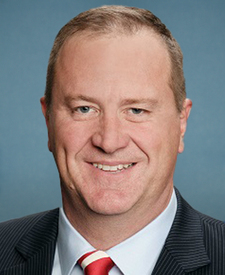
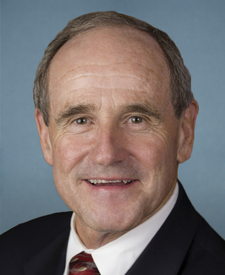

Legislative Progress
IntroducedMr. Cruz (for himself, Mrs. Blackburn, Mrs. Britt, Mr. Cotton, …
Stakeholder Effects
cui bono?How this legislation distributes effects. Mention counts reflect frequency, not effect magnitude.
Content moderation teams, Online service providers, Online service providers (social media, SaaS, e-commerce)
Online platform users, Platform users, Platform users facing account restrictions
Bill Structure & Actor Mappings
Who is "The Secretary" in each section?
- "commission"
- → Federal Trade Commission
- "online_service_provider"
- → Provider of public-facing website/service/app requiring user accounts
- "online_service_provider"
- → Online service providers
- "online_service_provider"
- → Online service providers
- "online_service_provider"
- → Online service providers
- "commission"
- → Federal Trade Commission
Key Definitions
Terms defined in this bill
Provider of a public-facing website, online service, or online application that requires unique accounts, provides internet-based products/services, and is engaged in interstate or foreign commerce
Termination or suspension of a user account, or limitation of access, based on determination that user violated acceptable use policy
Person who registers an account or creates a profile on an online service provider's platform
We use a combination of our own taxonomy and classification in addition to large language models to assess meaning and potential beneficiaries. High confidence means strong textual evidence. Always verify with the original bill text.
Learn more about our methodology