ACES Act of 2025
Summary
What This Bill Does
Directs the Secretary of Veterans Affairs to contract with the National Academies to study cancer prevalence, mortality, and occupational exposures among veterans who served as active-duty fixed-wing aircrew, with deadlines, delay reporting, and a final report to Congress.
Who Benefits and How
Veterans who served as fixed-wing aircrew could benefit from a stronger evidence base connecting service-related exposures to cancer, which may inform future VA policy, benefits, and healthcare decisions.
Who Bears the Burden and How
The Department of Veterans Affairs must negotiate and oversee the study on a short timeline, report delays, and coordinate use of VA, Defense Department, and federal health data.
Key Provisions
- Requires the Secretary of Veterans Affairs to seek an agreement with the National Academies within 30 days and finalize it within 60 days after negotiations begin.
- Requires delay reports and recurring congressional briefings if the agreement is not finalized on time.
- Directs the study to identify occupational exposures, evaluate associations with named cancers and other appropriate cancers, and estimate prevalence and mortality using available federal data sources.
- Requires the National Academies to submit the study results to the Secretary and the congressional veterans' affairs committees.
Evidence Chain:
This summary is generated from the full bill text using AI analysis. Expand "Detailed Analysis" below for identified beneficiaries/burden bearers with clause-level evidence links.
At a Glance
What This Bill Does
Directs the Secretary of Veterans Affairs to contract with the National Academies to study cancer prevalence, mortality, and occupational exposures among veterans who served as active-duty fixed-wing aircrew, with deadlines, delay reporting, and a final report to Congress.
Key Policy Areas
Veterans Affairs, Public Health, Defense
Primary Purpose
Directs the Secretary of Veterans Affairs to contract with the National Academies to study cancer prevalence, mortality, and occupational exposures among veterans who served as active-duty fixed-wing aircrew, with deadlines, delay reporting, and a final report to Congress.
Policy Domains
whole_bill
Identified Gains
- Military aircrew veterans
- Fixed-wing aircrew veterans
- Veterans with cancer
- National Academies of Sciences
- Cancer researchers
Identified Costs
- Department of Veterans Affairs
- Secretary of Veterans Affairs
- National Academies study staff
- Department of Defense data offices
Sponsors


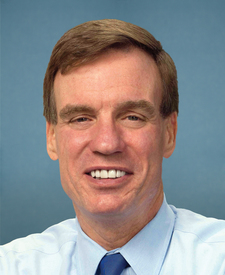
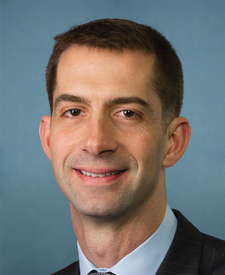
Legislative Progress
Signed into LawBecame Public Law No: 119-32.
Signed by President.
Presented to President.
Mr. Bost moved to suspend the rules and pass the …
Passed/agreed to in House: On motion to suspend the rules …
Motion to reconsider laid on the table Agreed to without …
DEBATE - The House proceeded with forty minutes of debate …
On motion to suspend the rules and pass the bill …
Considered under suspension of the rules. (consideration: CR H3487-3489)
Held at the desk.
Stakeholder Effects
cui bono?How this legislation distributes effects. Mention counts reflect frequency, not effect magnitude.
Bill Structure & Actor Mappings
Who is "The Secretary" in each section?
- "secretary"
- → Secretary of Veterans Affairs
We use a combination of our own taxonomy and classification in addition to large language models to assess meaning and potential beneficiaries. High confidence means strong textual evidence. Always verify with the original bill text.
Learn more about our methodology