PROTECT Act of 2025
Analysis under review: This bill has generated analysis that may be too generic or incomplete. Clause-level evidence remains available below.
Summary
What This Bill Does
The bill adds or tightens a compliance mandate, definition change, delegation of rulemaking provision: 2 and defines introduces a definition change provision: 3. Tribal jurisdiction over controlled substances, related offenses, and firearms Section 204 of Public Law 90–284 (commonly known as the Indian Civil Rights Act. It relies on definition changes, compliance mandates, and delegation of rulemaking. The main policy areas are Defense and Healthcare.
Who Benefits and How
The available clause analysis does not identify a specific beneficiary group.
Who Bears the Burden and How
No clear private burden is identified from the available clause analysis; implementing agencies may still take on administrative work.
Key Provisions
- Adds or tightens a compliance mandate, definition change, delegation of rulemaking provision: 2.
- Defines introduces a definition change provision: 3. Tribal jurisdiction over controlled substances, related offenses, and firearms Section 204 of Public Law 90–284 (commonly known as the Indian Civil Rights Act...
Evidence Chain:
This summary is generated from the full bill text using AI analysis. Expand "Detailed Analysis" below for primary purpose and policy domains.
At a Glance
What This Bill Does
The bill adds or tightens a compliance mandate, definition change, delegation of rulemaking provision: 2 and defines introduces a definition change provision: 3. Tribal jurisdiction over controlled substances, related offenses, and firearms Section 204 of Public Law 90–284 (commonly known as the Indian Civil Rights Act.
Key Policy Areas
Defense, Healthcare
Primary Purpose
The bill adds or tightens a compliance mandate, definition change, delegation of rulemaking provision: 2 and defines introduces a definition change provision: 3. Tribal jurisdiction over controlled substances, related offenses, and firearms Section 204 of Public Law 90–284 (commonly known as the Indian Civil Rights Act.
Policy Domains
Sponsors
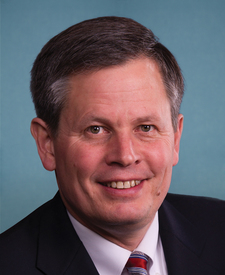
Steve Daines
R-MT | Primary Sponsor
Legislative Progress
In CommitteeMr. Daines (for himself and Ms. Smith) introduced the following …
Read twice and referred to the Committee on Indian Affairs.
Introduced in Senate
Impact analysis is available but no clear stakeholder effects identified. View clause-level analysis →
Bill Structure & Actor Mappings
Who is "The Secretary" in each section?
- "the_secretary"
- → The Secretary identified in the operative section
Key Definitions
Terms defined in this bill
a violation of the criminal law of the Indian tribe that has jurisdiction over the Indian country where the violation occurs that involves the use or possession of a firearm— (A) in furtherance of a covered crime
a department or agency of— (A) the United States
We use a combination of our own taxonomy and classification in addition to large language models to assess meaning and potential beneficiaries. High confidence means strong textual evidence. Always verify with the original bill text.
Learn more about our methodology