To amend the Higher Education Act of 1965 to ensure College for All.
Analysis under review: This bill has generated analysis that may be too generic or incomplete. Clause-level evidence remains available below.
Summary
What This Bill Does
This bill creates a federal-state partnership to make college tuition-free for eligible students at community colleges, public 4-year universities, Tribal Colleges, and private nonprofit minority-serving institutions. It authorizes billions in federal funding starting in 2024-2025 and requires states to maintain education spending levels to participate.
Who Benefits and How
Low and middle-income students benefit by having tuition and required fees fully eliminated at participating institutions. Community colleges, public universities, Tribal Colleges, and historically Black colleges/minority-serving institutions receive federal grants to cover tuition costs. Students in U.S. territories (Guam, American Samoa, Northern Mariana Islands, Virgin Islands) and Freely Associated States gain access to college at in-state tuition rates.
Who Bears the Burden and How
State governments must maintain education spending per student and contribute matching funds (starting at 5% and increasing to 25% over time). The federal government bears the primary financial burden through billions in new appropriations. Private for-profit colleges are excluded from the program and may face competitive pressure.
Key Provisions
- Federal grants cover 75-95% of tuition costs, with states covering the remainder
- Automatic stabilizer provisions waive state matching requirements during economic downturns
- Pell Grant improvements extend eligibility from 12 semesters to 7.5 years
- Inclusive Student Success grants fund evidence-based reforms to improve student outcomes
Evidence Chain:
This summary is generated from the full bill text using AI analysis. Expand "Detailed Analysis" below for identified beneficiaries/burden bearers.
At a Glance
What This Bill Does
Establishes a Federal-State partnership to fully eliminate tuition and required fees for eligible students at community colleges, public 4-year institutions, Tribal Colleges, and private nonprofit minority-serving institutions.
Key Policy Areas
Higher Education, Federal Grants, State Partnerships
Primary Purpose
Establishes a Federal-State partnership to fully eliminate tuition and required fees for eligible students at community colleges, public 4-year institutions, Tribal Colleges, and private nonprofit minority-serving institutions.
Policy Domains
Subpart 1 - Federal-State Partnership (Public Institutions)
Identified Gains
Contextual inference, no direct clause citation- Low and middle-income students
- Community colleges
- Public 4-year universities
- Tribal Colleges and Universities
Contextual inference, no direct clause citation
Identified Costs
Contextual inference, no direct clause citation- State governments
- Federal taxpayers
Contextual inference, no direct clause citation
Subpart 2 - Private Nonprofit HBCUs and MSIs
Identified Gains
Contextual inference, no direct clause citation- Students at HBCUs and MSIs
- Historically Black Colleges and Universities
- Hispanic-serving institutions
- Other minority-serving institutions
Contextual inference, no direct clause citation
Identified Costs
Contextual inference, no direct clause citation- Federal taxpayers
Contextual inference, no direct clause citation
Subpart 3 - Territories and Freely Associated States
Identified Gains
Contextual inference, no direct clause citation- Students in Guam
- Students in American Samoa
- Students in Northern Mariana Islands
- Students in U.S. Virgin Islands
- Students in Freely Associated States
Contextual inference, no direct clause citation
Identified Costs
Contextual inference, no direct clause citation- Federal taxpayers
Contextual inference, no direct clause citation
Subpart 4 - Inclusive Student Success Grants
Identified Gains
Contextual inference, no direct clause citation- First-generation college students
- Low-income students
- Students requiring academic support
- Institutions implementing evidence-based reforms
Contextual inference, no direct clause citation
Identified Costs
Contextual inference, no direct clause citation- Federal taxpayers
- Institutions not meeting outcome goals
Contextual inference, no direct clause citation
Section 301 - Pell Grant Improvements
Identified Gains
Contextual inference, no direct clause citation- Non-traditional students
- Part-time students
- Students changing majors
Contextual inference, no direct clause citation
Identified Costs
Contextual inference, no direct clause citation- Federal taxpayers
Contextual inference, no direct clause citation
Sponsors
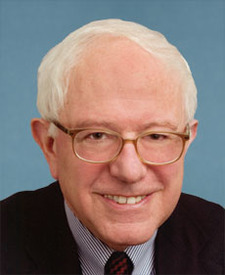
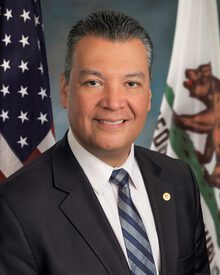

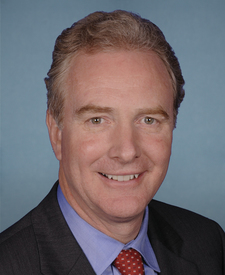
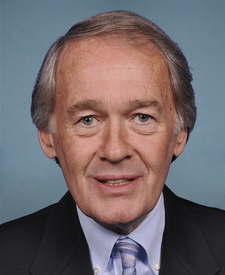
Legislative Progress
IntroducedMr. Sanders (for himself, Mr. Blumenthal, Mr. Padilla, Mr. Murphy, …
Stakeholder Effects
cui bono?How this legislation distributes effects. Mention counts reflect frequency, not effect magnitude.
2-year private nonprofit MSIs, 4-year private nonprofit MSIs, College students
Public higher education institutions, Tribal Colleges and Universities face effects in multiple directions
Positive-direction: 2-year private nonprofit MSIs, 4-year private nonprofit MSIs, College students, Colleges enrolling territory students, Community college students, Community colleges, Eligible college students, Eligible students, First-generation college students, Hispanic-serving institutions, Historically Black Colleges and Universities, Institutions serving low-income students, Low and middle-income college students, Non-traditional college students, Other minority-serving institutions, Part-time students, Private nonprofit HBCUs and MSIs, Public 4-year universities, Public 4-year university students, Public community colleges, States and Tribal Colleges, Students at HBCUs and MSIs, Students at MSIs, Students changing majors or returning to school, Students from Freely Associated States, Students from Guam, American Samoa, CNMI, USVI, and Freely Associated States, Students from U.S. territories, Students requiring academic support, Students with basic needs insecurity, U.S. colleges and universities, Under-funded public institutions, Underrepresented students
Negative-direction: Higher education institutions
High-poverty states, State governments, State governments during recessions
State governments faces effects in multiple directions
Positive-direction: High-poverty states, State governments during recessions, States receiving tuition grants, States with high Pell Grant enrollment, States with high tuition
Negative-direction: State higher education agencies, States receiving student success grants
Bill Structure & Actor Mappings
Who is "The Secretary" in each section?
- "the_secretary"
- → Secretary of Education
- "the_secretary"
- → Secretary of Education
- "the_governor"
- → Governor of each outlying area
- "the_secretary"
- → Secretary of Education
- "the_secretary"
- → Secretary of Education
- "the_secretary"
- → Secretary of Education
Key Definitions
Terms defined in this bill
A public institution where the highest or most frequently awarded degree is an associate degree, or a public postsecondary vocational institution
A private nonprofit 2-year or 4-year institution that is a Part B institution, Hispanic-serving institution, Alaska Native-serving institution, Native Hawaiian-serving institution, Predominantly Black institution, or Asian American and Native American Pacific Islander-serving institution
A State that is a recipient of a grant under subpart 1
Has the meaning given in section 481(a) of the Higher Education Act
A reform or practice that meets criteria for an expansion grant from the education innovation and research program under section 4611(a)(2) of ESEA
We use a combination of our own taxonomy and classification in addition to large language models to assess meaning and potential beneficiaries. High confidence means strong textual evidence. Always verify with the original bill text.
Learn more about our methodology