To prohibit the declaration of a Federal emergency relating to abortion.
Analysis under review: This bill has generated analysis that may be too generic or incomplete. Clause-level evidence remains available below.
Summary
What This Bill Does
This bill prohibits the President and Secretary of Health and Human Services from declaring a federal emergency for purposes related to abortion. It amends three major emergency declaration laws to block the use of emergency powers to expand abortion access or to take action against states that restrict abortion.
Who Benefits and How
States that restrict or prohibit abortion benefit the most, as they would be shielded from federal emergency actions that could override their abortion restrictions. Anti-abortion advocacy groups and those who oppose federal involvement in abortion policy also benefit, as the bill prevents the executive branch from using emergency powers to circumvent state-level abortion laws.
Who Bears the Burden and How
The President faces new restrictions on executive authority, losing the ability to use emergency declarations as a tool to address abortion access issues. The Secretary of Health and Human Services similarly loses the ability to declare public health emergencies related to abortion. Individuals seeking abortion access may be indirectly burdened, as the bill removes a potential avenue for federal intervention if abortion access becomes restricted in their state.
Key Provisions
- Amends the National Emergencies Act to prohibit the President from declaring a national emergency to promote, support, or expand abortion access
- Amends the Public Health Service Act to prohibit the HHS Secretary from declaring a public health emergency for abortion-related purposes
- Amends the Stafford Disaster Relief Act to prevent emergency declarations related to abortion
- Prohibits using emergency powers to take "adverse action" or litigate against states that restrict abortion
- Defines "abortion" narrowly, excluding procedures to increase probability of live birth, preserve child health, or remove a deceased unborn child
Evidence Chain:
This summary is generated from the full bill text using AI analysis. Expand "Detailed Analysis" below for identified beneficiaries/burden bearers.
At a Glance
What This Bill Does
This bill prohibits the President from declaring a federal emergency related to abortion, including promoting access to abortion or taking adverse action against states that restrict it.
Key Policy Areas
Healthcare
Primary Purpose
This bill prohibits the President from declaring a federal emergency related to abortion, including promoting access to abortion or taking adverse action against states that restrict it.
Policy Domains
Sponsors
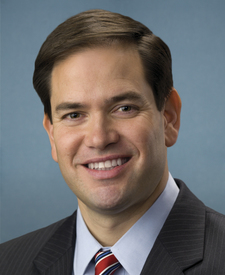
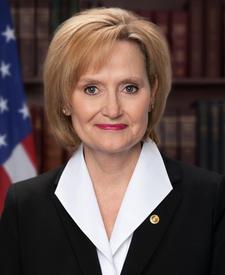
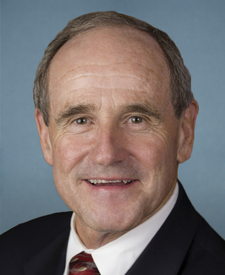


Legislative Progress
IntroducedMr. Rubio (for himself, Mrs. Hyde-Smith, Mr. Cramer, Mr. Tillis, …
Stakeholder Effects
cui bono?How this legislation distributes effects. Mention counts reflect frequency, not effect magnitude.
Bill Structure & Actor Mappings
Who is "The Secretary" in each section?
- "the_president"
- → President of the United States
- "the_secretary"
- → Secretary of Health and Human Services
Key Definitions
Terms defined in this bill
The use or prescription of any instrument, medicine, drug, or other substance or device to intentionally kill the unborn child of a woman known to be pregnant; or prematurely terminate the pregnancy of a woman known to be pregnant, with an intention other than to increase the probability of a live birth or of preserving the life or health of the child after live birth; or remove a dead unborn child.
We use a combination of our own taxonomy and classification in addition to large language models to assess meaning and potential beneficiaries. High confidence means strong textual evidence. Always verify with the original bill text.
Learn more about our methodology