To provide for the establishment of a land health management program on Federal land in Malheur County, Oregon, and for other purposes.
Sponsors
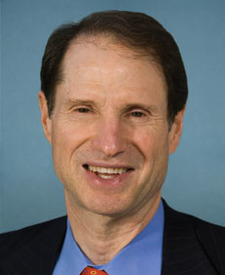
Ron Wyden
D-OR | Primary Sponsor
Legislative Progress
IntroducedMr. Wyden (for himself and Mr. Merkley) introduced the following …
Summary
What This Bill Does
This bill establishes a new land management program on federal lands in Malheur County, Oregon. The goal is to improve long-term ecological health by giving grazing permit holders more flexibility in how they manage their livestock.
Who Benefits and How
The primary beneficiaries are the ranchers who hold grazing permits or leases on these federal lands. They will gain increased operational flexibility, such as adjusting grazing seasons and water sources with less red tape. This can help them better respond to changing environmental conditions like droughts or fires, which could improve their livelihoods.
Who Bears the Burden and How
The Bureau of Land Management (BLM) will have additional responsibilities to develop alternatives for grazing management plans in consultation with various stakeholders, including ranchers, local tribes, and other agencies. This means more work and potentially higher administrative costs for the BLM. Taxpayers may also bear some of these costs through increased federal spending on monitoring and managing these lands.
Key Provisions
- Increased Flexibility: Ranchers can adjust grazing seasons and water sources with less bureaucracy.
- Consultation Requirement: The Secretary must consult with ranchers, local tribes, and other stakeholders when developing new grazing management plans.
- Adaptability to Conditions: Ranchers can request variances in their permits due to significant changes like weather or drought, allowing them to adjust grazing periods within a 14-day window before or after the original dates.
- Monitoring Plans: The BLM must adopt monitoring plans to track ecological health and allow for adjustments based on new data.
Evidence Chain:
This summary is derived from the structured analysis below. See "Detailed Analysis" for per-title beneficiaries/burden bearers with clause-level evidence links.
Primary Purpose
We use a combination of our own taxonomy and classification in addition to large language models to assess meaning and potential beneficiaries. High confidence means strong textual evidence. Always verify with the original bill text.
Learn more about our methodology