Carla Walker Act
Summary
What This Bill Does
Creates DOJ forensic grants for DNA analysis, forensic genetic genealogy equipment, and database searching, sets administrative rules and reporting requirements, requires a DOJ report with the National Institute of Justice Forensic Laboratory Needs Working Group, and preserves stronger state or local forensic laws.
Who Benefits and How
State law enforcement agencies, local law enforcement agencies, Tribal law enforcement agencies, prosecutor offices, medical examiner offices, coroner offices, and publicly funded accredited forensic laboratories benefit from grant eligibility for DNA analysis and forensic genetic genealogy equipment or searches. Cold-case investigators and families of victims benefit if grants help identify suspects or victims in unsolved violent crimes. DOJ and NIJ policymakers benefit from reports on forensic laboratory needs.
Who Bears the Burden and How
The Attorney General, DOJ grant administrators, and NIJ forensic policy staff must run the grant program, issue guidance, review applications, and collect reports. Grant recipients must document spending, results, accreditation, privacy, and database-search practices. Federal taxpayers bear grant costs. Suspects identified through forensic genetic genealogy face increased investigative risk.
Key Provisions
- Creates grants to improve forensic activities under the Omnibus Crime Control and Safe Streets Act.
- Defines forensic analysis, accredited forensic laboratories, forensic genetic genealogy DNA analysis, and eligible entities.
- Authorizes DNA analysis grants for law enforcement, prosecutors, medical examiners, coroners, and forensic laboratories.
- Authorizes grants for forensic equipment and database searching.
- Requires administrative guidelines, grant-recipient reports, and a DOJ report on forensic laboratory needs.
- Provides no preemption of stronger state or local forensic requirements.
Evidence Chain:
This summary is generated from the full bill text using AI analysis. Expand "Detailed Analysis" below for identified beneficiaries/burden bearers with clause-level evidence links.
At a Glance
What This Bill Does
Creates DOJ forensic grants for DNA analysis, forensic genetic genealogy equipment, and database searching, sets administrative rules and reporting requirements, requires a DOJ report with the National Institute of Justice Forensic Laboratory Needs Working Group, and preserves stronger state or local forensic laws.
Key Policy Areas
Criminal Justice, Forensics, DNA
Primary Purpose
Creates DOJ forensic grants for DNA analysis, forensic genetic genealogy equipment, and database searching, sets administrative rules and reporting requirements, requires a DOJ report with the National Institute of Justice Forensic Laboratory Needs Working Group, and preserves stronger state or local forensic laws.
Policy Domains
House resolution provisions
Identified Gains
- State law enforcement agencies
- Local law enforcement agencies
- Tribal law enforcement agencies
- Prosecutor offices
- Medical examiner offices
- Forensic laboratories
- Victim families
Identified Costs
- Attorney General
- DOJ grant administrators
- NIJ forensic policy staff
- Grant recipients
- Federal taxpayers
- Criminal suspects
Sponsors
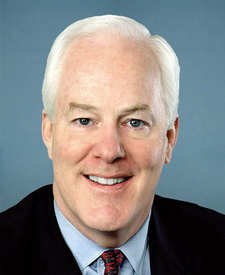
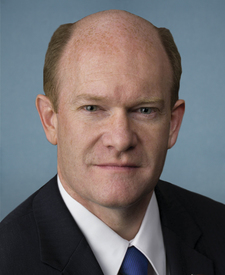
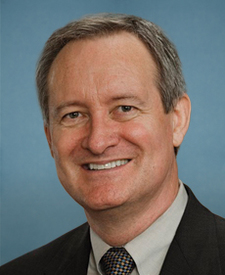
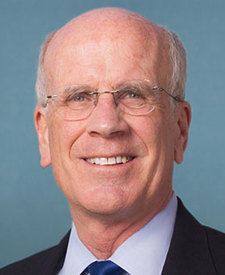
Legislative Progress
Passed SenateHeld at the desk.
Received in the House.
Message on Senate action sent to the House.
Passed/agreed to in Senate: Passed Senate with an amendment by …
Passed Senate with an amendment by Voice Vote. (consideration: CR …
Committee on the Judiciary. Reported by Senator Grassley with an …
Placed on Senate Legislative Calendar under General Orders. Calendar No. …
Committee on the Judiciary. Ordered to be reported with an …
Mr. Cornyn (for himself, Mr. Welch, Mr. Crapo, and Mr. …
Read twice and referred to the Committee on the Judiciary.
Stakeholder Effects
cui bono?How this legislation distributes effects. Mention counts reflect frequency, not effect magnitude.
Attorney General, DOJ grant administrators, Grant recipients
Positive-direction: NIJ forensic policy staff, State law enforcement agencies
Negative-direction: Attorney General, DOJ grant administrators, Grant recipients
Agency legal staff, Congressional judiciary committees, Taxpayers
Positive-direction: Congressional judiciary committees
Negative-direction: Agency legal staff, Taxpayers
Bill Structure & Actor Mappings
Who is "The Secretary" in each section?
- "attorney_general"
- → Attorney General
We use a combination of our own taxonomy and classification in addition to large language models to assess meaning and potential beneficiaries. High confidence means strong textual evidence. Always verify with the original bill text.
Learn more about our methodology