DISRUPT Act
Summary
What This Bill Does
Directs a U.S. policy and interagency task forces to disrupt cooperation among China, Russia, Iran, and North Korea in dangerous military, intelligence, sanctions-evasion, cyber, technology, and authoritarian tactics, with reports from State, Defense, Treasury, Commerce, intelligence, and other agencies.
Who Benefits and How
U.S. national-security planners benefit from formal task forces and reports on how China, Russia, Iran, and North Korea cooperate. Allied governments benefit if U.S. strategy better disrupts adversary technology transfers, military support, sanctions evasion, cyber tools, and coercive tactics. Congressional defense, foreign-affairs, intelligence, banking, and commerce committees benefit from reporting on adversary partnerships and U.S. disruption options.
Who Bears the Burden and How
State Department sanctions staff, Defense policy staff, Treasury sanctions staff, Commerce export-control staff, intelligence analysts, and other agencies must form task forces and produce reports quickly. PRC, Russian, Iranian, and North Korean entities involved in dangerous cooperation face heightened monitoring and possible future sanctions, export controls, or diplomatic pressure. Companies that facilitate adversary cooperation may face more scrutiny.
Key Provisions
- Provides findings on China, Russia, Iran, and North Korea as foreign adversary governments.
- Establishes U.S. policy to disrupt dangerous cooperation among those governments.
- Requires interagency task forces within 60 days.
- Requires reports on dangerous cooperation, U.S. responses, and disruption options.
- Involves State, Defense, Treasury, Commerce, intelligence, and other executive-branch components.
Evidence Chain:
This summary is generated from the full bill text using AI analysis. Expand "Detailed Analysis" below for identified beneficiaries/burden bearers with clause-level evidence links.
At a Glance
What This Bill Does
Directs a U.S. policy and interagency task forces to disrupt cooperation among China, Russia, Iran, and North Korea in dangerous military, intelligence, sanctions-evasion, cyber, technology, and authoritarian tactics, with reports from State, Defense, Treasury, Commerce, intelligence, and other agencies.
Key Policy Areas
Foreign Affairs, Sanctions, National Security
Primary Purpose
Directs a U.S. policy and interagency task forces to disrupt cooperation among China, Russia, Iran, and North Korea in dangerous military, intelligence, sanctions-evasion, cyber, technology, and authoritarian tactics, with reports from State, Defense, Treasury, Commerce, intelligence, and other agencies.
Policy Domains
House resolution provisions
Identified Gains
- U.S. national-security planners
- Allied governments
- Congressional oversight committees
Identified Costs
- State Department sanctions staff
- Defense policy staff
- Treasury sanctions staff
- Commerce export-control staff
- PRC entities
- Russian entities
- Iranian entities
- North Korean entities
Sponsors
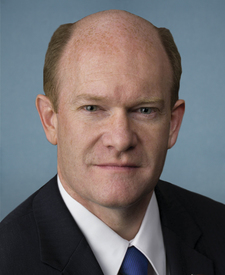



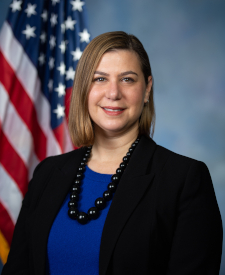
Legislative Progress
ReportedReported by Mr. Risch, with an amendment
Placed on Senate Legislative Calendar under General Orders. Calendar No. …
Committee on Foreign Relations. Reported by Senator Risch with an …
Committee on Foreign Relations. Ordered to be reported with an …
Mr. Coons (for himself, Mr. McCormick, Ms. Klobuchar, Mr. Cornyn, …
Mr. Coons (for himself and Mr. McCormick) introduced the following …
Read twice and referred to the Committee on Foreign Relations.
Introduced in Senate
Stakeholder Effects
cui bono?How this legislation distributes effects. Mention counts reflect frequency, not effect magnitude.
Allied governments, State Department sanctions staff
Positive-direction: Allied governments
Negative-direction: State Department sanctions staff
Bill Structure & Actor Mappings
Who is "The Secretary" in each section?
- "secretary_state"
- → Secretary of State
- "secretary_defense"
- → Secretary of Defense
- "secretary_treasury"
- → Secretary of the Treasury
We use a combination of our own taxonomy and classification in addition to large language models to assess meaning and potential beneficiaries. High confidence means strong textual evidence. Always verify with the original bill text.
Learn more about our methodology