RESTORE Act
Analysis under review: This bill has generated analysis that may be too generic or incomplete. Clause-level evidence remains available below.
Summary
What This Bill Does
This bill promotes "restorative reproductive medicine" and "fertility awareness-based methods" as alternatives to traditional infertility treatments like IVF. It requires HHS to study and report on these approaches, expands Title X family planning grants to include providers of restorative reproductive medicine, updates medical coding for reproductive health procedures, and directs NIH and other agencies to conduct more research on conditions like endometriosis, PCOS, and uterine fibroids.
Who Benefits and How
Medical providers and organizations specializing in NaProTechnology and fertility awareness-based methods gain eligibility for Title X federal grants and new training opportunities. Women with reproductive health conditions may benefit from increased research funding and diagnostic improvements. The Teen Pregnancy Prevention program receives direction to include fertility awareness-based method providers.
Who Bears the Burden and How
HHS agencies (CDC, NIH, AHRQ) face new reporting and research coordination requirements. CMS and AMA must update medical coding systems within 1 year. Title X grantees must receive training on restorative reproductive medicine. Traditional infertility treatment providers may face increased competition for Title X funds from newly eligible restorative medicine providers.
Key Provisions
- Makes restorative reproductive medicine providers eligible for Title X family planning grants
- Requires HHS to report every 3 years on standard of care for reproductive health diagnoses
- Expands National Survey of Family Growth to include fertility awareness methods
- Updates ICD-10 diagnostic codes for endometriosis, PCOS, fibroids, and related conditions
- Expands NIH research on reproductive health conditions and restorative treatments
Evidence Chain:
This summary is generated from the full bill text using AI analysis. Expand "Detailed Analysis" below for identified beneficiaries/burden bearers.
At a Glance
What This Bill Does
Expands research, training, and access to restorative reproductive medicine and fertility awareness-based methods as alternatives to assisted reproductive technology, while requiring studies on reproductive health conditions like endometriosis
Key Policy Areas
Healthcare, Medical Research, Women's Health, Medical Training
Primary Purpose
Expands research, training, and access to restorative reproductive medicine and fertility awareness-based methods as alternatives to assisted reproductive technology, while requiring studies on reproductive health conditions like endometriosis
Policy Domains
RESTORE Act - Reproductive Health
Identified Gains
Contextual inference, no direct clause citation- Restorative reproductive medicine providers
- NaProTechnology practitioners
- Fertility awareness educators
- Women seeking non-IVF infertility treatment
- Medical researchers studying reproductive conditions
Contextual inference, no direct clause citation
Identified Costs
Contextual inference, no direct clause citation- HHS agencies (reporting requirements)
- CDC (survey modifications)
- CMS (coding updates)
- Title X grantees (training requirements)
- Traditional IVF providers (competition for grants)
Contextual inference, no direct clause citation
Sponsors



Legislative Progress
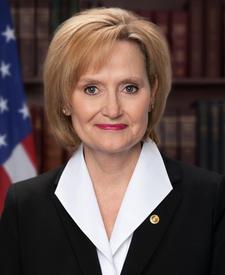
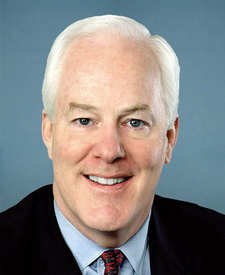
In CommitteeMrs. Hyde-Smith (for herself, Mr. Lankford, Mr. Grassley, and Mr. …
Read twice and referred to the Committee on Health, Education, …
Introduced in Senate
Stakeholder Effects
cui bono?How this legislation distributes effects. Mention counts reflect frequency, not effect magnitude.
Fertility awareness-based method educators, NaProTechnology educational programs, NaProTechnology training organizations
Positive-direction: Fertility awareness-based method educators, NaProTechnology educational programs, NaProTechnology training organizations, Providers of restorative reproductive procedures, Restorative reproductive health education organizations, Restorative reproductive medicine field, Restorative reproductive medicine providers, Surgeons performing laparoscopic endometriosis excision
Negative-direction: Reproductive Health National Training Center, Title X family planning grantees, Traditional Title X family planning providers
CDC National Center for Health Statistics, CMS, HHS Office of the Assistant Secretary for Health
Women seeking reproductive health diagnoses, Women with endometriosis, PCOS, fibroids
Medical researchers studying reproductive conditions, Restorative reproductive medicine researchers
American Medical Association (CPT Editorial Panel)
Bill Structure & Actor Mappings
Who is "The Secretary" in each section?
- "the_director"
- → Director of CDC (in survey context) or NIH Director (in research context)
- "the_secretary"
- → Secretary of Health and Human Services
- "assistant_secretary"
- → Assistant Secretary for Health (HHS)
- "deputy_assistant_secretary"
- → Deputy Assistant Secretary for Population Affairs
Key Definitions
Terms defined in this bill
Treatments involving handling of human eggs, sperm, and embryos outside the body including IVF, artificial insemination, and embryo donation
Evidence-based methods of tracking the menstrual cycle through biological signs like body temperature, cervical fluid, and hormones including Creighton method, Billings method, and Marquette method
Medical practices focused on addressing the underlying cause of reproductive health conditions and infertility through diagnosis and treatment rather than bypassing through assisted reproductive technology
Natural Procreative Technology - a standardized medical approach using fertility awareness charting to diagnose and treat reproductive conditions
We use a combination of our own taxonomy and classification in addition to large language models to assess meaning and potential beneficiaries. High confidence means strong textual evidence. Always verify with the original bill text.
Learn more about our methodology