To amend title 49, United States Code, to direct the Administrator of the Federal Aviation Authority to continue operation of the Advanced Materials Center of Excellence, and for other purposes.
Analysis under review: This bill has generated analysis that may be too generic or incomplete. Clause-level evidence remains available below.
Summary
What This Bill Does
This bill extends and expands the Federal Aviation Administration's Advanced Materials Center of Excellence, a research hub focused on improving aircraft safety through advanced materials like carbon fiber composites. The bill authorizes continued operation through 2028 and adds a new mandate: researching how to make air travel safer and more accessible for passengers with disabilities, including developing wheelchair restraint systems for in-flight use.
Who Benefits and How
Universities and Research Institutions: Member universities in the Center of Excellence network receive federal grants (up to $20 million annually through 2028) to conduct applied research on advanced aerospace materials.
Commercial Aircraft Industry: Manufacturers, airlines, and suppliers gain access to federally-funded research on next-generation materials (carbon fiber polymers, thermoplastic composites, additive manufacturing) that can improve aircraft performance and safety.
Passengers with Disabilities: The bill specifically mandates research into safe wheelchair restraint systems and accessible air travel, potentially leading to future regulations allowing some passengers to remain in their wheelchairs during flights rather than transferring to airline seats.
Who Bears the Burden and How
Federal Government/Taxpayers: The bill authorizes $20 million per year for fiscal years 2024-2028 (totaling up to $100 million) from appropriated funds.
The FAA Administrator: Required to award grants within 90 days of receiving a recommendation from the Grants Officer, creating a timeline mandate for federal action.
Key Provisions
- Extends the Advanced Materials Center of Excellence operation date from March 1, 2016 to March 1, 2023 (as a baseline)
- Authorizes $20 million annually for fiscal years 2024 through 2028
- Requires research on crash worthiness and passenger safety
- Mandates study of safe air travel for individuals with disabilities, including wheelchair restraint systems
- Expands scope to cover emerging aircraft types including advanced air mobility (flying taxis, eVTOL) and rotorcraft
- Requires collaboration between universities, FAA, and commercial aircraft industry stakeholders
Evidence Chain:
This summary is generated from the full bill text using AI analysis. Expand "Detailed Analysis" below for identified beneficiaries/burden bearers.
At a Glance
What This Bill Does
This bill amends title 49 of the United States Code to extend the operation of the Advanced Materials Center of Excellence, focusing on research and training for advanced materials in aircraft structures.
Key Policy Areas
Transportation, Safety
Primary Purpose
This bill amends title 49 of the United States Code to extend the operation of the Advanced Materials Center of Excellence, focusing on research and training for advanced materials in aircraft structures.
Policy Domains
Sponsors

Legislative Progress
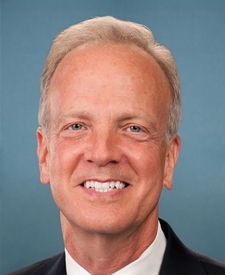
IntroducedMr. Moran (for himself and Ms. Cantwell) introduced the following …
Impact analysis is available but no clear stakeholder effects identified. View clause-level analysis →
Bill Structure & Actor Mappings
Who is "The Secretary" in each section?
- "the_administrator"
- → Administrator of the Federal Aviation Administration
Key Definitions
Terms defined in this bill
As defined by the relevant regulations, this term refers to individuals with disabilities.
We use a combination of our own taxonomy and classification in addition to large language models to assess meaning and potential beneficiaries. High confidence means strong textual evidence. Always verify with the original bill text.
Learn more about our methodology