Training and Nutrition Stability Act of 2025
Analysis under review: This bill has generated analysis that may be too generic or incomplete. Clause-level evidence remains available below.
Summary
What This Bill Does
The bill amends the Food and Nutrition Act of 2008 to exclude income from employment and training programs, vocational rehabilitation, and refugee employment programs when calculating SNAP benefits, except income from certain. It relies on exemptions. The main policy areas are Social Welfare, Defense, and Education.
Who Benefits and How
SNAP recipients in vocational rehabilitation programs could gain revenue opportunities, Refugee SNAP recipients in employment programs could gain revenue opportunities, and Workforce development and training organizations could face fewer barriers.
Who Bears the Burden and How
Federal taxpayers (increased SNAP spending) could face higher costs and State SNAP agencies (administrative burden) would take on compliance duties.
Key Provisions
- Amends the Food and Nutrition Act of 2008 to exclude income from employment and training programs, vocational rehabilitation, and refugee employment programs when calculating SNAP benefits, except income from certain...
Evidence Chain:
This summary is generated from the full bill text using AI analysis. Expand "Detailed Analysis" below for identified beneficiaries/burden bearers with clause-level evidence links.
At a Glance
What This Bill Does
The bill amends the Food and Nutrition Act of 2008 to exclude income from employment and training programs, vocational rehabilitation, and refugee employment programs when calculating SNAP benefits, except income from certain.
Key Policy Areas
Social Welfare, Defense, Education
Primary Purpose
The bill amends the Food and Nutrition Act of 2008 to exclude income from employment and training programs, vocational rehabilitation, and refugee employment programs when calculating SNAP benefits, except income from certain.
Policy Domains
Section 1 - Short Title
Identified Gains
- SNAP recipients in vocational rehabilitation programs
- Refugee SNAP recipients in employment programs
- Workforce development and training organizations
Identified Costs
- Federal taxpayers (increased SNAP spending)
- State SNAP agencies (administrative burden)
Sponsors


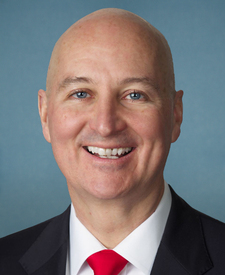
Legislative Progress
In CommitteeMrs. Gillibrand (for herself and Mr. Ricketts) introduced the following …
Read twice and referred to the Committee on Agriculture, Nutrition, …
Introduced in Senate
Stakeholder Effects
cui bono?How this legislation distributes effects. Mention counts reflect frequency, not effect magnitude.
Federal taxpayers (increased SNAP spending), Refugee SNAP recipients in employment programs, SNAP recipients in vocational rehabilitation programs
Positive-direction: Refugee SNAP recipients in employment programs, SNAP recipients in vocational rehabilitation programs
Negative-direction: Federal taxpayers (increased SNAP spending)
State SNAP agencies (administrative burden)
Bill Structure & Actor Mappings
Who is "The Secretary" in each section?
- "administering_agency"
- → U.S. Department of Agriculture (USDA)
Key Definitions
Terms defined in this bill
Income from: (1) work programs under WIOA section 6(o)(1) except certain veteran programs, (2) employment and training programs under section 6(d), (3) vocational rehabilitation programs under WIOA, and (4) refugee employment programs under INA section 412(c)
Income from veteran work programs IS counted (excluded from the exclusion): Post-9/11 GI Bill Improvements Act of 2010, Harry W. Colmery Veterans Educational Assistance Act of 2017, COVID-19 Veterans Rapid Retraining Assistance Program
We use a combination of our own taxonomy and classification in addition to large language models to assess meaning and potential beneficiaries. High confidence means strong textual evidence. Always verify with the original bill text.
Learn more about our methodology