To expand the imposition of sanctions under the Uyghur Human Rights Policy Act of 2020 with respect to human rights abuses in the Xinjiang Uyghur Autonomous Region of the People's Republic of China and to counter the genocidal policies of the Government of the People’s Republic of China.
Analysis under review: This bill has generated analysis that may be too generic or incomplete. Clause-level evidence remains available below.
Summary
What This Bill Does
This bill strengthens U.S. responses to the genocide and human rights abuses against Uyghurs in China's Xinjiang region. It expands sanctions on Chinese officials and entities involved in forced labor, forced sterilization, and detention camps, while requiring companies trading on U.S. stock exchanges to disclose business ties to entities complicit in these abuses.
Who Benefits and How
- Uyghur refugees and survivors benefit from authorized funding for medical care, physical therapy, and psychological support for torture and forced sterilization survivors living outside China.
- Human rights organizations receive support for documenting atrocities and conducting criminal investigations.
- The Smithsonian Institution receives $2 million annually to preserve cultural heritage of repressed ethnic groups.
Who Bears the Burden and How
- Chinese government officials face mandatory entry denials to the U.S. if complicit in forced abortions/sterilizations, and expanded sanctions including asset freezes.
- Companies with Xinjiang ties must file new SEC disclosures about relationships with sanctioned entities, surveillance technology providers, and forced labor operations.
- U.S. federal contractors are prohibited from doing business with entities using Uyghur forced labor.
Key Provisions
- Expands sanctions to cover forced deportation, organ trafficking, and child separation practices
- Requires SEC disclosure for companies connected to Xinjiang surveillance, detention facilities, or forced labor
- Bans federal contracts with companies using Uyghur forced labor or facilitating genocide
Evidence Chain:
This summary is generated from the full bill text using AI analysis. Expand "Detailed Analysis" below for identified beneficiaries/burden bearers.
At a Glance
What This Bill Does
Expands sanctions under the Uyghur Human Rights Policy Act of 2020 and creates new accountability mechanisms to address the genocide and forced labor practices by the Chinese government against Uyghurs and other ethnic minorities in Xinjiang.
Key Policy Areas
Foreign Policy, Human Rights, Trade, Securities Regulation, Immigration
Primary Purpose
Expands sanctions under the Uyghur Human Rights Policy Act of 2020 and creates new accountability mechanisms to address the genocide and forced labor practices by the Chinese government against Uyghurs and other ethnic minorities in Xinjiang.
Policy Domains
Full Bill - Uyghur Genocide Accountability and Sanctions Act
Identified Gains
Contextual inference, no direct clause citation- Uyghur refugees and survivors
- Human rights organizations
- Investigative journalists and researchers
- Cultural preservation institutions
Contextual inference, no direct clause citation
Identified Costs
Contextual inference, no direct clause citation- Chinese government officials
- Companies with Xinjiang business ties
- SEC-registered companies with covered entity relationships
- Federal contractors sourcing from China
Contextual inference, no direct clause citation
Sponsors
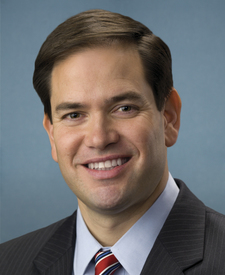
Marco Rubio
R-FL | Primary Sponsor
Legislative Progress
IntroducedMr. Rubio (for himself and Mr. Merkley) introduced the following …
Stakeholder Effects
cui bono?How this legislation distributes effects. Mention counts reflect frequency, not effect magnitude.
Chinese government officials accused of genocide, Chinese government officials involved in human rights abuses, Department of State
Chinese entities potentially complicit in Uyghur abuses, Foreign persons and companies providing goods/services to sanctioned entities, U.S. companies doing business with targeted Chinese entities
Communities with threatened cultural heritage, Uyghur, Kazakh, and Kyrgyz refugees and survivors
Healthcare providers in foreign countries, Healthcare treatment centers serving survivors
Human rights documentation organizations, NGOs with international criminal investigation expertise
Companies using Uyghur forced labor in supply chains
Bill Structure & Actor Mappings
Who is "The Secretary" in each section?
- "the_president"
- → President of the United States
- "the_secretary"
- → Secretary of State (for most provisions)
- "the_administrator"
- → Administrator of USAID
- "the_secretary_treasury"
- → Secretary of the Treasury (for sanctions determinations)
Key Definitions
Terms defined in this bill
An entity engaged in surveillance technology in Xinjiang, on the Entity List, on OFAC's SDN list, operating detention facilities, identified in Uyghur Forced Labor Prevention Act reports, in the pairing assistance program, operating as Xinjiang Production and Construction Corps, or producing goods subject to withhold release orders
We use a combination of our own taxonomy and classification in addition to large language models to assess meaning and potential beneficiaries. High confidence means strong textual evidence. Always verify with the original bill text.
Learn more about our methodology