To prohibit the use of corporal punishment in schools, and for other purposes.
Analysis under review: This bill has generated analysis that may be too generic or incomplete. Clause-level evidence remains available below.
Summary
What This Bill Does
This bill, To prohibit the use of corporal punishment in schools, and for other purposes., changes federal law or congressional policy affecting schools, students, and education providers. The main policy domain is Education, Criminal Justice, Civil Rights.
Who Benefits and How
schools, students, and education providers may benefit from new authority, funding, eligibility, regulatory clarity, or reduced risk created by the bill.
Who Bears the Burden and How
federal implementing agencies, schools, students, and education providers may take on implementation duties, reporting obligations, compliance costs, or oversight responsibilities.
Key Provisions
- Section H2586FA51EE004AD8B9C57B9FF0FBC362: 1. Short title; table of contents This Act may be cited as the Protecting our Students in Schools Act of 2023. The table of contents for this Act is as follows:
- Section H181395BB358A4412BF2719F4D6ECE443: 2. Purposes The purposes of this Act are to— eliminate the use of corporal punishment in schools; ensure, regardless of sexual orientation, gender identity or...
- Section H872EEAC6270D4AA09F871798DBB3C404: 3. Definitions In this Act: The term corporal punishment means, with respect to a student, a deliberate act which causes the student to feel physical pain for...
- Section H60C0C0C20DF748F9A003447FC330AD8E: 101. Prohibition of corporal punishment No student shall be subjected to corporal punishment by program personnel, a law enforcement officer, or a school...
- Section HBDCECECE8F6C45ADA6AB27E981F9ACBD: 102. Civil actions by the Attorney General Whenever the Attorney General receives a complaint in writing signed by a parent (including a legal guardian) or a...
Evidence Chain:
This summary is generated from the full bill text using AI analysis. Expand "Detailed Analysis" below for identified beneficiaries/burden bearers with clause-level evidence links.
At a Glance
What This Bill Does
This bill, To prohibit the use of corporal punishment in schools, and for other purposes., changes federal law or congressional policy affecting schools, students, and education providers.
Key Policy Areas
Education, Criminal Justice, Civil Rights
Primary Purpose
This bill, To prohibit the use of corporal punishment in schools, and for other purposes., changes federal law or congressional policy affecting schools, students, and education providers.
Policy Domains
Whole bill
Identified Gains
- schools, students, and education providers
Identified Costs
- federal implementing agencies
- schools, students, and education providers
Sponsors

Legislative Progress
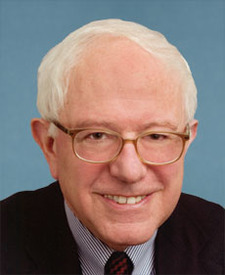
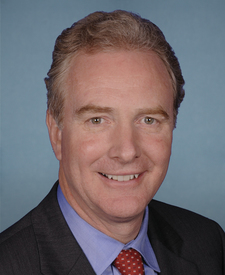
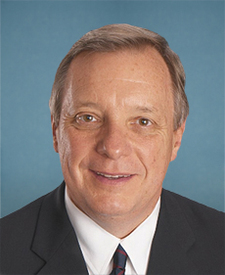
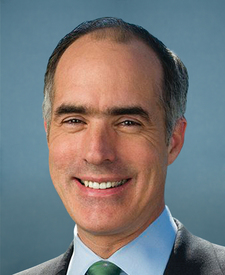
IntroducedMr. Murphy (for himself, Mr. Brown, Mr. Casey, Mr. Durbin, …
Impact analysis is available but no clear stakeholder effects identified. View clause-level analysis →
Bill Structure & Actor Mappings
Who is "The Secretary" in each section?
- "secretary_of_defense"
- → Secretary of Defense
Key Definitions
Terms defined in this bill
any agent of a program, including an individual who is employed by a program, or who performs services for a program on a contractual basis, including— school leaders
We use a combination of our own taxonomy and classification in addition to large language models to assess meaning and potential beneficiaries. High confidence means strong textual evidence. Always verify with the original bill text.
Learn more about our methodology