To prohibit and prevent seclusion, mechanical restraint, chemical restraint, and dangerous restraints that restrict breathing, and to prevent and reduce the use of physical restraint in schools, and for other purposes.
Analysis under review: This bill has generated analysis that may be too generic or incomplete. Clause-level evidence remains available below.
Summary
What This Bill Does
This bill, To prohibit and prevent seclusion, mechanical restraint, chemical restraint, and dangerous restraints that restrict breathing, and to prevent and reduce the use of physical restraint in schools, and for other purposes., changes federal law or congressional policy affecting schools, students, and education providers. The main policy domain is Education, Criminal Justice, Civil Rights.
Who Benefits and How
schools, students, and education providers may benefit from new authority, funding, eligibility, regulatory clarity, or reduced risk created by the bill.
Who Bears the Burden and How
federal implementing agencies, schools, students, and education providers may take on implementation duties, reporting obligations, compliance costs, or oversight responsibilities.
Key Provisions
- Section S1: 1. Short title; table of contents This Act may be cited as the Keeping All Students Safe Act. The table of contents for this Act is as follows:
- Section id575dbabef184406ba896f751101690b7: 2. Definitions In this Act: The term chemical restraint means a drug or medication used on a student to control behavior or restrict freedom of movement that...
- Section idb2bd32f2e8ab4542a15ad5082e0e2047: 101. Prohibition, additional requirements No student shall be subjected to unlawful seclusion or restraint by program personnel, a law enforcement officer, or...
- Section id772A53645D4049FA8DBC976FE1E5AE25: 201. Definitions In this title: The term school means an elementary school, secondary school, or special education school. The term Head Start program means a...
- Section iddadf7d8e1b924f76ba617bf0f74d4173: 202. State plan Not later than 2 years after the date of enactment of this Act and each year thereafter, each State educational agency shall submit to the...
Evidence Chain:
This summary is generated from the full bill text using AI analysis. Expand "Detailed Analysis" below for identified beneficiaries/burden bearers with clause-level evidence links.
At a Glance
What This Bill Does
This bill, To prohibit and prevent seclusion, mechanical restraint, chemical restraint, and dangerous restraints that restrict breathing, and to prevent and reduce the use of physical restraint in schools, and for other purposes., changes federal law or congressional policy affecting schools, students, and education providers.
Key Policy Areas
Education, Criminal Justice, Civil Rights
Primary Purpose
This bill, To prohibit and prevent seclusion, mechanical restraint, chemical restraint, and dangerous restraints that restrict breathing, and to prevent and reduce the use of physical restraint in schools, and for other purposes., changes federal law or congressional policy affecting schools, students, and education providers.
Policy Domains
Whole bill
Identified Gains
- schools, students, and education providers
Identified Costs
- federal implementing agencies
- schools, students, and education providers
Sponsors

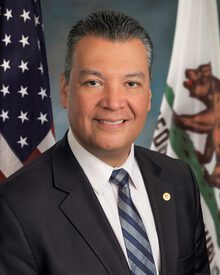
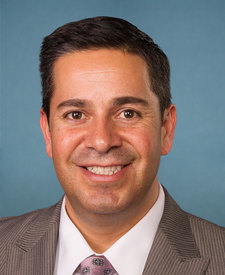
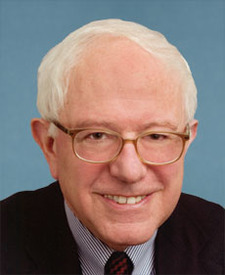
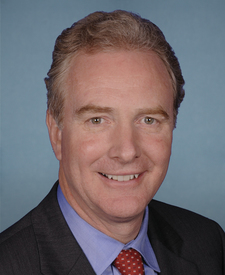
Legislative Progress
IntroducedMr. Murphy (for himself, Mr. Sanders, Mrs. Murray, Ms. Baldwin, …
Impact analysis is available but no clear stakeholder effects identified. View clause-level analysis →
Bill Structure & Actor Mappings
Who is "The Secretary" in each section?
- "secretary_of_defense"
- → Secretary of Defense
- "secretary_of_education"
- → Secretary of Education
- "secretary_of_health_and_human_services"
- → Secretary of Health and Human Services
Key Definitions
Terms defined in this bill
a behavior management technique that may involve the separation of the student from the group or classroom in a non-locked setting. The term time out does not include— seclusion
We use a combination of our own taxonomy and classification in addition to large language models to assess meaning and potential beneficiaries. High confidence means strong textual evidence. Always verify with the original bill text.
Learn more about our methodology