Dismantling Ideological Policies for Semiconductors and Science Act
Summary
What This Bill Does
The bill defines states Congressional intent that federal semiconductor and STEM workforce support should prioritize speed and talent without regard to race, sex, or ethnicity, characterizing DEI programs as discriminatory, repeals Section 104 of the CHIPS Act of 2022, which required opportunity and inclusion plans from semiconductor companies receiving federal incentives, and repeals Section 10241 requiring educational outreach and support for underrepresented communities, and reverts NIST educational outreach provisions to pre-CHIPS Act status. It relies on repeal, definition changes, reporting requirements, and compliance mandates. The main policy areas are Education, Science & Technology, Federal Contracting, and Trade.
Who Benefits and How
Semiconductor manufacturers receiving CHIPS Act incentives could face lower compliance burdens, Companies and organizations seeking federal funding could face lower compliance burdens, and Federal agencies subject to reporting requirement could face lower compliance burdens.
Who Bears the Burden and How
DEI researchers and programs at universities could lose revenue opportunities, Underrepresented students in STEM education could lose revenue opportunities, and Underrepresented workers in semiconductor industry could lose revenue opportunities.
Key Provisions
- Defines states Congressional intent that federal semiconductor and STEM workforce support should prioritize speed and talent without regard to race, sex, or ethnicity, characterizing DEI programs as discriminatory...
- Repeals Section 104 of the CHIPS Act of 2022, which required opportunity and inclusion plans from semiconductor companies receiving federal incentives.
- Repeals Section 10241 requiring educational outreach and support for underrepresented communities, and reverts NIST educational outreach provisions to pre-CHIPS Act status.
- Repeals removes DEI-related recruitment requirements from the National STEM Teacher Corps program, eliminating language that prioritized recruiting educators who advance diversity goals.
- Defines modifies microelectronics education network requirements to replace mandatory diversity requirements with optional encouragement for HBCU and Tribal College partnerships.
Evidence Chain:
This summary is generated from the full bill text using AI analysis. Expand "Detailed Analysis" below for identified beneficiaries/burden bearers with clause-level evidence links.
At a Glance
What This Bill Does
The bill defines states Congressional intent that federal semiconductor and STEM workforce support should prioritize speed and talent without regard to race, sex, or ethnicity, characterizing DEI programs as discriminatory, repeals Section 104 of the CHIPS Act of 2022, which required opportunity and inclusion plans from semiconductor companies receiving federal incentives, and repeals Section 10241 requiring educational outreach and support for underrepresented communities, and reverts NIST educational outreach provisions to pre-CHIPS Act status.
Key Policy Areas
Education, Science & Technology, Federal Contracting, Trade
Primary Purpose
The bill defines states Congressional intent that federal semiconductor and STEM workforce support should prioritize speed and talent without regard to race, sex, or ethnicity, characterizing DEI programs as discriminatory, repeals Section 104 of the CHIPS Act of 2022, which required opportunity and inclusion plans from semiconductor companies receiving federal incentives, and repeals Section 10241 requiring educational outreach and support for underrepresented communities, and reverts NIST educational outreach provisions to pre-CHIPS Act status.
Policy Domains
Section 2 - Sense of Congress
Identified Gains
- Semiconductor manufacturers receiving CHIPS Act incentives
- Companies and organizations seeking federal funding
- Federal agencies subject to reporting requirement
- Universities participating in microelectronics education network
- National STEM Teacher Corps program administrators
Identified Costs
- DEI researchers and programs at universities
- Underrepresented students in STEM education
- Underrepresented workers in semiconductor industry
- Tribal Colleges and Universities
- Historically Black Colleges and Universities
Sponsors

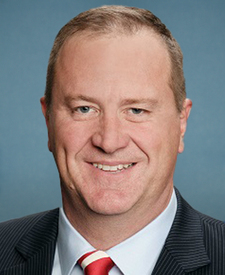
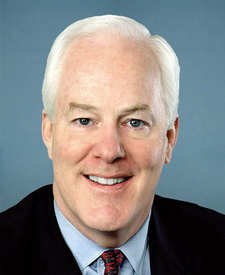

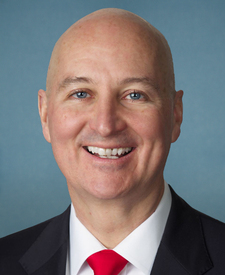
Legislative Progress
In CommitteeMr. Cotton (for himself, Mrs. Blackburn, and Mr. Ricketts) introduced …
Read twice and referred to the Committee on Health, Education, …
Introduced in Senate
Stakeholder Effects
cui bono?How this legislation distributes effects. Mention counts reflect frequency, not effect magnitude.
DEI researchers and programs at universities, Historically Black Colleges and Universities, International students in STEM programs
Positive-direction: U.S. citizens and permanent residents seeking STEM education, Universities participating in microelectronics education network
Negative-direction: DEI researchers and programs at universities, Historically Black Colleges and Universities, International students in STEM programs, Tribal Colleges and Universities, Underrepresented educators seeking STEM teaching positions, Underrepresented students in STEM education
Federal agencies subject to reporting requirement, Foundation for Energy Security and Innovation, NASA and aviation research programs
Semiconductor companies seeking federal incentives, Semiconductor manufacturers receiving CHIPS Act incentives, Underrepresented workers in semiconductor industry
Positive-direction: Semiconductor manufacturers receiving CHIPS Act incentives
Negative-direction: Underrepresented workers in semiconductor industry
Companies and organizations seeking federal funding
Workers benefiting from employer childcare policies
Bill Structure & Actor Mappings
Who is "The Secretary" in each section?
- "the_director"
- → Director of the National Science Foundation
- "head_of_agency"
- → Head of any executive branch agency
Key Definitions
Terms defined in this bill
Diversity, equity, and inclusion - programs, initiatives, and other activities that allow preferential treatment based on race, color, ethnicity, sex, or sexual orientation
Science, technology, engineering, and mathematics
An establishment in the executive branch of the Federal Government
A requirement that is not specified in Federal statute and is established by an agency
We use a combination of our own taxonomy and classification in addition to large language models to assess meaning and potential beneficiaries. High confidence means strong textual evidence. Always verify with the original bill text.
Learn more about our methodology