To provide adequate funding for water and sewer infrastructure, and for other purposes.
Summary
What This Bill Does
The bill creates mandatory annual Treasury transfer of $17.237 billion to EPA for water infrastructure grants including $14.787B for Clean Water SRF capitalization, $875M each for water quality monitoring and nonpoint source, requires EPA study on water affordability across the US, discriminatory practices by water service providers and state program administrators, civil rights violations, regional planning and public participation impacts, and expands amendments to Clean Water Act SRF expanding eligible uses to include public acquisition of private wastewater systems from willing or unwilling sellers, acquiring rate-setting authority, and restricting loans. It relies on grants, loan guarantees, procurement rules, and appropriations. The main policy areas are Energy, Environment, Housing, and Education.
Who Benefits and How
EPA could gain revenue opportunities, Unionized construction workers could gain revenue opportunities, and State revolving fund programs could gain revenue opportunities.
Who Bears the Burden and How
Private water system owners could face increased risk, Private water system operators could face increased risk, and Federal Treasury could face higher costs.
Key Provisions
- Creates mandatory annual Treasury transfer of $17.237 billion to EPA for water infrastructure grants including $14.787B for Clean Water SRF capitalization, $875M each for water quality monitoring and nonpoint source...
- Requires EPA study on water affordability across the US, discriminatory practices by water service providers and state program administrators, civil rights violations, regional planning and public participation impacts...
- Expands amendments to Clean Water Act SRF expanding eligible uses to include public acquisition of private wastewater systems from willing or unwilling sellers, acquiring rate-setting authority, and restricting loans...
- Expands amendments to Safe Drinking Water Act SRF restricting assistance to publicly owned, operated, and managed systems, enabling purchase of private water systems (willing or unwilling), expanding small system...
- Creates expansion of Safe Drinking Water Act school drinking water grant program from fountains to all infrastructure, including lead testing, and doubling of state set-aside percentage from 1.5% to 3%.
Evidence Chain:
This summary is generated from the full bill text using AI analysis. Expand "Detailed Analysis" below for identified beneficiaries/burden bearers with clause-level evidence links.
At a Glance
What This Bill Does
The bill creates mandatory annual Treasury transfer of $17.237 billion to EPA for water infrastructure grants including $14.787B for Clean Water SRF capitalization, $875M each for water quality monitoring and nonpoint source, requires EPA study on water affordability across the US, discriminatory practices by water service providers and state program administrators, civil rights violations, regional planning and public participation impacts, and expands amendments to Clean Water Act SRF expanding eligible uses to include public acquisition of private wastewater systems from willing or unwilling sellers, acquiring rate-setting authority, and restricting loans.
Key Policy Areas
Energy, Environment, Housing, Education
Primary Purpose
The bill creates mandatory annual Treasury transfer of $17.237 billion to EPA for water infrastructure grants including $14.787B for Clean Water SRF capitalization, $875M each for water quality monitoring and nonpoint source, requires EPA study on water affordability across the US, discriminatory practices by water service providers and state program administrators, civil rights violations, regional planning and public participation impacts, and expands amendments to Clean Water Act SRF expanding eligible uses to include public acquisition of private wastewater systems from willing or unwilling sellers, acquiring rate-setting authority, and restricting loans.
Policy Domains
Water Infrastructure and Affordability
Identified Gains
- EPA
- Unionized construction workers
- State revolving fund programs
- Schools
- Publicly owned water systems
Identified Costs
- Private water system owners
- Private water system operators
- Federal Treasury
- Real estate developers
- Non-union construction contractors
Sponsors

Legislative Progress
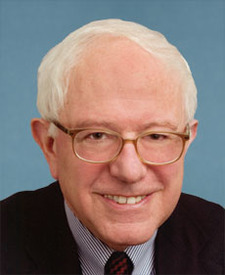
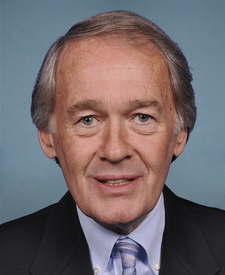
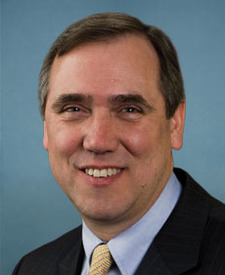
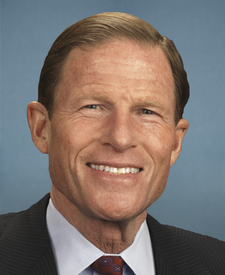
IntroducedMr. Sanders (for himself, Mr. Blumenthal, Ms. Warren, Mr. Wyden, …
Stakeholder Effects
cui bono?How this legislation distributes effects. Mention counts reflect frequency, not effect magnitude.
Private water system operators, Private water system owners, Publicly owned water systems
Positive-direction: Publicly owned water systems, Small and disadvantaged community water systems
Negative-direction: Private water system operators, Private water system owners, Water infrastructure project recipients, Water service providers with discriminatory practices
EPA, Federal Treasury, State revolving fund programs
EPA faces effects in multiple directions
Positive-direction: State revolving fund programs
Negative-direction: Federal Treasury
Non-union construction contractors, Plumbing and water infrastructure contractors
Positive-direction: Plumbing and water infrastructure contractors
Negative-direction: Non-union construction contractors
Bill Structure & Actor Mappings
Who is "The Secretary" in each section?
- "the_administrator"
- → Administrator of the Environmental Protection Agency
- "the_secretary_of_the_treasury"
- → Secretary of the Treasury
Key Definitions
Terms defined in this bill
The Administrator of the Environmental Protection Agency
We use a combination of our own taxonomy and classification in addition to large language models to assess meaning and potential beneficiaries. High confidence means strong textual evidence. Always verify with the original bill text.
Learn more about our methodology