Employee Ownership Representation Act of 2025
Summary
What This Bill Does
This bill expands the federal labor-policy infrastructure for employee ownership. It amends ERISA to increase the Advisory Council on Employee Welfare and Pension Benefit Plans from 15 members to 17 members and reserves two seats for representatives of employee ownership organizations.
The bill also requires the Secretary of Labor to establish an Office of Employee Ownership, create an Advisory Council on Employee Ownership, and designate an Advocate for Employee Ownership. Those entities are meant to coordinate policy, promote employee-ownership models such as ESOPs and cooperatives, and report on federal efforts.
Who Benefits and How
Employee ownership organizations, ESOP sponsors, worker cooperatives, employee-owned companies, and workers in employee-owned firms benefit from dedicated representation in Department of Labor advisory structures. The ERISA Advisory Council and Department of Labor gain more specialized input on how pension, benefits, and labor policy affect employee ownership.
Who Bears the Burden and How
The Department of Labor and Secretary of Labor must add advisory seats, create the Office of Employee Ownership, stand up the new advisory council, designate an Advocate for Employee Ownership, coordinate federal policy, and handle reporting duties. Existing advisory bodies must absorb additional members and employee-ownership policy work.
Key Provisions
- Expands the ERISA Advisory Council from 15 to 17 members.
- Requires two ERISA Advisory Council seats for representatives of employee ownership organizations.
- Directs the Secretary of Labor to establish an Office of Employee Ownership.
- Creates an Advisory Council on Employee Ownership.
- Establishes an Advocate for Employee Ownership to coordinate, promote, and report on employee-ownership issues.
Evidence Chain:
This summary is generated from the full bill text using AI analysis. Expand "Detailed Analysis" below for identified beneficiaries/burden bearers with clause-level evidence links.
At a Glance
What This Bill Does
Adds employee ownership representation to the ERISA Advisory Council and creates Department of Labor structures, including an Office of Employee Ownership, an Advisory Council on Employee Ownership, and an Advocate for Employee Ownership.
Key Policy Areas
Labor, Retirement, Small Business
Primary Purpose
Adds employee ownership representation to the ERISA Advisory Council and creates Department of Labor structures, including an Office of Employee Ownership, an Advisory Council on Employee Ownership, and an Advocate for Employee Ownership.
Policy Domains
Whole bill
Identified Gains
- Employee ownership organizations
- ESOP sponsors
- Worker cooperatives
- Employee-owned companies
- Workers in employee-owned firms
- ERISA Advisory Council
Identified Costs
- Department of Labor
- Secretary of Labor
- ERISA Advisory Council
- Advisory Council on Employee Ownership
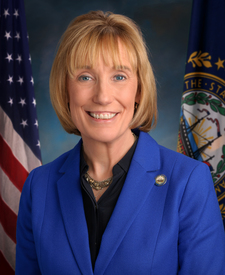
Sponsors


Legislative Progress
Passed SenateHeld at the desk.
Received in the House.
Message on Senate action sent to the House.
Passed Senate with an amendment by Unanimous Consent. (consideration: CR …
Passed/agreed to in Senate: Passed Senate with an amendment by …
Reported by Mr. Cassidy, with an amendment
Passed Senate (inferred from es version)
Placed on Senate Legislative Calendar under General Orders. Calendar No. …
Committee on Health, Education, Labor, and Pensions. Reported by Senator …
Committee on Health, Education, Labor, and Pensions. Ordered to be …
Stakeholder Effects
cui bono?How this legislation distributes effects. Mention counts reflect frequency, not effect magnitude.
Employee ownership advocates and organizations, Employee ownership associations and advocates, Employee ownership organizations
ESOP service providers, ESOP service providers and consultants
Bill Structure & Actor Mappings
Who is "The Secretary" in each section?
- "secretary"
- → Secretary or agency head named in the operative section
- "administrator"
- → Administrator named in the operative section
We use a combination of our own taxonomy and classification in addition to large language models to assess meaning and potential beneficiaries. High confidence means strong textual evidence. Always verify with the original bill text.
Learn more about our methodology